

Views: 0 Author: Site Editor Publish Time: 2026-11-12 Origin: Site


Even the most nutritionally balanced pet food will fail in the market if pets simply refuse to eat it. This is a harsh reality on the production floor that every manufacturer must confront. Achieving consistent, high-level palatability is not merely about selecting a pleasant flavor profile; rather, it relies entirely on the precise application and control of taste enhancers during the complex manufacturing process. Poor application inevitably leads to uneven coating, severe flavor degradation, and ultimately, product rejection by discerning pets.
Mastering the application of a high-quality pet food palatant ensures consistent flavor, aroma, and texture across every single production batch. This comprehensive guide will explore the underlying science of sensory enhancers, compare liquid and powder formats, detail advanced application techniques for both wet and dry foods, and provide actionable quality control strategies for modern manufacturers aiming to elevate their product lines.
Key Takeaways
Precision is Key: Effective application control dictates the final aroma, texture, and taste, directly impacting the animal's immediate acceptance and long-term feeding enthusiasm.
Format Matters: Choosing between a liquid and powder format depends heavily on the base kibble matrix, moisture targets, and the desired sensory profile.
Species-Specific Engineering: Cats and dogs possess vastly different olfactory and gustatory preferences, requiring highly tailored formulations.
Application Techniques: Mastering vacuum infusion, spray coating, and strict temperature control prevents flavor degradation and guarantees uniform distribution.
Data-Driven Testing: Utilizing industry-standard methodologies, such as the two-bowl test, is absolutely essential for validating the success of your factory-level application protocols.
In modern manufacturing, sensory enhancers are complex, scientifically engineered formulations composed of proteins, yeasts, fats, and other natural or synthetic compounds. They are meticulously designed to target and stimulate an animal's specific sensory receptors, triggering a positive and sustained feeding response. Understanding the science of palatability requires looking behind the scenes at how animals process their meals. Dogs, in particular, "eat with their noses" first. The olfactory bulb in a canine is highly developed, meaning the initial aroma released upon opening the bag is the primary driver of food acceptance.
Currently, the pet food industry is witnessing a significant shift toward premiumization and transparent, human-grade ingredient sourcing. As pet parents demand specialized diets, such as high-protein, grain-free, or novel protein formulations, the complexity of the base kibble matrix has reached new heights. Industry analysis suggests that this premium trend forces manufacturers to adopt sophisticated application controls to mask bitter off-notes associated with plant proteins or fortified vitamins. Top suppliers now utilize advanced enzymatic hydrolysis processes to break down raw ingredients into highly palatable peptides. However, these formulations are incredibly delicate. A premium sensory enhancer applied at the wrong temperature or an incorrect dosage will lose its structural integrity. Strict operational control acts as the critical missing link, ensuring that active flavor compounds survive the harsh processing environment and remain stable on the retail shelf.
Selecting the correct format for your sensory enhancer is a fundamental operational decision that dictates both the manufacturing equipment required and the final sensory experience delivered to the pet. Industry best practices often dictate a layered approach, but understanding the distinct role of each format is crucial.
Liquids are typically applied first in the standard coating drum. They serve a dual purpose: providing deep aroma penetration into the porous kibble matrix and acting as a sticky, fat-based binding layer for subsequent applications. For example, utilizing a robust liquid dog food palatant is highly effective for delivering the meaty, savory aromas that canines naturally seek out, closely mimicking the scent of fresh animal proteins.
In terms of finishing, powder formats are usually applied immediately after the liquid layer has become tacky. While liquids drive the initial olfactory appeal, powders are designed to provide an immediate, intense burst of flavor upon direct contact with the tongue. This rapid flavor release is particularly critical for felines, who evaluate their meals largely based on initial mouthfeel and immediate gustatory satisfaction.
To achieve maximum market acceptance, top-tier manufacturers strongly advocate for a synergistic co-application strategy. By utilizing both formats sequentially, facilities can maximize both the initial aroma driven by the liquid coating and the sustained, satisfying taste delivered by the powder layer, ensuring a comprehensive sensory stimulation for the pet.
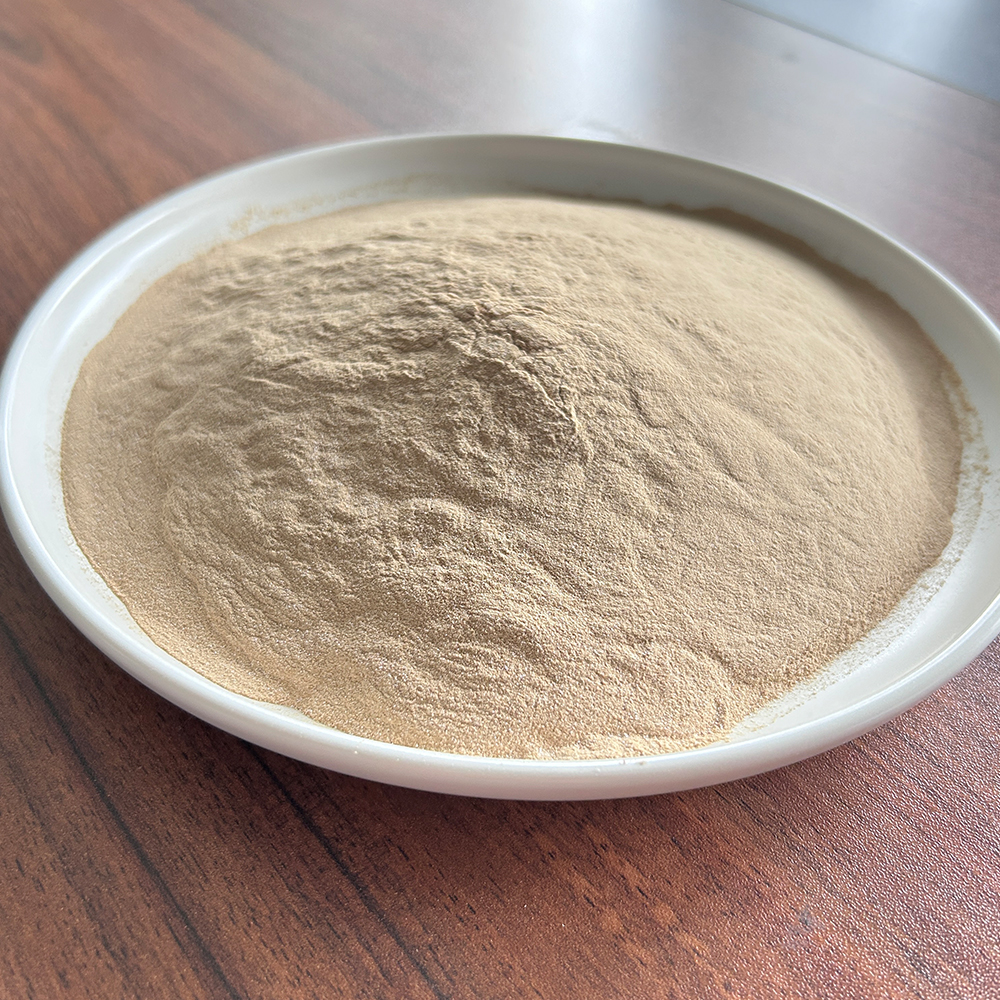
Flavor development is far from a one-size-fits-all endeavor. The research and development process must account for the vast evolutionary and biological differences between cats and dogs, which directly dictate how enhancers should be applied on the factory floor.
Because dogs are scavengers by evolutionary design, they evaluate their meals primarily through olfaction. They possess a strong biological preference for animal fats, meaty aromas, and a slight sweetness. Consequently, application control for canine diets focuses heavily on maximizing external aroma release. The coating process must ensure that volatile aromatic compounds are trapped securely on the outer layer of the kibble, ready to bloom the moment the consumer opens the packaging.
In contrast, cats are obligate carnivores with highly specialized and notoriously finicky sensory mechanisms. Biologically, they lack sweet taste receptors entirely, yet they are hyper-sensitive to bitterness, umami—often derived from specific amino acids—and texture. Picture a highly sensitive feline approaching a bowl; they are intensely critical of how the food feels in their mouth. Therefore, when applying a powder cat food palatant, strict moisture control within the factory's coating drum is absolutely mandatory. If the ambient humidity is too high, the powder will clump instantly, creating an uneven, gritty texture that cats will readily reject, regardless of how appealing the flavor profile might be.
Applying taste enhancers to dry kibble requires rigorous engineering, highly calibrated machinery, and continuous real-time monitoring to ensure consistent palatability across massive, multi-ton production runs.
Liquid enhancers are notoriously sensitive to temperature fluctuations. Maintaining the ideal temperature range is critical for managing viscosity. Imagine a cold morning on the factory floor; if the transfer pipes lack proper heat tracing, the fats and liquids thicken rapidly. This viscosity spike causes the spray nozzles to spit uneven globs rather than a fine, atomized mist, leading to severe coating inconsistencies. Insulated, agitated, and temperature-controlled holding tanks are standard requirements to prevent heat-sensitive flavor molecules from degrading while keeping the liquid flowing smoothly.
Uniform distribution is achieved through advanced spray coating systems. Spinning disc applicators use centrifugal force to atomize the liquid into a fine mist, creating an even curtain across the tumbling kibble bed. Alternatively, hydraulic or air-atomizing spray nozzles can be utilized. Calibrating this equipment—meticulously adjusting spray angles, pressure, and flow rates—ensures that every individual piece receives a uniform dosage.
Furthermore, for premium and high-fat diets, vacuum infusion technology represents the absolute pinnacle of application control. By drawing a vacuum inside the coating chamber, internal air is forcefully removed from the kibble's porous core. When the liquid fats and enhancers are introduced and normal atmospheric pressure is restored, the liquids are driven deep into the matrix. This sophisticated technique protects delicate flavor compounds from rapid oxidation, extends shelf life, and significantly reduces greasy residue on the product's surface.
Wet food applications—spanning cans, pouches, and pates—present an entirely different set of operational challenges compared to dry kibble manufacturing. Because wet food already possesses a high moisture content, typically ranging from 70% to 85%, external surface coating methods are both biologically and mechanically inapplicable.
Instead, the flavor enhancement must be integrated uniformly throughout the product matrix itself. A specialized wet food liquid palatant is incorporated directly during the initial blending phase. It is mixed seamlessly into the gravy, jelly, or meat slurry. Application control in this specific context relies heavily on precise mass flow meters and automated volumetric dosing systems to ensure the flavor is distributed homogeneously throughout the entire batch before it is pumped toward the packaging containers.
The most formidable hurdle in wet food production is surviving the retort process. Canned and pouched foods undergo a rigorous high-heat sterilization phase that frequently exceeds 121°C to eliminate pathogens. Application control here means calculating the exact dosage required prior to thermal processing, utilizing enhancers specifically engineered for extreme thermal stability. The intended flavor profile must survive this violent thermal shock without degrading into bitter, unappealing off-notes.
Manufacturers cannot rely on guesswork; they depend on empirical data and rigorous testing methodologies to measure the success of their application control protocols, ensuring the final product will perform reliably in the highly competitive consumer market.
The two-bowl test, often referred to as the versus test, remains the industry gold standard for measuring palatability. A panel of animals is presented with two different bowls of food simultaneously. Researchers meticulously measure two primary metrics: First Choice, which directly indicates the product's immediate aroma appeal and the success of the liquid application, and Total Intake, which demonstrates sustained taste appeal, validating the effectiveness of the powder layer over a set feeding period.
Additionally, monadic testing involves presenting the pet with only a single bowl. This method is highly effective for measuring overall acceptance, feeding enthusiasm, and normal behavior in a non-competitive setting, verifying that a newly implemented application protocol has not negatively disrupted the animal's routine.
Data-driven testing must be aggressively supported by strict factory-level quality control. Production managers must implement routine daily calibration of spray nozzles and mass flow meters. Continuously monitoring batch weights before and after the coating phase verifies the correct inclusion rate, while analytical testing of the final product's moisture and fat content guarantees consistent quality from batch to batch.
Even with highly sophisticated, automated equipment, application deviations can and will occur. Implementing a rapid troubleshooting protocol is essential for maintaining production efficiency and safeguarding product integrity.
A frequent issue is uneven coating, commonly referred to on the floor as the "salt and pepper" effect, where some kibbles are heavily drenched while others remain completely bare. This is typically caused by clogged spray nozzles, incorrect spray angles, or an inappropriate drum rotation speed that prevents the kibble bed from tumbling properly. The immediate solution involves implementing a strict routine maintenance schedule to clean nozzles and adjusting the drum RPM to ensure a continuous, rolling curtain of kibble.
Excessive dusting and powder loss present another significant headache, characterized by high levels of airborne powder in the factory and poor flavor delivery to the pet. This usually stems from applying the powder before the liquid fat layer has properly settled, or utilizing an insufficient fat binder. Optimizing the timing sequence within the coating drum—allowing a brief residence time for the liquid to become tacky before introducing the powder—will resolve this inefficiency.
Finally, flavor fading over time can plague products that initially perform well in palatability tests but fail after several months on the shelf. This degradation is often due to the oxidation of fats, poor packaging barriers, or applying liquids at excessively high temperatures, which causes volatile aromatic compounds to flash off during production. Verifying that application temperatures remain strictly within the supplier's recommended parameters and utilizing vacuum infusion for high-fat diets will preserve the flavor profile throughout the product's intended lifespan.
Ultimately, a premium sensory enhancer is only as effective as its application on the production line. Controlling temperature, ensuring precise equipment calibration, and strategically selecting between liquid and powder formats are the operational pillars that separate top-tier pet food brands from the rest of the market.
Understanding the unique, biologically driven preferences of cats and dogs, combined with rigorous, data-driven quality assurance testing, is what guarantees consistent market success and brand loyalty. Manufacturers should continuously evaluate their current application systems to identify areas for mechanical or procedural improvement.
By upgrading factory protocols and exploring scientifically formulated solutions, such as a highly refined liquid cat food palatant, producers can significantly elevate their product lines, ensuring that every bag opened delivers the exact sensory experience the animal craves.
While the exact dosage varies heavily depending on the specific formula, the quality of the base kibble, and the targeted product tier, liquid enhancers are typically applied at a rate of 1% to 3% of the total kibble weight. Powder formats generally range from 1% to 2%. It is always recommended to consult the manufacturer's specific technical data sheet and conduct pilot batch testing to determine the precise dosing instructions for your unique matrix.
Using a canine-specific enhancer on a feline diet is highly discouraged. Cats and dogs possess entirely different dietary requirements and sensory biological makeups. Cats have a profound sensitivity to certain amino acids, a high demand for umami, and a complete lack of sweet taste receptors. A dedicated feline enhancer is formulated specifically to align with this unique biology and will yield vastly superior acceptance rates compared to a repurposed canine formula.
Powder clumping is almost always caused by excessive ambient moisture in the application environment or by introducing the powder into the drum before the preceding liquid fat layer has sufficiently absorbed into the kibble. To prevent this, ensure your coating drum is properly vented to manage humidity, and meticulously optimize your timing sequences so the powder strikes the kibble exactly when the surface is tacky, rather than overly wet.
A wet food liquid enhancer is a specialized formulation designed to be mixed directly into the meat slurry, jelly, or gravy of canned and pouched foods during the initial blending stage. Unlike dry food enhancers that are sprayed onto the exterior surface, wet food variants must be engineered with extreme thermal stability to survive the high-heat, high-pressure retort sterilization process without losing their intended flavor profile or developing bitter off-notes.
Temperature plays a critical role in application success. If liquid enhancers are stored or applied at temperatures that are too cold, their viscosity increases dramatically, which leads to clogged application nozzles, strained pumps, and uneven spraying across the kibble bed. Conversely, if the liquids are heated too aggressively, the delicate, volatile aroma compounds can flash off and evaporate before the product is even packaged, severely diminishing the food's final olfactory appeal to the animal.


 phoebe@tdtbio.com
 +86-18972222769
 Haowangzhuang Town, Wucheng County, Dezhou City, Shandong Province, China