

Views: 0 Author: Site Editor Publish Time: 2026-11-11 Origin: Site


Pet food manufacturers face a frustrating dilemma on the production floor. Modern pets crave high-impact, savory flavors. Yet, adding moisture-heavy flavorings easily destroys the satisfying crunch of dry kibble. Achieving a high palatability score is non-negotiable for premium diets. If a kibble becomes too soggy or crumbly during the flavoring process, it loses its mechanical dental benefits. Shelf life plummets. Worse still, compromised texture often leads to outright rejection by the pet. This leaves owners frustrated with a bag full of unappetizing dust.
The solution to this formulation hurdle lies in the strategic use of a high-quality pet food palatant. By utilizing the correct combination of liquid and dry formats alongside advanced coating technologies, production teams can achieve maximum palatability. Structural integrity remains intact. This engineering guide outlines the exact methods, equipment calibrations, and ingredient choices expert formulators use to add taste enhancers seamlessly to dry pet food.
Texture is Crucial: Maintaining the structural crunch of kibble is essential for long-term shelf stability and a pet's mechanical dental health. Excess moisture from flavorings must be strictly avoided to prevent matrix collapse.
Application Methods Matter: Advanced industrial techniques such as vacuum infusion, precision spray coating, and dry tumbling are the industry standards for applying flavor enhancers without softening extruded starches.
Layering is the Secret: Applying a hydrophobic fat layer before a liquid or powder palatant seals the kibble surface. This prevents moisture from penetrating the core and degrading the crunch.
Format Specificity: Flavor enhancers designed for dry pet food differ significantly from those used in canned diets. Utilizing wet food formulations on dry kibble introduces excessive water activity, risking rapid spoilage.
Recent market data highlights a massive shift toward sensory-optimized dry diets across the global pet care sector. Pet humanization is accelerating rapidly. Owners now expect dry kibble to deliver the intense, meaty aromas traditionally reserved for premium canned diets. How do manufacturers meet this demand without undertaking the costly process of reformulating their entire base recipe?
The industry is pivoting rapidly toward advanced topical coating technologies. Instead of altering the core extrusion matrix, formulators apply precision-engineered flavors post-extrusion. This strategic approach satisfies consumer expectations for intense aroma while strictly maintaining the structural rigidity required for packaging, transport, and dental health. Consequently, the demand for highly specialized, low-moisture flavor carriers has never been higher.
Kibble texture is a meticulously engineered parameter, not merely a byproduct of manufacturing. Dogs and cats rely heavily on physical crunch for sensory satisfaction. Tactile feedback during mastication triggers positive neurological responses, making the meal far more rewarding. Furthermore, this crunch provides a vital mechanical function. The friction generated when teeth break through the rigid matrix scrapes away plaque, contributing significantly to feline and canine dental hygiene.
Introducing the wrong liquid flavor acts as a plasticizer. It disrupts the glassy state of extruded starches, causing immediate softening. More critically, excessive moisture raises the water activity, or Aw, of the kibble. If water activity exceeds the 0.65 threshold, the environment becomes highly susceptible to mold growth and rapid lipid oxidation. The result is a stale, rancid odor that ruins the product.
To solve the texture dilemma, formulators rely on highly specialized chemical matrices. A commercial flavor enhancer blends hydrolyzed proteins, specific amino acids, specialized yeasts, and animal fats. These formulations are scientifically designed to stimulate a pet's olfactory and gustatory receptors. They replicate the umami profiles of raw meat in a shelf-stable format.
The intense heat and pressure of the extrusion process easily volatilize delicate flavor compounds. Therefore, enhancers are almost exclusively applied topically after the kibble has been extruded, baked, and dried. Post-processing application makes moisture management critical. The coating must adhere uniformly to the exterior surface, delivering an immediate aromatic impact without transferring unwanted water into the dry core.
Selecting the correct physical format dictates the success of the coating process. Engineers must match the physical properties of the enhancer to the porosity of the base diet.
Format Type | Primary Mechanism | Moisture Impact | Best Application Scenario | Recommended Solution |
|---|---|---|---|---|
Liquid (Canine) | Rapid aroma release via lipid carriers | Low to Moderate | High-aroma dog diets requiring even surface coating | T-DL1 Series |
Powder (Feline) | Static adhesion and Maillard reaction compounds | Zero | Ultra-crunchy cat diets requiring long-lasting flavor | T-CP1 Series |
Volatile Liquid (Feline) | Instant olfactory stimulation upon bag opening | Low (requires strict dosing) | Premium dual-coated cat diets | T-CL1 Series |
Liquid formulations are highly effective for canine diets due to their rapid aroma release. Dogs possess highly developed olfactory systems. Their initial decision to consume food is heavily driven by smell. When engineering a diet with a liquid dog food palatant, manufacturers utilize solutions like the T-DL1 series. These are engineered with strictly controlled moisture levels and specific viscosities. Instead of relying on water, premium options utilize lipid carriers or humectants. This ensures the liquid coats the exterior evenly rather than soaking through the porous structure and ruining the rigid crunch.
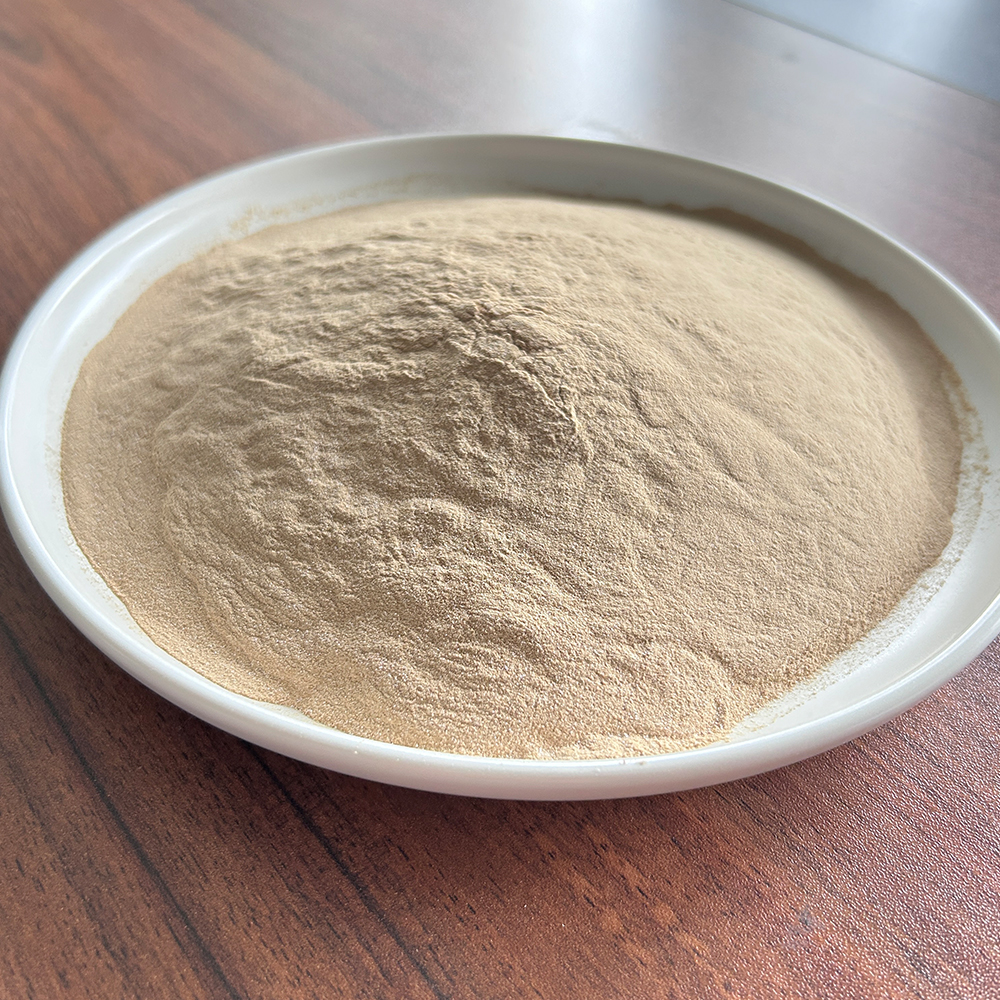
While liquids offer immediate aroma, dry powders provide unique advantages for feline diets. A high-quality powder cat food palatant, such as the T-CP1 formulation, consists of spray-dried hydrolyzed proteins and concentrated Maillard reaction products. The primary engineering advantage is that it adds absolute zero moisture to the kibble. Powders rely on static electricity and residual surface fats to adhere tightly. This makes them the perfect solution for maintaining a highly rigid texture while delivering a concentrated flavor punch.
Beyond ingredient selection, the mechanical application process dictates final product quality. Advanced industrial techniques are required to apply flavor without softening the extruded matrix.
The fat-coating barrier method remains the prevailing industry standard for texture protection. After the kibble is dried and cooled, it enters a coating drum. Precision nozzles spray a layer of warm liquid fat, such as chicken fat or beef tallow. As this fat cools on the surface, it solidifies into a hydrophobic, water-repelling barrier. When the flavor enhancer is subsequently applied, this waterproof seal prevents moisture from penetrating the delicate starch core. The flavor sits securely on the surface, ready to stimulate the palate.
For ultra-premium diets requiring high inclusion rates of fats and flavors, vacuum infusion is the preferred engineering solution. Dry kibble is placed inside a specialized sealed vessel. Extracted air creates a vacuum, pulling air out of the microscopic pores within the kibble structure. Liquid fats and flavors are then sprayed into the vessel. When normal atmospheric pressure is restored, liquids are forced deep into the honeycomb-like interior. This method profoundly enhances flavor from the inside out without leaving the exterior soggy or structurally compromised.
Dry dusting is the safest mechanical method for absolute texture preservation. In a continuous coating drum, kibble is gently tumbled while powder is metered in. This process relies on the natural friction of the tumbling action and surface lipids to bind the fine powder. Because no liquids are introduced during this specific phase, the structural integrity and original water activity remain entirely unaffected.
Feline diets require an even more nuanced approach due to strict textural preferences. Cats are strict carnivores with distinct amino acid requirements and high sensitivity to bitter notes. Furthermore, felines generally reject foods that are sticky, overly soft, or crumbly. Maintaining a sharp, clean crunch is non-negotiable for product acceptance.
To satisfy the demanding feline palate, formulators often deploy a sophisticated dual-coating strategy. A specialized liquid cat food palatant, like the T-CL1 series, is engineered to be highly volatile at room temperature. The moment the bag opens, strong meaty aromas release into the air, triggering the feeding response. To prevent softening, equipment applies this liquid in extremely low, precise dosages over a robust fat barrier. Frequently, a top-coat of dry powder immediately follows this liquid layer. This multidimensional layering creates an irresistible flavor burst while strictly preserving the tactile crunch.
A common question among emerging formulators is whether they can streamline their supply chain by using the same flavor enhancers for both canned and dry lines. The empirical answer is no. Cross-application frequently leads to catastrophic product failure.
Flavor enhancers are engineered specifically for their intended environment. A wet food liquid palatant, such as the T-UW01 series, is designed to thrive in high-moisture matrices often exceeding 75 percent water. These are built to withstand the extreme heat and pressure of the retort sterilization process. They rely on surrounding gravy or jelly to act as the carrier for flavor compounds.
Applying these high-moisture formulations directly onto dry kibble is highly detrimental. These liquids contain far too much free water. When sprayed onto dry extrusion, the water rapidly migrates into the starch matrix. The crunch is immediately destroyed. This sudden spike in localized moisture drastically raises the water activity, guaranteeing microbial spoilage within the bag. Manufacturers must procure enhancers explicitly engineered with low-moisture, lipid-based carriers designed for dry extrusion coating.
To guarantee that coating applications have not compromised the food, rigorous quality control is required on the production floor. Engineers rely on specific metrics to validate the process.
The most critical metric is water activity, which measures the amount of free, unbound water available for microbial growth. Technicians utilize chilled-mirror dew point instruments to test the kibble post-coating. To ensure the kibble remains crunchy and safe from mold, the reading must consistently register below the critical threshold of 0.65.
To verify structural integrity remains intact after coating, brands utilize the Kibble Durability Index. A sample of coated kibble is placed into a specialized pneumatic testing device that simulates the physical stress of packaging and transportation. The kibble is tumbled and subjected to air pressure. Afterward, the amount of dust and breakage is weighed. A high percentage confirms the application process has not weakened the structure.
Finally, empirical palatability trials are conducted using standard two-bowl testing protocols. In controlled kennel environments, pets are presented with a control diet and the newly coated diet. Technicians measure the first-choice preference and total consumption ratio. These trials ensure the product effectively stimulates appetite without rejection due to unexpected textural changes.
For brands looking to elevate their product lines, selecting the right B2B supplier is as critical as the ingredients themselves. A premium supplier acts as a technical partner to ensure your manufacturing process remains efficient and your product remains structurally sound.
Strict criteria should be applied during vendor evaluation. Do they possess the R&D capabilities to engineer custom flavor profiles matching your specific base matrix? Can they reliably supply both liquid and powder systems to support advanced dual-coating applications? Do they offer engineering support to calibrate spray nozzles and drum tumbling speeds? Precision engineering is required to optimize flavor without sacrificing signature crunch.
Elevating sensory appeal does not mean sacrificing the satisfying crunch animals require. The intersection of intense flavor and perfect texture is entirely achievable through smart formulation and precise manufacturing techniques.
By understanding the delicate interplay between hydrophobic fat barriers, specialized liquid enhancers, and dry powder coatings, manufacturers can create highly palatable diets that stand out. Protecting the extrusion matrix while delivering a burst of savory aroma is the hallmark of a premium brand.
Ready to upgrade your product line without compromising texture? Explore the advanced formulations at TDT-bio. Whether your production line requires the precise moisture control of the T-DL1 liquid series or the high-impact static adhesion of the T-CP1 powder series, visit https://www.tdt-bio.com to discover the exact solutions that fit your manufacturing parameters. Request a targeted product sample today and experience the perfect balance of flavor and crunch.
The most common and effective method in commercial manufacturing is spray coating the dried kibble with a protective layer of warm fat. This step is followed immediately by spraying a liquid formulation or dusting a powder formulation while the kibble is in a tumbling drum. This dual-step process ensures even flavor distribution without allowing moisture to penetrate the core.
Not if engineered and applied correctly. High-quality liquid formulations are designed with specific viscosities and are applied in precise, low-volume dosages. When sprayed over a proper fat barrier, the liquid is prevented from soaking into the porous kibble core, thereby maintaining the sharp crunch that felines require.
Dry extrusion enhancers are highly concentrated, low-moisture solutions designed to adhere to lipid-coated surfaces without raising the overall water activity of the food. Conversely, wet food formulations are designed with higher moisture content to blend seamlessly into gravies and are built to withstand the extreme high heat and pressure of the canning sterilization process.
Yes, and it is highly recommended for premium diets. Many pet food brands utilize a dual-coating method. This involves applying a liquid layer first to establish deep, savory base notes, and finishing with a powder top-coat to create an immediate, intense aromatic burst the moment the consumer opens the bag.
When applied properly with correct moisture management, taste enhancers do not negatively impact shelf life. In fact, many premium formulations contain natural antioxidants like mixed tocopherols or rosemary extract. These actively help stabilize the surface fats on the kibble, preserving freshness and preventing lipid rancidity over time.
Kibble porosity dictates how deeply liquids can penetrate the starch matrix. Highly porous kibble absorbs liquids rapidly, which can lead to a soggy texture if moisture is not strictly controlled. Engineers must calibrate the viscosity of the flavor enhancer and utilize fat barriers to ensure the flavor remains on the exterior surface rather than flooding the internal pores.
The ideal application temperature for fat coatings typically ranges between 40 to 60 degrees Celsius, depending on the specific lipid source used. Heating the fat ensures it achieves the correct viscosity for uniform spray distribution through the nozzles. As it contacts the cooler kibble surface, it rapidly solidifies to form the necessary hydrophobic barrier.


 phoebe@tdtbio.com
 +86-18972222769
 Haowangzhuang Town, Wucheng County, Dezhou City, Shandong Province, China