

Views: 0 Author: Site Editor Publish Time: 2026-11-02 Origin: Site


Producing nutritious pet food is a complex engineering endeavor. Nutritional adequacy is only half the battle. If pets refuse to eat the kibble, the entire product line fails. A high-quality pet food palatant acts as a specialized flavor enhancer applied to the exterior of the diet. It serves as the primary driver of animal acceptance and long-term brand loyalty. Formulators often obsess over chemical flavor profiles. Yet, the physical properties of dry coatings are frequently overlooked. Specifically, particle size dictates success or failure on the production line.
Incorrectly specified sizes inevitably lead to poor coating and expensive factory waste through dusting. They also cause inconsistent flavor delivery. This comprehensive guide explores the science of specifying the perfect particle size. We will compare dry formats to liquid alternatives and outline actionable best practices for factory application to ensure maximum palatability.
Particle Size Drives Adhesion: Specifying the correct micron or mesh size prevents dry coatings from dislodging from the kibble surface. This precision reduces expensive factory waste and minimizes dust accumulation at the bottom of commercial packaging.
Surface Area Equals Flavor Release: Finer particles inherently offer a larger surface area-to-volume ratio. This physical trait results in a quicker, more intense flavor release upon contact with the animal's saliva.
Synergy in Application: While dry coatings are highly effective for dry extruded kibble, combining them with liquid formats can create a highly complex, multidimensional flavor profile.
Standardization Matters for Efficiency: The ideal dry coating typically falls within the 150 to 250-micron range, translating to roughly 60 to 100 mesh. This specific range balances factory flowability requirements with optimal kibble adhesion capabilities.
The pet food sector is undergoing a rapid premiumization phase. Recent market analyses highlight a definitive shift toward human-grade sensory experiences in companion animal diets. This trend forces manufacturers to adopt ultra-fast extrusion processes and highly complex, multi-layered coating technologies. As production line speeds increase, the tolerance for physical ingredient variations shrinks drastically. Modern facilities can no longer rely on loosely defined powder specifications. Precision milling is now a mandatory requirement to maintain continuous throughput and avoid catastrophic batch rejections.
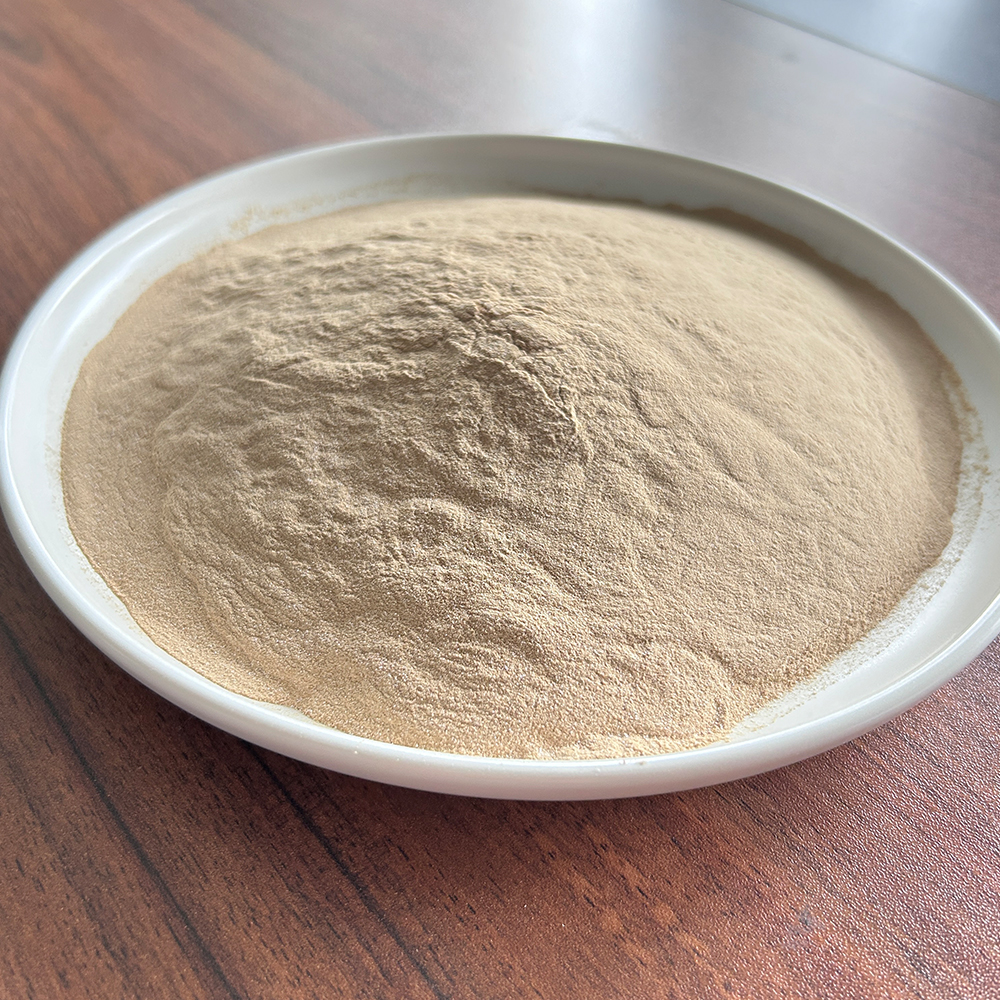
In the highly competitive pet food industry, nutritional adequacy merely establishes the baseline for product viability. The ultimate determinant of market success is animal acceptance. This acceptance is heavily influenced by the application of specialized flavor enhancers. These meticulously formulated ingredients often comprise hydrolyzed proteins, specialized yeasts, animal fats, or organic acids. They are applied directly to the exterior of extruded pet food. Their primary function is to elevate the aroma, taste, and overall mouthfeel of the diet.
The dynamics between a dry coating and the kibble substrate are governed by complex physical interactions. Extruded kibble emerges from the dryer with a porous, uneven surface. When a powder is introduced, its physical properties dictate how well it will integrate with this structure. Unlike liquid applications that absorb into the matrix, powders rely entirely on surface adhesion. This adhesion is typically facilitated by a layer of applied fat. From a bottom-of-funnel business perspective, product developers and procurement teams must prioritize these physical specifications. Choosing a premium, consistently milled product from a reliable supplier directly impacts manufacturing efficiency. It translates to fewer product rejections due to visual inconsistencies and significantly reduced raw material waste.
The specification of particle size is not merely a manufacturing technicality. It acts as a fundamental driver of product performance, sensory delivery, and operational efficiency. Overlooking this parameter can compromise the efficacy of even the most biochemically advanced flavor formulations.
The fundamental science of sensory perception in companion animals relies heavily on immediate aromatic and gustatory feedback. Smaller particles possess a significantly higher surface-to-volume ratio compared to larger granules. When a pet consumes the kibble, these fine particles undergo rapid dissolution in the saliva.
This rapid breakdown creates an immediate flavor burst on the animal's tongue and olfactory receptors. For notoriously finicky eaters like felines, this instantaneous sensory gratification is often the deciding factor between acceptance and rejection. A finely milled powder cat food palatant, such as the precision-engineered T-CP1 series, ensures that volatile aromatic compounds are released immediately upon consumption. This mechanism effectively bypasses the animal's natural dietary neophobia.
While the primary consumer is the animal, the purchaser is the human pet owner. The visual consistency of the kibble plays a crucial role in the owner's perception of product quality and safety. Uniform distribution of fine powders enhances the visual consistency of the final product.
When particle sizes are optimally specified, the powder coats the kibble evenly. This creates a homogeneous color profile. In contrast, if the particles are too large, the kibble may appear speckled, dusty, or unevenly coated. This visual irregularity can lead consumers to mistakenly believe the product is contaminated, stale, or of inferior manufacturing quality.
Specifying particulate size requires a delicate balance to accommodate factory operational constraints. The rheological properties of powders dictate how they behave within manufacturing equipment. If particles are specified to be excessively fine, such as those below 50 microns, the material becomes highly cohesive. This cohesion can lead to bridging, ratholing, or severe caking within factory hoppers and silos. Ultimately, this disrupts automated dosing systems.
On the flip side, excessively large particles may flow too freely but fail to distribute evenly through continuous coating augers or rotary drums. A scientifically determined particle size ensures that the powder maintains adequate flowability for consistent factory handling while remaining fine enough to achieve optimal surface coating.
Achieving optimal adhesion between the dry kibble surface and the flavor coating is a primary objective in the manufacturing phase. Failure to optimize this interaction results in significant financial and operational inefficiencies.
Dusting refers to the phenomenon where the powder fails to adhere to the kibble during production or packaging. It subsequently settles at the bottom of the bag as loose residue. This predominantly occurs when the specified particle size is too large or heavy to be sustained by the surface tension of the fat coating.
Dusting represents a dual failure. First, it constitutes a direct financial loss. Expensive material is wasted rather than consumed by the pet. Second, it diminishes the actual palatability of the kibble. The intended dosage of flavor enhancer is no longer physically attached to the food matrix.
The standard manufacturing protocol for dry pet food involves a sequential coating process. Extruded and dried kibble is first enrobed with a liquid fat layer. Common choices include poultry fat, beef tallow, or specialized vegetable oils. This layer serves a dual purpose. It provides essential dietary energy and acts as a biological glue for the subsequent application of the powder.
The viscosity and application temperature of this fat must be precisely calibrated. It needs to interact seamlessly with the specific particle size of the powder. If the fat is too thin or applied too sparsely, it simply cannot generate sufficient surface tension to hold larger powder particles.
For successful adhesion, the physical dimensions of the powder particles must be compatible with the microscopic topography of the kibble. Extruded kibble features microscopic crevices, pores, and structural irregularities.
The optimal particle size must be small enough to become physically embedded within these crevices. It must be thoroughly trapped within the liquid fat matrix before the fat cools and solidifies. Particles exceeding the diameter of these surface pores will merely rest on the exterior surface. This superficial resting makes them highly susceptible to mechanical abrasion during packaging and transport.
To ensure consistency across multiple production batches and facilities, product developers must establish rigorous, quantifiable specifications for their suppliers. Understanding the terminology and standard industry metrics is essential for drafting accurate procurement contracts.
Mesh Size | Micron Range | Adhesion Quality | Factory Flowability | Best Application Scenario |
|---|---|---|---|---|
Below 40 Mesh | Over 400 Microns | Poor | Excellent | Avoid. Leads to severe dusting and speckled kibble. |
40 to 60 Mesh | 250 to 400 Microns | Fair | Good | Highly porous, oversized kibble breeds. |
60 to 100 Mesh | 150 to 250 Microns | Excellent | Optimal | Standard industry sweet spot for premium extruded diets. |
Over 120 Mesh | Below 125 Microns | Exceptional | Poor to Cohesive | Requires specialized anti-caking equipment and pneumatic conveying. |
In bulk material handling, particulate size is primarily measured using two distinct metrics. Microns measure the actual physical diameter of the particle, representing one-millionth of a meter. This is an absolute measurement of distance.
Conversely, mesh size refers to the number of physical openings per linear inch of a standardized testing screen. Because mesh counts the number of wires per inch, there is an inverse relationship between the two metrics. As the mesh number increases, the physical opening size decreases. This means only finer particles can successfully pass through.
While the 150 to 250-micron range serves as a reliable baseline, precise specifications may require slight adjustments based on the specific extrusion profile. Highly porous kibble contains numerous microscopic surface crevices due to high expansion rates. This structure can physically trap slightly larger particles.
In contrast, highly dense and smooth kibble requires a finer powder to ensure adequate surface adhesion. There are fewer physical crevices for the powder to anchor into. Formulators must carefully evaluate the base macro-structure of the kibble before finalizing the specification.
Formulators must frequently decide between utilizing dry powders, liquids, or a strategic combination of both. Each format possesses distinct physical and thermodynamic properties dictating its suitability for specific environments.
Dry formats excel at delivering an immediate, highly volatile aromatic burst. Because these particles sit on the absolute exterior of the kibble, they interact directly with the air. This provides the initial olfactory impact. Liquids offer distinctly different functional advantages. They can penetrate much deeper into the extruded matrix. This penetration provides a sustained, savory flavor experience as the animal chews and breaks down the food.
Specific formulation goals often dictate the necessity of liquid formats. A liquid cat food palatant, such as the specialized T-CL1 formulation, is frequently utilized when the recipe requires the addition of specific fat-soluble flavors. It is also highly effective when deeper penetration is desired to mask the bitter notes of functional ingredients like concentrated vitamins or botanical extracts.
The physical application environment drastically shifts when producing canned, tray, or pouch diets. In these high-moisture matrices, introducing fine powders directly can cause severe manufacturing challenges. These include premature clumping and the need for intense high-shear mixing.
Consequently, a wet food liquid palatant like the industry-standard T-UW01 is almost universally preferred. Liquids blend seamlessly into gravies, gels, and meat emulsions. This ensures uniform flavor distribution without compromising the intended texture or visual appeal after thermal processing.
Looking at broader industry trends, the shift towards humanization in pet care has driven manufacturers to adopt multi-layered sensory approaches. Current market analyses indicate a growing preference for ultra-premium diets that mimic the complexity of human foods. To achieve the highest possible acceptance rates in these premium categories, many manufacturers employ a sophisticated dual-coating strategy.
The kibble is first coated with liquid fat and a liquid dog food palatant like the robust T-DL1 series. This establishes a foundational flavor profile that carries heavy savory notes generated by the Maillard reaction deep into the pores. Immediately following this step, while the surface remains receptive, a finely milled powder is dusted over the kibble. This creates an intense, volatile aromatic top-note. The precision of particle milling and dual-coating technologies are no longer just operational efficiencies. They are critical competitive differentiators in a saturated market.
Even perfectly specified premium ingredients can fail if the factory application equipment is not calibrated correctly. Standardizing particle size is only effective if the machinery is designed to handle that specific material.
The application of dry coatings typically occurs in specialized machinery downstream from the extruder and dryer. The most common systems utilize rotary coating drums or continuous double-axis paddle mixers. In these systems, the kibble is gently tumbled while the powder is introduced via a volumetric or gravimetric dosing system.
Advanced facilities may utilize spinning disk applicators. These spinners use centrifugal force to create a continuous falling curtain of kibble. This ensures every individual piece receives an identical dosage. However, it requires exceptionally precise calibration of the dosing scales to prevent localized flavor concentration.
Handling powders specified in the 150 to 250-micron range requires stringent environmental and mechanical controls. Fine powders are inherently hygroscopic. Factory environments must maintain strictly controlled relative humidity. This prevents the powder from absorbing ambient moisture, which leads to caking and blockage in dosing equipment.
Furthermore, the friction generated by conveying fine powders can create significant static electricity buildup. This static charge can cause the material to stick aggressively to the stainless steel walls of the equipment rather than adhering to the kibble. Grounding all pneumatic conveying lines and hoppers is an absolute operational mandate.
Maintaining the integrity of the pet food product requires rigorous Quality Assurance and Quality Control protocols at the manufacturing level. Validating that incoming deliveries meet agreed-upon specifications is a critical first line of defense.
Pet food manufacturers should never assume that a delivered batch meets the contractual specifications without independent verification. Incoming procedures must include immediate physical testing of the dry material before it is released to the production floor. A standardized sampling protocol should be implemented. Using tools like a grain probe for super sacks helps account for any potential settling or stratification during transit.
To accurately verify the micron or mesh size, laboratories typically employ one of two primary analytical methods. Mechanical sieve analysis is the traditional and most widely used method. It utilizes a stacked column of progressively finer wire mesh screens and rigorous mechanical agitation to physically separate the material.
For highly precise and automated measurements, laser diffraction particle size analyzers are utilized. This technology measures the angle and intensity of light scattered as a laser beam passes through a dispersed sample. It provides a highly detailed, continuous distribution curve that is completely insulated from the human error often associated with manual sieving.
To streamline internal processes and build a reliable supply chain, buyers should mandate absolute transparency from their manufacturing partners. Every single shipment should be accompanied by a comprehensive Certificate of Analysis. This official document must explicitly list the laboratory-verified particle size distribution data for that specific batch. It proves adherence to the contractual specifications before the material is ever unloaded into the factory silos.
Specifying the correct particle size is not just a minor technical detail. It is a critical operational factor that directly dictates flavor delivery, factory efficiency, and overall product success. Finding the perfect micron range requires dedicated teamwork and collaboration between the pet food formulator and a high-quality manufacturer.
To upgrade your production line and eliminate costly dusting waste, explore the specialized formulations available at TDT Bio. Their engineering team can help you select the exact physical specifications required for your specific extrusion setup. Contact TDT Bio today to request a technical consultation and secure a reliable, precision-milled supply chain.
For feline diets, the ideal particle size generally falls between 150 and 180 microns. This equates to passing through an 80 to 100-mesh screen. Cats are notoriously finicky and highly sensitive to both texture and immediate aroma. A very fine particle size provides a massive surface area. This ensures an instantaneous and intense flavor burst the moment the cat interacts with the food. Furthermore, because cat kibble is physically much smaller than dog kibble, the finer powder ensures proper adhesion to the reduced surface area. This prevents the coating from falling off and accumulating at the bottom of the bag.
Yes, absolutely. Utilizing both formats together is known as dual-coating. It is considered an industry best practice for manufacturing premium and super-premium diets. In this process, the extruded kibble is typically coated with fat and a liquid palatant first. This liquid layer provides a deep, lingering, and complex flavor that sustains the dog's interest during chewing. Immediately following this, a dry powder is applied over the wet layer. This provides a highly volatile, immediate aromatic top-note that attracts the dog to the bowl from a distance.
While dry powders can technically be dissolved into gravies or gels, a liquid format is heavily preferred for canned, tray, or pouch products. Liquid formats blend seamlessly into high-moisture environments without the risk of clumping, bridging, or requiring intense shear mixing. Intense mixing could damage the texture of the meat chunks. Additionally, liquid formats often survive the intense heat and pressure of the canning process much better. This ensures the intended flavor profile remains intact when the consumer finally opens the product.
Particle size directly impacts the moisture-absorbing capacity of the material. Finer particles possess a significantly larger surface-to-volume ratio. This exposes more of the material to the surrounding air. Consequently, finely milled powders will absorb atmospheric moisture much faster than coarse powders. This makes them highly prone to caking and accelerated oxidative degradation. Therefore, finely milled materials must be packaged in specialized, high-barrier, moisture-resistant bags. They must be stored in climate-controlled environments to strictly maintain their intended shelf life.
In a commercial manufacturing setting, particle size is typically measured using mechanical sieve analysis or laser diffraction. Sieve analysis involves passing a sample through a series of stacked wire mesh screens with progressively smaller openings while applying mechanical agitation. The material retained on each screen is weighed to determine the size distribution. For more advanced and precise quality control, laser diffraction analyzers are used. These devices pass a laser through a dispersed sample and calculate the exact particle sizes based on how the light scatters, providing a highly accurate micron distribution curve.
An uneven or speckled appearance on finished kibble is almost always a symptom of incorrectly specified particle sizes or improper fat application. If the powder particles are too large, they will not distribute evenly across the kibble surface. Instead, they cluster in isolated spots, creating a speckled look. Additionally, if the liquid fat layer is applied too sparsely or at the wrong temperature, it cannot create an even biological glue base. Ensuring your powder is milled to the standard 60 to 100-mesh range and calibrating your fat application nozzles will typically resolve this visual inconsistency.


 phoebe@tdtbio.com
 +86-18972222769
 Haowangzhuang Town, Wucheng County, Dezhou City, Shandong Province, China