

Views: 0 Author: Site Editor Publish Time: 2026-06-15 Origin: Site


Palatability dictates pet food market success and repeat purchase rates. Importing bulk palatants introduces complex supply chain, compliance, and formulation risks. Selecting the wrong commercial palatant supplier carries severe consequences for your business. Customs holds often occur due to non-compliant animal by-products. You might experience volatile compound degradation during extended shipping schedules. Factory application failures can completely ruin expensive production runs. You need a rigorous decision framework to mitigate these threats effectively. This guide helps B2B buyers evaluate, shortlist, and secure highly reliable partnerships. You will learn how to verify product specifications accurately. We will help you navigate dense cross-border compliance mandates. You will also discover how to choose between liquid and powder formats. We provide a practical importer checklist to streamline your entire sourcing process. Follow these systematic steps to safeguard your brand reputation.
Verify regulatory compliance early: Importers must align supplier documentation with destination market standards (e.g., FDA/FSVP for the US, FEDIAF for the EU).
Match the form factor (powder vs. liquid/spray) to your specific extrusion and coating capabilities to prevent flavor loss.
Vet suppliers based on testing infrastructure (e.g., in-house pilot plants, two-pan testing) rather than just per-kg pricing.
You must differentiate between basic flavorings and advanced palatants. Simple flavorings only add a superficial surface aroma. They do not trigger a strong, sustained feeding response. True palatants utilize sophisticated enzymatic hydrolysis. Some rely heavily on complex Maillard reactions. These specific chemical processes create deep umami characteristics. They also generate highly attractive amino acid profiles. A high-quality Pet Food Flavor Enhancer goes far beyond mere scent. It engages the animal on a fundamental biological level.
Formulations must remain strictly species-specific. Cats and dogs experience taste and texture very differently. Felines require acidic, high-protein flavor profiles. Excellent raw sources include premium liver powders and refined fish oils. Cats demand intense umami flavors. These originate from specific peptide chains found in high-quality meats. Felines completely lack sweet receptors due to the Tas1r2 gene mutation. They rely entirely on savory, meat-derived flavor notes. Canines exhibit broad omnivorous taste preferences. They respond exceptionally well to lipid-based carriers. Dogs also favor highly specific volatile aroma compounds. For instance, pyrazines derived from roasting processes highly stimulate a dog's appetite. They also react positively to mild sweetness.
Always establish strict, data-driven evaluation criteria. Request comprehensive technical data sheets from prospective suppliers. These critical documents must detail exact moisture content. They should specify precise fat ratios. You should also demand volatile aroma compound retention metrics. This hard data proves the biological efficacy of the product. Do not accept vague marketing claims over rigorous scientific documentation.
Cross-border compliance determines the viability of your import strategy. You must align supplier credentials with your target destination market. North American imports face incredibly stringent regulatory hurdles. Ingredients must strictly meet defined AAFCO definitions. They also require official FDA GRAS status. Importers must rigorously comply with the Foreign Supplier Verification Programs (FSVP). You must also adhere to Preventive Controls for Animal Food (PCAF). Failure here results in immediate port seizures.
European markets demand entirely different compliance documentation. You must verify full compliance with EU Regulation 767/2009. Suppliers need to follow strict FEDIAF nutritional guidelines. European customs pay special attention to animal by-product traceability. They demand a transparent chain of custody from slaughter to processing. A single missing document triggers immediate port rejection.
Labeling considerations directly impact consumer trust and legal standing. Ensure your wholesale purchase supports your end-product claims. You must adhere meticulously to the AAFCO "95% rule." You also need to understand the nuances of the "flavor rule." Violating these rules triggers severe misleading claim penalties.
Mandate specific documentation requirements early in your negotiations. Never initiate an order without a verified Certificate of Analysis (COA). Require official sanitary certificates from the country of origin. Importers often underestimate the complexity of sanitary certificates. Each country maintains unique veterinary authority requirements. For example, animal-derived ingredients must originate from disease-free zones. You need official government stamps to prove this status. You must also secure clear origin declarations before moving forward.
Market Region | Primary Regulatory Body | Key Standards & Frameworks | Critical Focus Areas |
|---|---|---|---|
North America | FDA / AAFCO | FSVP, PCAF, GRAS Status | Ingredient definitions, preventive safety plans |
European Union | European Commission | EU Reg 767/2009, FEDIAF | By-product traceability, strict nutritional limits |
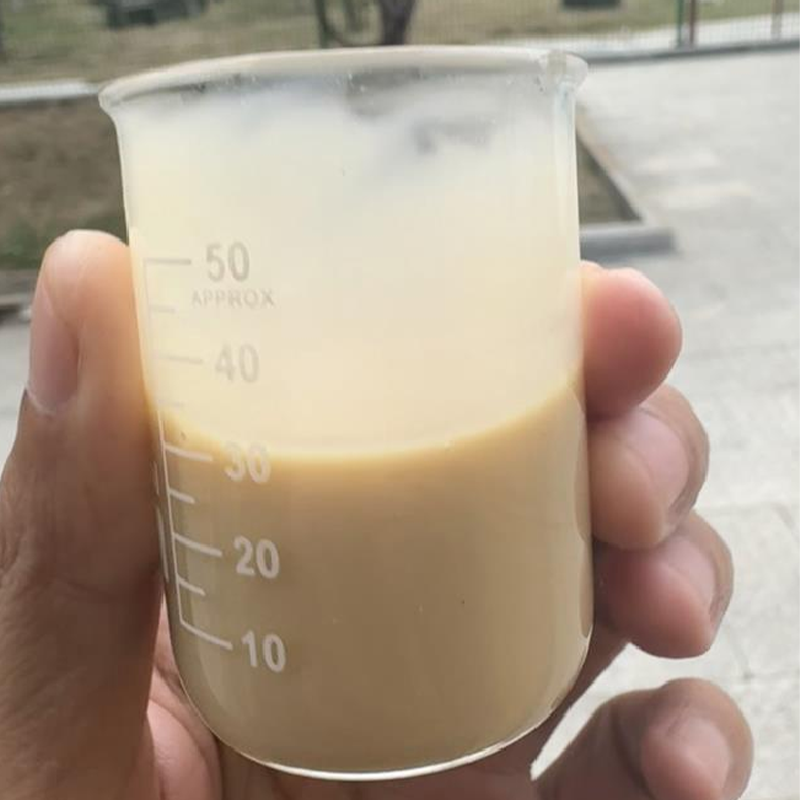
Selecting the right form factor represents a critical manufacturing decision. You must match the palatant format to your specific factory capabilities. Powder palatants typically utilize spray-dried or coated manufacturing technologies. They represent a highly stable and versatile option. Powders remain ideal for uniform mixing during early manufacturing stages. You can also use them effectively for dry surface coating.
From a complex logistics perspective, powders offer massive operational advantages. They are generally much easier and cheaper to ship internationally. They boast a significantly longer shelf life under normal warehouse conditions. They also carry a vastly lower risk of temperature-induced spoilage. Consider your storage environment carefully. High humidity environments can destroy improperly sealed powder palatants. They clump together and block factory feeding systems. You must invest in robust moisture-barrier packaging.
Liquid palatants rely heavily on specialized sprays or infused oils. They deliver a uniquely high initial olfactory impact. This strong scent appeals heavily to the pet owner. Factories apply liquids during the post-extrusion phase. You must wait until the kibble cools to 90-120°F. This specific temperature window maximizes heat-sensitive aroma retention. Applying liquids too early destroys the delicate volatile compounds.
Importing liquids presents several complex logistical challenges. You must secure reliable temperature-controlled bulk shipping. Liquids travel safely in specialized IBC totes or secure drums. They carry a notably higher risk of oxidation during ocean transit. Prolonged shipping times often cause frustrating ingredient separation. You will need aggressive agitation equipment upon arrival to remix the product. If the fats and water-soluble components separate, the flavor profile becomes highly inconsistent.
Base your bulk purchase decision on facility constraints. Evaluate your co-manufacturer's existing drum coating setup. Assess their current liquid spray system capabilities. Do not force a liquid palatant into a powder-only facility. Such missteps require massive capital expenditures to fix.
Testing rigor essentially defines the true quality of a palatant supplier. You must actively avoid suppliers relying solely on human sensory panels. Human noses cannot accurately predict canine or feline feeding behavior. Human panels only serve one purpose in pet food formulation. They ensure the product does not smell offensive to the pet owner. The owner buys the food, but the pet ultimately decides if they repurchase. You must require rigorous validation through standardized animal testing.
Reliable manufacturers utilize highly specific testing methodologies. The two-pan test measures paired preference accurately. It compares your formula directly against a chosen market benchmark. Two-pan testing removes environmental bias completely. It isolates the specific variable you want to evaluate. The one-pan test measures monadic acceptance reliably. It records absolute intake volume over a set period. Monadic testing mimics real-world home feeding scenarios perfectly. Both tests provide essential, non-biased data for commercial market success.
You should also heavily prioritize pilot plant availability. Shortlist manufacturers offering comprehensive in-house trial facilities. These trial runs let you test application rates accurately. You can validate performance directly on your specific base kibble. Doing this prevents incredibly costly mistakes before full-scale commercial runs begin.
Supply chain resilience directly determines long-term commercial viability. Assess the supplier's true ability to secure consistent raw materials. They must maintain highly reliable sources for raw animal digests. They also need steady, uninterrupted access to premium yeast extracts. A stable supply chain actively prevents lot-to-lot flavor drift. Consistent flavor profiles keep pets coming back to your brand. Unpredictable flavor shifts will instantly ruin hard-earned customer loyalty.
Successfully sourcing a premium flavor enhancer requires careful strategic balancing. You must weigh biological efficacy against strict regulatory compliance. You also need to manage complex logistical shipping realities gracefully. Treat palatant suppliers as true, long-term formulation partners. Avoid treating them simply as replaceable commodity vendors. Prioritize manufacturers offering transparent, animal-verified testing data. Look for export-ready compliance documentation and scalable factory application support.
Here are your immediate, action-oriented next steps:
Request technical data sheets from your current supplier shortlist to verify ingredient stability.
Audit all supplier certifications against your specific target destination market requirements.
Order small sample batches for local pilot testing before committing to large volumes.
Evaluate your factory application equipment thoroughly before finalizing your preferred product format.
Use these practical guidelines to streamline your next product launch. Rigorous upfront evaluation actively prevents disastrous production delays down the line.
A: Minimums vary considerably by supplier and product format. International bulk shipments typically start at 500kg to 1 metric ton. These volumes effectively justify high ocean freight and cross-border customs costs.
A: Yes. The palatant must align perfectly with all end-product claims. If your kibble is certified organic or non-GMO, the bulk palatant must possess matching certifications. Verifiable supply chain tracing remains strictly mandatory.
A: Powders generally maintain excellent stability for 12–18 months in sealed, moisture-proof bulk bags. Liquids remain highly sensitive to temperature fluctuations and oxidation. They often require specialized shipping containers and usage within 6–12 months.
A: Cross-application is physically possible but rarely commercially optimal. Cats require highly specialized amino-acid-rich profiles. Dogs respond significantly better to lipid-heavy and sweet-aroma profiles. Importers typically source entirely distinct SKU lines for each species.


 phoebe@tdtbio.com
  +86-18972222769
 Haowangzhuang Town, Wucheng County, Dezhou City, Shandong Province, China