

Views: 0 Author: Site Editor Publish Time: 2026-08-13 Origin: Site


Pet food palatants are specialized additives used to enhance the flavor and aroma of pet food, making it more appetizing for pets. These products have become increasingly popular among pet owners and manufacturers, especially for dogs and cats that are picky eaters. Palatant for dog food is particularly important in ensuring that dogs, especially senior dogs or those with special dietary needs, enjoy their meals.
But the question remains: Is pet food palatant safe for all types of pets? In this article, we will explore the safety, benefits, and proper usage of pet food palatants, with a focus on palatants for dog food. We will also guide pet owners on how to select the right product for their pets and answer some frequently asked questions about palatants.
A Pet Food Palatant is an additive designed to enhance the palatability of pet food. It typically works by increasing the food’s flavor and aroma, which encourages pets to eat it. These palatants are commonly used in both dry and wet pet foods, as well as treats, to boost acceptance in pets that are reluctant to eat.
Pet food palatants come in various forms, such as liquids, powders, and pastes. These products are generally safe when used according to the manufacturer’s instructions and are created using food-grade ingredients that are carefully selected for pet safety.
The primary function of a pet food palatant is to enhance the sensory experience of eating for pets. They are formulated with compounds that mimic the natural flavors and smells that animals find appealing. This could include natural meat extracts, fats, or hydrolyzed proteins, which make pet food more appetizing.
Improved Appetite: Pet food palatants make meals more attractive, especially for pets with poor appetites or during periods of illness.
Easier Acceptance of New Food: Picky eaters or pets transitioning to a new food formula may benefit from palatants that help make the food more familiar.
Variety in Diet: Palatants can be used to diversify the flavor profile of regular meals, giving pets more variety without changing their core diet.
Before any product is sold for use in pet food, it must comply with stringent safety regulations. Pet food palatants are regulated by food safety authorities, such as the Food and Drug Administration (FDA) and the Association of American Feed Control Officials (AAFCO). These organizations ensure that the ingredients used in pet food palatants are safe and do not pose a risk to animals.
AAFCO Approval: The AAFCO ensures that all pet food ingredients, including palatants, meet the safety and nutritional standards.
FDA Compliance: The FDA oversees the safety of additives used in pet food, ensuring they are properly tested for potential health risks.
In general, pet food palatants are safe for both dogs and cats when used as directed. However, it’s important to note that some pets may have food allergies or sensitivities to certain ingredients used in palatants, such as chicken or fish extracts. It is always recommended to consult a veterinarian before introducing a new palatant to your pet’s diet, especially for pets with known food allergies.
Pet food palatants undergo rigorous testing to ensure they meet safety standards. This includes:
Ingredient Testing: Raw materials used in palatants, such as protein extracts and flavor enhancers, are tested for purity and safety.
Toxicology Studies: Manufacturers conduct toxicology studies to ensure the ingredients do not cause adverse reactions in pets.
Palatability Trials: These trials help verify that the palatant enhances the food’s appeal to pets, encouraging them to eat.
Palatant for dog food is specifically designed to meet the nutritional and sensory needs of dogs. For dogs, especially senior dogs or those with health issues, food can sometimes become less appealing. Adding a palatant helps ensure that the dog consumes the necessary nutrients, improving their overall health and well-being.
Improved Nutrient Intake: Dogs with medical conditions or poor appetites may not eat enough to maintain proper nutrition. Palatants encourage them to consume more, ensuring they get the calories and nutrients they need.
Healthier Digestion: For dogs with sensitive stomachs, palatants can help make food more palatable and easier to digest, promoting better digestion.
When using palatant for dog food, it’s crucial to ensure the proper amount is added to prevent overuse. Typically, a small amount of palatant is sufficient to enhance flavor. It’s important not to rely solely on palatants, as the dog’s primary nutrition should come from balanced, nutrient-rich food.
There are various types of palatants available for dog food, each serving a unique function. These include:
Liquid Palatants: Ideal for wet food or to mix with dry kibble, liquid palatants are easy to distribute and improve the aroma and taste of food.
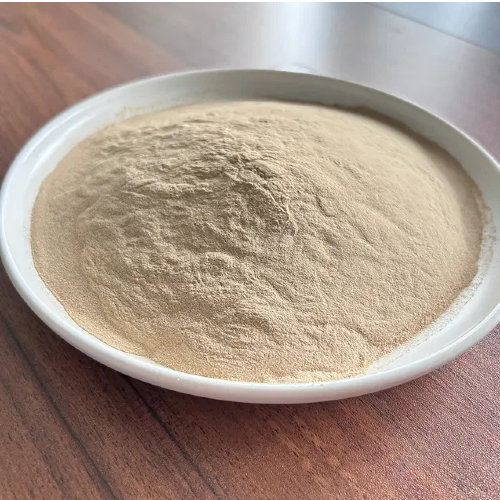
Powdered Palatants: Used primarily in dry food, powdered palatants are often sprinkled over the food to improve its flavor.
Paste Palatants: Often used for treats or homemade dog food, paste palatants are versatile and highly effective.
Palatant Type | Use Case | Benefits |
Liquid Palatants | Wet Food, Dry Kibble | Enhances aroma and flavor |
Powdered Palatants | Dry Food | Convenient and easy to use |
Paste Palatants | Homemade Food, Treats | Flexible and nutrient-dense |
Choosing the right palatant for dog food depends on several factors:
Age and Health: Senior dogs or puppies may require different formulations. Dogs with specific health conditions like kidney disease may also require specialized palatants.
Food Preferences: Some dogs prefer a meaty taste, while others may enjoy more neutral or fish-based flavors.
Dietary Restrictions: Ensure that the palatant matches your dog’s dietary requirements, especially if they have food allergies or sensitivities.
When selecting a palatant, consider the following:
Natural Ingredients: Look for palatants made with natural, non-GMO ingredients to ensure better nutritional value.
Certifications: Choose palatants that are certified by relevant food safety authorities, such as AAFCO or USDA.
No Artificial Additives: Avoid products with artificial colors, flavors, or preservatives.
Palatants should be added to your pet’s meals in moderation. It is generally recommended to follow the manufacturer's instructions on the amount to use. For dogs, start with a small amount and gradually increase as needed to enhance their eating experience.
While palatants can improve the flavor and aroma of dog food, excessive use can lead to a change in eating habits or disrupt the nutritional balance of your pet’s diet. It’s important to use palatants as a supplement, not as a replacement for balanced nutrition.
In conclusion, pet food palatants are safe for most pets when used as directed. They play an essential role in enhancing the flavor and aroma of pet food, making it more appealing for dogs, cats, and other animals. This ensures they receive the necessary nutrients for their health and well-being. When selecting a palatant for your dog, it's important to consider their specific needs, health conditions, and food preferences. We always recommend consulting with your veterinarian before introducing any new additives to your pet’s diet to ensure the best outcome.
If you're looking for high-quality palatants tailored to your pet's needs, we invite you to learn more about our range of products. Our team at Dezhou Taiduotai Biological Technology Co., Ltd. is dedicated to providing safe, effective solutions to enhance your pet's meals. Feel free to reach out to us for more information or to discuss how we can support your pet food formulations.
Pet food palatants are typically made from hydrolyzed proteins, natural meat extracts, and fatty acids that mimic the aroma and flavor of animal food.
Yes, palatants are designed to be safe for both cats and dogs. However, specific formulations may be targeted for each species based on their unique nutritional needs.
Start with a small amount, typically 1-2 teaspoons per meal, and adjust based on your dog’s preferences and appetite. Follow the product's instructions for the best results.
Yes, palatants are safe for puppies and senior dogs, but the formulation may need to be adjusted to meet their specific dietary needs.
Overuse of palatants may lead to overeating or affect the balance of nutrients in your dog’s diet. Always use palatants in moderation.
Yes, pet food palatants can be used to enhance the flavor of homemade dog food, making it more appealing to dogs that may be reluctant to eat.


 phoebe@tdtbio.com
  +86-18972222769
 Haowangzhuang Town, Wucheng County, Dezhou City, Shandong Province, China