

Views: 0 Author: Site Editor Publish Time: 2026-06-27 Origin: Site


Feeding your pet should be a joyful experience. Yet for many owners, mealtime becomes a daily struggle against food sensitivities and digestive upset. Standard whole-meat diets often trigger frustrating immune responses. They can cause severe gastrointestinal distress or remain completely unabsorbed in pets facing compromised health. When chronic inflammation takes over, traditional kibble simply fails.
Peptide Protein offers a remarkable scientific solution. By breaking complex amino acid chains into microscopic fragments, these pre-digested nutrients bypass immune detection entirely. They deliver clinical-grade, easy digestion for pets battling severe allergies, inflammatory bowel disease, or geriatric muscle wasting. This comprehensive guide provides an evidence-based framework. You will learn to evaluate, shortlist, and transition your pet to the correct formula safely. We will help you navigate past flashy marketing jargon to find real relief.
Not all peptides are equal: Evaluating a dog & cat peptide requires looking at biological value, apparent digestibility, and molecular weight (measured in Daltons).
Animal-derived peptide proteins (like Chicken Protein Hydrolysate) generally offer superior essential amino acid profiles compared to plant-based peptides, which may require taurine and methionine supplementation.
The primary trade-off of a peptide-based diet is palatability; the hydrolysis process can create a bitter taste, requiring a strategic, phased transition.
Peptide diets are best utilized as targeted solutions for elimination diets (8-12 weeks) or chronic malabsorption, rather than mandatory upgrades for strictly healthy pets.
To understand why hydrolyzed diets work, we must first look at how pets digest food. Intact proteins found in standard pet foods require massive enzymatic effort. When a dog or cat eats a chicken breast, their stomach acid and pancreatic enzymes must violently tear apart long, complex protein chains. If a pet suffers from exocrine pancreatic insufficiency (EPI) or intestinal inflammation, their body cannot produce enough enzymes. The protein ferments in the gut, causing gas, diarrhea, and systemic inflammation.
Peptides eliminate this heavy lifting. They are practically pre-digested through a controlled manufacturing process called enzymatic hydrolysis. Water and natural enzymes break the large proteins down before they ever enter the food bag. When your pet eats them, these microscopic fragments absorb directly through the intestinal wall. They demand zero effort from a struggling pancreas.
Beyond digestion, these tiny fragments perform a magic trick on the immune system. Food allergies happen when a pet's immune system mistakenly identifies a specific protein shape as a dangerous invader. Mast cells trigger an allergic cascade, resulting in itchy skin or ear infections. Because the hydrolysis process breaks down these proteins so finely, the body's immune receptors no longer recognize them. They slide under the immune system's radar. Clinical standards dictate keeping these fragments below 10,000 Daltons to ensure true hypoallergenic performance.
Finally, researchers now recognize unique bioactive benefits tied to specific peptide structures. Beyond acting as simple building blocks for muscle, certain free amino acids and dipeptides function as potent antioxidants. They actively reduce oxidative stress in the gut. Some even offer prebiotic-like effects, encouraging beneficial gut flora to flourish while starving out harmful bacteria.
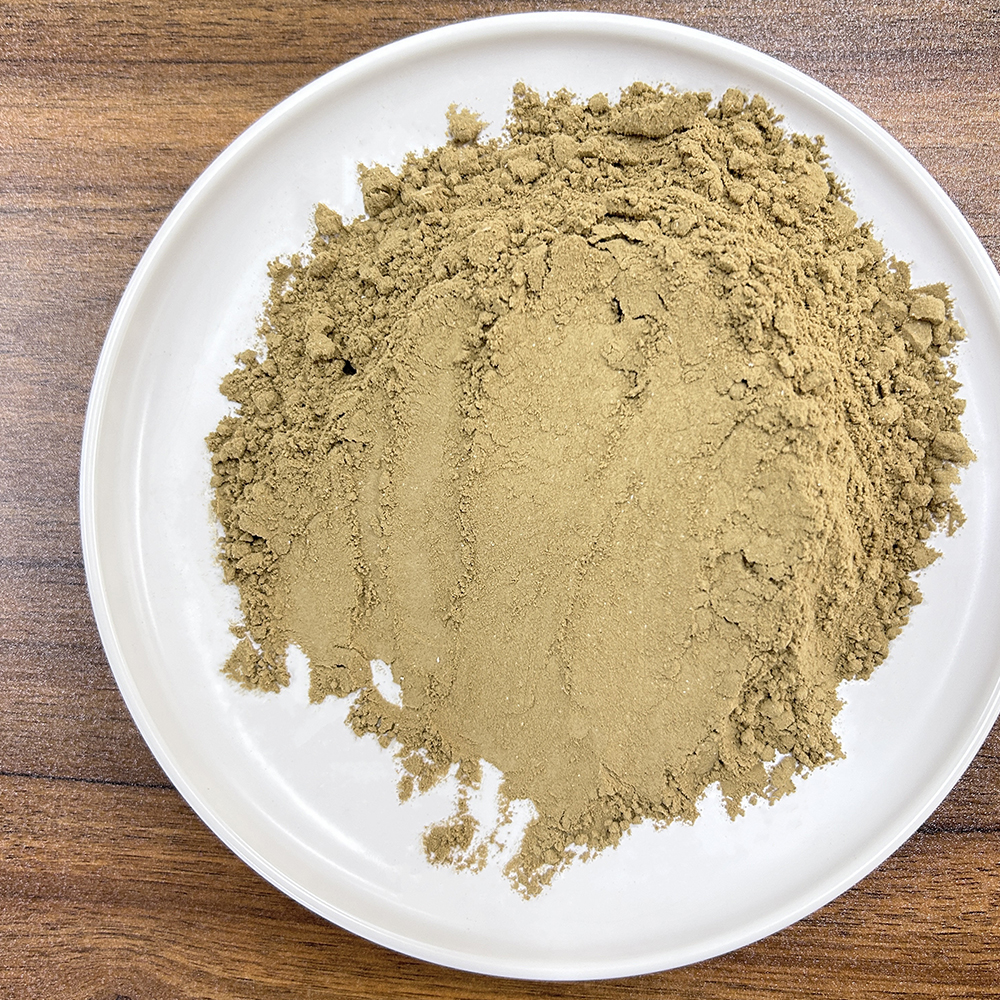
Navigating the pet food aisle requires looking past the front-label marketing. You need a structured way to determine if a specific product will actually heal your pet. Use this five-point framework to evaluate any hydrolyzed diet before you buy.
Amino Acid Profile: A high-quality formula must provide the essential building blocks your pet cannot synthesize internally. Dogs require 10 essential amino acids. Cats require 11, heavily relying on dietary taurine to prevent fatal heart conditions. Always check if the manufacturer explicitly details their amino acid completeness.
Biological Value (BV): This metric measures how efficiently a pet's body utilizes the absorbed nutrients. You want a high BV score because it means less waste. Whole eggs and specific animal muscle tissues set the baseline near 100. High-BV animal peptides ensure your pet builds lean muscle rather than excreting expensive nutrients.
Apparent Digestibility Coefficient (ADC): ADC represents the measurable difference between what goes into the food bowl and what ends up in the litter box or yard. Superior peptide diets demonstrate an ADC exceeding 85 to 90 percent. High ADC values correlate directly with smaller, firmer stools.
Anti-Nutritional Factors: The origin of the ingredients matters tremendously. Plant-based peptides often contain natural defense mechanisms like phytic acid and trypsin inhibitors. These compounds literally block nutrient absorption. If a manufacturer uses soy or pea peptides, they must utilize advanced thermal or enzymatic treatments to neutralize these anti-nutritional factors.
Palatability: This remains the most common failure point in clinical settings. Hydrolysis exposes hydrophobic amino acids. To a dog or cat, these exposed amino acids taste extremely bitter. The best formulas use specialized flavor coatings or specific enzyme combinations to mask the bitterness without adding intact protein allergens.
Choosing the right protein source determines both the nutritional outcome and your pet's willingness to eat. Manufacturers typically pull from three distinct categories. Each carries specific advantages and clinical risks.
Protein Category | Primary Examples | Clinical Pros | Potential Cons |
|---|---|---|---|
Poultry & Mammalian | Chicken Protein Hydrolysate (CPH), Hydrolyzed Pork | High biological value; naturally rich in essential amino acids; proven to improve fecal scores quickly. | Requires exceptionally clean sourcing to avoid heavy processing degradation; high demand impacts cost. |
Marine & Aquatic | Hydrolyzed Salmon, Whitefish, Microalgae (Spirulina) | Excellent for skin and coat health; naturally high in anti-inflammatory Omega-3s; microalgae offers up to 70% protein. | Risk of heavy metal accumulation if not strictly third-party tested; distinct fish odor deters picky eaters. |
Plant & Alternative | Hydrolyzed Soy, Pea, Insect (Black Soldier Fly) | Highly sustainable; insect exoskeleton (chitin) acts as a prebiotic fiber; inherently hypoallergenic to most mammals. | Plant sources often lack sufficient methionine and taurine; requires meticulous synthetic fortification. |
Poultry and mammalian peptides remain the gold standard for gut rehabilitation. Because dogs and cats evolved eating these protein structures, their bodies utilize them efficiently. Chicken Protein Hydrolysate specifically delivers rapid improvements in chronic diarrhea cases.
Marine options excel when dealing with severe dermatological issues. The natural lipid profiles in hydrolyzed salmon help rebuild the skin barrier. Meanwhile, microalgae like spirulina represent an exciting frontier. They provide massive protein density without the environmental burden of commercial fishing.
Plant and alternative sources divide the veterinary community. While hydrolyzed soy serves as the backbone for many prescription diets, it requires heavy synthetic supplementation to keep cats safe. Insect peptides offer a brilliant compromise. They provide an animal-like amino acid profile alongside a carbon footprint smaller than commercial soy farming.
Your pet's specific diagnosis should dictate your purchasing decision. A blanket approach rarely works in clinical nutrition. Match their primary symptom to the targeted solutions below.
If your dog constantly chews their paws or your cat scratches until they bleed, you need absolute immune silence. Opt for an extensively hydrolyzed single-source formula used strictly over an 8 to 12-week elimination trial. The Dalton weight must sit below 10,000. During this window, you must enforce a strict lockdown. No other treats, flavored medications, or table scraps can enter their mouth, or the entire trial resets.
Pets suffering from inflammatory bowel disease or chronic pancreatitis face a different challenge. They need nutrient absorption without pancreatic stress. Prioritize ultra-low-fat, highly digestible formulations like chicken hydrolysate or whitefish peptides. These options minimize the workload on the pancreas while ensuring the intestinal villi can absorb nutrients passively.
Older pets naturally lose muscle mass, a condition known as sarcopenia. Unfortunately, feeding them traditional high-protein kibble often damages aging kidneys due to high phosphorus levels. High Biological Value animal-derived peptides solve this dilemma. They maximize amino acid uptake for muscle preservation while minimizing the metabolic waste filtering through the kidneys.
Modern pet owners increasingly care about environmental impact. Traditional meat production carries a heavy ecological burden. Insect-based peptides offer a compelling middle ground. They provide a complete amino acid profile comparable to poultry, but require a fraction of the land and water. Furthermore, the insect exoskeleton provides chitin, a functional fiber supporting gut health.
Purchasing the right formula only solves half the puzzle. Getting your pet to eat it and adapting their gut requires patience. Many owners abandon clinical diets prematurely because they misunderstand the transition process.
You must prepare for the palatability hurdle. Pets instinctively crave the umami flavors found in intact animal fats and whole meats. Because the hydrolysis process strips these familiar flavors away and exposes bitter amino acids, initial rejection is common. Do not assume your pet hates the food immediately. They simply need time to adjust their palate.
To overcome this, you must rethink the transition timeline. Standard kibble swaps typically take five to seven days. Introducing a specialized diet requires a minimum of 10 to 14 days.
Recommended 14-Day Transition Chart | |||
Phase | Old Diet Ratio | New Diet Ratio | Primary Goal |
|---|---|---|---|
Days 1-3 | 80% | 20% | Scent introduction and minimal GI disruption. |
Days 4-7 | 60% | 40% | Palate adaptation and initial stool monitoring. |
Days 8-11 | 30% | 70% | Shifting primary nutrient reliance. |
Days 12-14 | 0% | 100% | Full dietary compliance. |
You must also evaluate cost versus outcome rationally. Hydrolyzed diets carry premium price tags. The complex enzymatic manufacturing, rigorous quality control, and frequent cleaning of production lines drive up costs. You should view these diets as medical or therapeutic investments rather than standard maintenance kibble. The upfront cost often offsets expensive veterinary visits, steroid injections, and chronic suffering later.
Finally, we must debunk the protein rotation myth. In holistic circles, rotating whole-meat proteins every two to six weeks helps prevent intolerances in healthy dogs. However, this logic actively destroys the efficacy of a clinical hypoallergenic diet. Once your pet achieves stability and symptom relief on a specific hydrolyzed formula, do not rotate it. Consistency is the ultimate goal.
Finding the right dietary solution requires looking past slick packaging and understanding the clinical mechanics of digestion. By prioritizing highly digestible, low-molecular-weight options, you can give your pet's immune and digestive systems a much-needed rest.
Base decisions on primary symptoms: Choose ultra-low-fat options for gut issues (pancreatitis/IBD) and extensively hydrolyzed options (under 10,000 Daltons) for skin allergies.
Verify amino acid completeness: Always confirm the formula meets species-specific requirements, especially taurine levels for cats on plant-based alternatives.
Expect a learning curve: Commit to a slow 14-day transition to overcome the natural bitterness associated with pre-digested nutrients.
Your next step involves action and observation. Consult with a veterinary nutritionist to ensure your chosen formula aligns perfectly with your pet's specific diagnostic needs. Secure a four-week supply to conduct a proper palatability test, and prepare to watch your pet's vitality return as their body finally absorbs the nutrition it desperately needs.
A: Yes, but it is generally unnecessary and not cost-effective. Healthy digestive tracts are fully equipped to process high-quality whole proteins. Feeding an expensive, pre-digested formula to a healthy dog or cat offers no added nutritional benefit and simply strains your budget.
A: Naturally, no. Plant sources inherently lack adequate taurine. Any plant-based or alternative diet formulated for felines must be synthetically fortified with taurine to prevent fatal cardiac issues. Always verify the guaranteed analysis on the label.
A: No. While these diets offer effortless absorption, severe intestinal inflammation takes weeks to heal completely. You should expect noticeable improvements in stool quality, gas reduction, and overall vitality within 14 to 21 days of strict feeding.


 phoebe@tdtbio.com
  +86-18972222769
 Haowangzhuang Town, Wucheng County, Dezhou City, Shandong Province, China