

Views: 0 Author: Site Editor Publish Time: 2026-02-11 Origin: Site


Pet food makers chase two things every day.
Pets need to eat it. Pets need to digest it well.
Hydrolyzed Chicken Powder helps on both fronts, so you see it in premium kibble, functional treats, and sensitive-pet formulas.
In this guide, we’ll break down how it works, how teams apply it, and how to avoid the usual production headaches.
Hydrolyzed Chicken Powder is chicken protein processed into smaller pieces.
Those pieces are mainly short peptides plus free amino acids.
People call it “pre-digested” protein, since enzymes already did part of the work.
So pets often absorb it faster, then show better feeding response.
It also delivers a clean savory profile, so it doubles as a palatability tool.
Whole proteins are long chains.
Digestive enzymes must cut them, step by step, before absorption can happen.
Hydrolysis shortens those chains earlier in the process.
So the gut has less to break down, especially for sensitive animals.
Flavor changes too. Short peptides release aroma quickly, then trigger a stronger “meaty” taste signal.
In kibble, this matters a lot, since extrusion and drying can dull top notes.
In treats, it matters even more, since actives can add bitterness.
| Ingredient | How it is made | Main role in pet food | What you notice in a formula |
|---|---|---|---|
| Hydrolyzed Chicken Powder | Enzymatic hydrolysis, filtration, spray drying | Digestible protein + palatability enhancement | Fast aroma release, good solubility, steady acceptance |
| Chicken meal | Rendering, drying, grinding | Base animal protein nutrition | Less soluble, less surface aroma impact, strong nutrition backbone |
| Chicken liver powder | Cooking or hydrolysis, then drying | Flavor punch, strong top-note attraction | Richer smell, stronger masking power, can dominate flavor if overused |
Teams rarely want “just any” hydrolysate.
They want repeatable sensory performance.
They want stable flow in hoppers.
They want low clumping risk during shipping.
They also want safety documents ready for audits.
So the best products are not only tasty. They behave well in manufacturing, then stay stable on shelves.
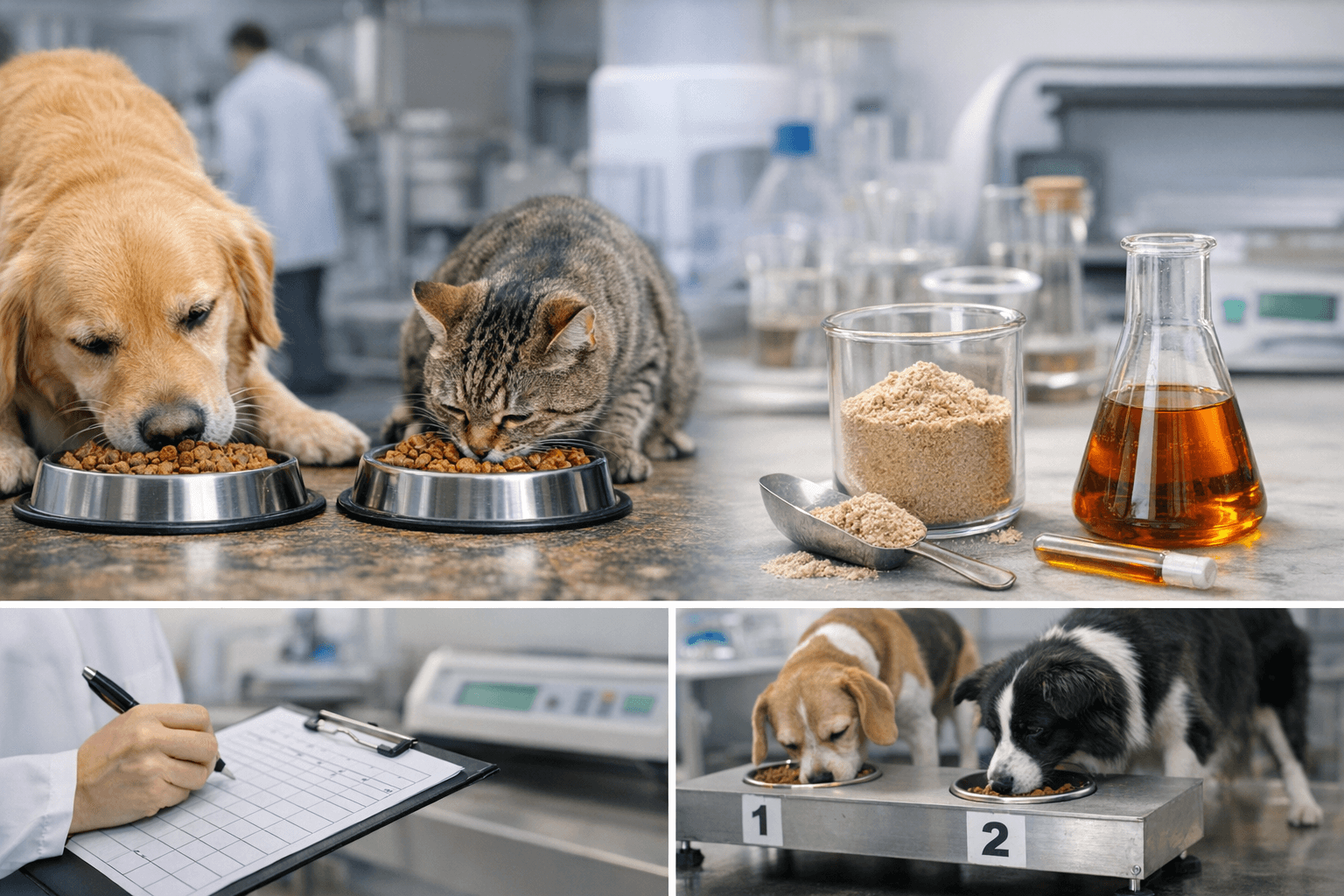
Let’s be honest. Nutrition alone does not win the market.
If pets refuse the food, the formula fails, even if it looks perfect on paper.
Hydrolyzed Chicken Powder helps teams build a product pets actually finish, then owners re-buy.
Dry kibble can smell flat after extrusion.
Some recipes also include minerals, botanicals, or functional actives.
They can taste harsh, then create refusal.
Hydrolyzed Chicken Powder adds savory depth, plus fast aroma release, so pets engage sooner.
Better first sniff response, then faster first bite.
Higher bowl completion across days, not only day one.
Lower “selective eating,” especially in picky cats.
Better masking for bitter notes in functional treats.
Short peptides generally digest easier than intact proteins.
So it often fits sensitive stomach formulas, puppy or kitten nutrition, and aging-pet diets.
Some brands also use hydrolyzed proteins for lower antigenicity positioning.
Still, each pet differs. Some react to many ingredients.
So responsible brands test tolerance, then choose careful wording.
| Brand goal | What teams measure | How Hydrolyzed Chicken Powder supports the goal |
|---|---|---|
| Increase acceptance | First-choice rate, time-to-first-bite | Fast surface aroma, strong savory signal |
| Increase repeat purchase | Finish rate across 3–7 days, complaint rate | Steady palatability, fewer refusals after novelty fades |
| Upgrade functional treats | Refusal rate, compliance for daily feeding | Masks bitterness, adds meaty roundness |
| Support sensitive digestion line | Stool score trends, transition response | Smaller peptides, easier absorption path |
Processing controls the final behavior.
Two powders can look similar, yet perform very differently in kibble coating or treat blending.
So teams should understand the basics, then ask better supplier questions.
Raw material selection, then safety screening and freshness checks.
Grinding and blending, so the slurry stays uniform.
Enzyme addition, then controlled hydrolysis using time, pH, temperature.
Reaction stop via heat, then rapid cooling for stability.
Clarification or filtration, so performance stays consistent.
Concentration, then spray drying into stable powder.
Packaging using moisture barriers, then cool, dry storage.
Degree of hydrolysis is basically “how far the protein got cut.”
More cutting often improves solubility and absorption.
Yet flavor can sharpen too, sometimes adding bitter edges at high inclusion.
Less cutting can feel rounder, then work better for gentle, long-term acceptance.
So most teams do not chase extremes. They chase balance, then verify through feeding trials and sensory checks.
| Spec type | What to request | Why it matters |
|---|---|---|
| Core composition | Protein, moisture, fat, ash, salt | Controls nutrition, stability, flow |
| Micro safety | Salmonella negative, TPC limits, yeast/mold | Reduces recall risk |
| Performance | Solubility, particle size distribution, bulk density | Predicts coating coverage, dusting behavior |
| Freshness | Odor score, oxidation indicators | Prevents rancid notes and refusals |
| Traceability | COA, lot code, production records | Supports audits and fast root-cause work |
Here is what teams often see on the floor.
If hydrolysis runs longer, aroma intensity usually rises, and solubility often improves.
Yet the taste can get sharper, so inclusion needs tuning.
If drying runs too hot, top notes can fade, then the product tastes flatter in kibble.
If moisture creeps up, clumps show up in storage, then dosing becomes uneven.
So QC is not “paperwork.” It directly protects palatability performance.
Kibble is rough on aroma.
Heat, pressure, then drying can strip attractive top notes.
So teams often apply Hydrolyzed Chicken Powder after extrusion, so it sits on the surface and hits the nose first.
Some brands also add a smaller portion in the pre-extrusion mix for a baseline savory foundation.
| Application point | What it delivers | What to watch |
|---|---|---|
| Pre-extrusion inclusion | Baseline taste through the kibble matrix | Heat can mute aroma, so impact feels smaller |
| Post-extrusion coating | Surface aroma, faster acceptance, stronger first bite | Adhesion, dust control, uniform coverage |
It is not only one dramatic preference test.
Real success looks boring, in a good way.
Pets keep eating. They do it consistently.
First-choice preference improves during controlled trials.
Finish rate stays higher after novelty fades.
Refusals drop during diet transitions.
Owners report fewer “sniff and walk away” moments.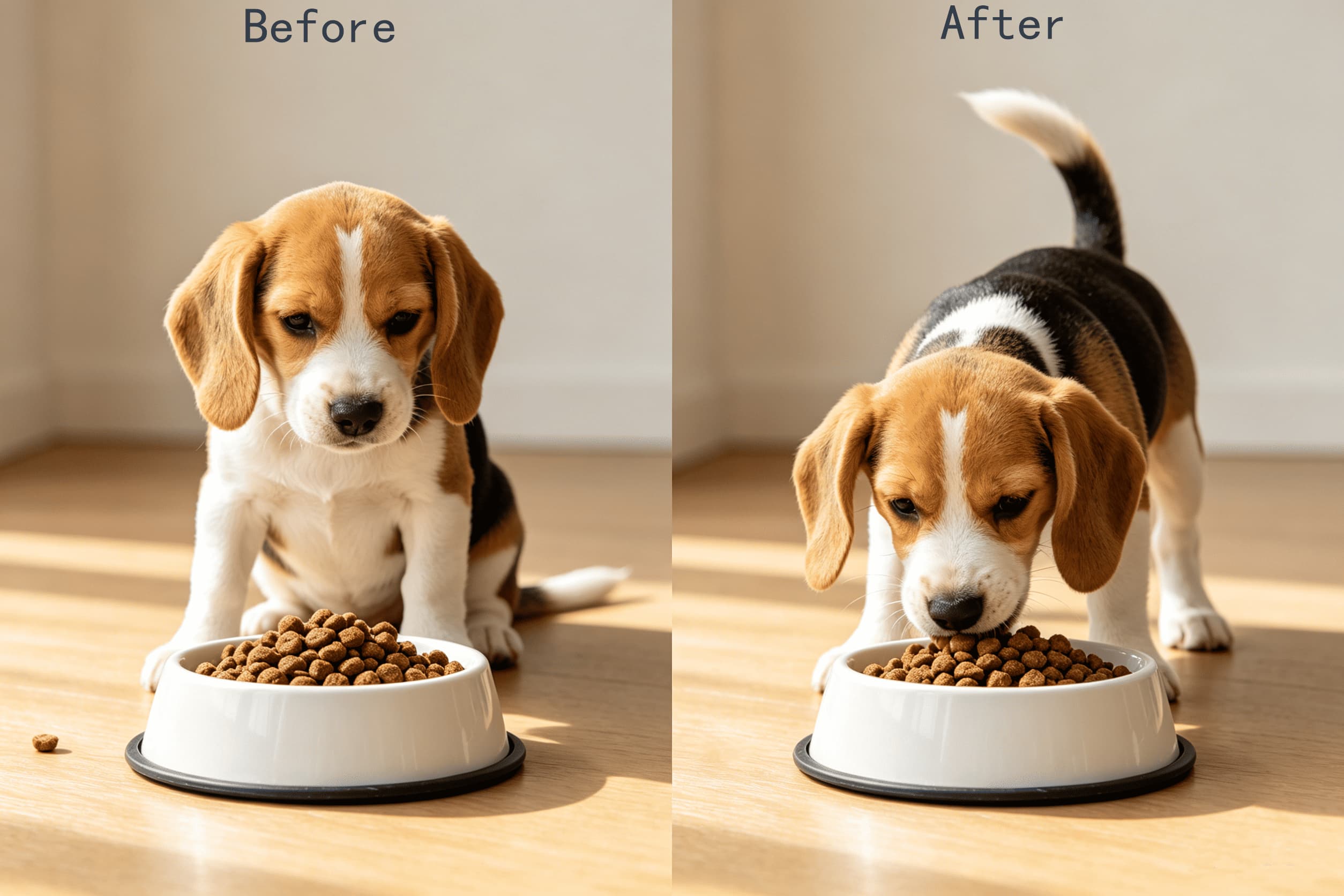
Coating can look simple, yet small changes create big swings.
So teams standardize the basics, then lock the winning setup.
Cool kibble enough before coating, so aroma stays bright.
Use a carrier oil, so powder adhesion improves and dust drops.
Control fines, since too many fines waste palatant and dirty equipment.
Sample several points from the batch, so uniformity gets verified.
Some formulas use hydrolyzed powders as a bigger protein contributor, not only a surface tool.
This fits sensitive diets, high-end recipes, and diets aiming for easy digestion.
In those cases, teams often compare options such as Hydrolyzed Chicken Meat Powder for a robust base, then add surface palatants for aroma lift.
Treats are “small bites, big expectations.”
Pets decide fast. Owners judge faster.
Hydrolyzed Chicken Powder helps treats smell more meaty, then taste more satisfying, even when functional actives are inside.
Teams can apply it in-mix, dust it on the surface, or use it inside a glaze.
| Treat type | Best method | Why it works | What to watch |
|---|---|---|---|
| Baked biscuits | Post-bake dusting or glaze | Heat stays lower, so top aroma stays stronger | Humidity control during cooling and packing |
| Soft chews | In-mix blending | Even flavor distribution in every bite | Moisture, stickiness, clumping risk |
| Jerky-style treats | Surface seasoning | Surface aroma drives fast “take it” behavior | Dust and cross-contact during packaging |
| Freeze-dried bites | Light coating | Low heat keeps aroma bright | Gentle handling to reduce fines |
Functional treats often include glucosamine, botanicals, minerals, or probiotics.
Some of those ingredients taste bitter or “chalky.”
Pets notice it quickly, then they hesitate, then compliance drops.
Hydrolyzed Chicken Powder helps by adding savory depth and a lingering meaty finish.
So the bitter note becomes less dominant, and the treat feels more rewarding.
Teams still need trials, since every active system behaves differently, and texture matters too.
Treat lines often fail due to humidity, not due to flavor.
So teams control the environment, then protect the powder after opening.
Keep the blending room dry, so flow stays stable.
Seal bags fast after sampling, so aroma does not fade early.
Track water activity in chews, so texture stays consistent.
Run a small pilot batch after any supplier change.
Hydrolyzed Chicken Powder can play two roles.
It can act as a palatability enhancer at lower inclusion.
It can also contribute meaningful protein at higher inclusion.
So your team should align on purpose first, then set the formulation plan.
If you use it mainly for aroma, it behaves like a high-impact palatant ingredient.
If you use it as a protein source, it becomes part of the nutrition backbone.
Either path can work. The key is consistency in testing, and clarity in claims.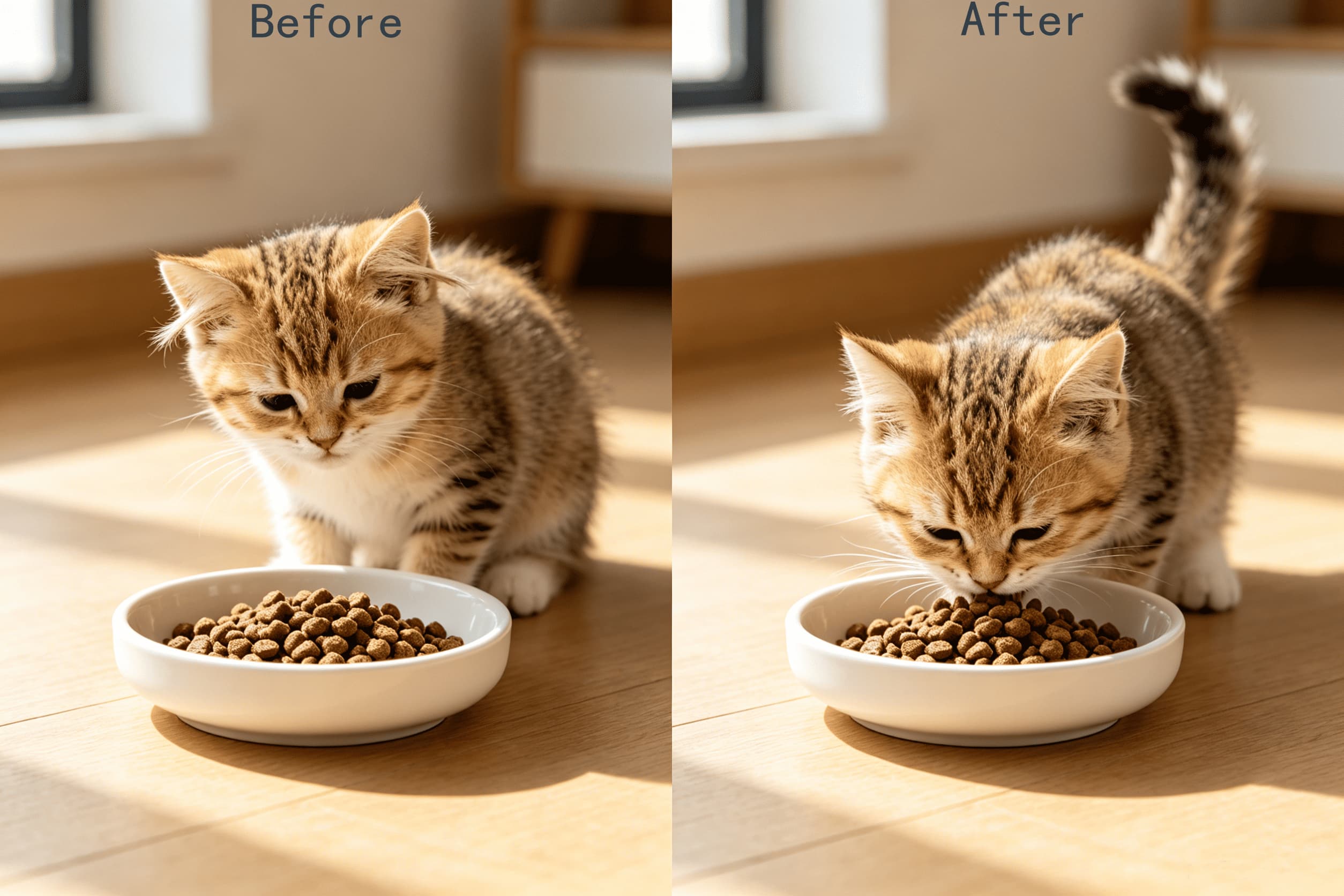
Different raw materials create different results.
Meat-based hydrolysates often deliver clean savory taste and broad appeal.
Intestinal-mucosa-based peptides can add functional positioning for gut health.
For example, Hydrolyzed Chicken Powder 55 focuses on functional peptide positioning and fast absorption, so it can support gut-health narratives in suitable products.
Teams usually validate the choice by running both sensory checks and performance trials in the target format.
“Hydrolyzed protein”
“Highly digestible protein source”
“Supports palatability and intake”
“Supports gentle digestion”
“Hypoallergenic” language needs extra care.
Hydrolysis may reduce allergen triggering for some pets.
Yet it is not universal, so teams should avoid absolute promises.
This part protects your brand.
It also protects your palatability results.
Even a great powder can fail if moisture rises, or if oxidation creeps in, or if micro control slips.
| Category | What you ask for | Why you care | Fast decision rule |
|---|---|---|---|
| Micro safety | Salmonella negative, TPC limits, yeast/mold | Reduces recall risk | Any Salmonella positive means reject |
| Core specs | Protein, moisture, ash, salt | Controls stability and dosing | Moisture drift signals clumping risk |
| Freshness | Odor check, oxidation indicators | Prevents stale or rancid notes | Off-odor means hold and investigate |
| Traceability | Lot code, COA, records | Supports audits and root-cause analysis | Missing lot ID is a red flag |
Allergen control plan, plus validated clean-down steps.
Controls after kill steps, so recontamination stays low.
Retention samples, so you can compare aroma later.
Packaging specs focused on moisture barrier performance.
Moisture is the main enemy.
Heat is the second enemy.
Odor cross-contact is a sneaky third enemy.
Store it cool and dry, so flow stays stable.
Reseal opened bags quickly, so aroma stays intact.
Use FIFO, so older inventory does not linger.
Keep it away from strong odors, solvents, and chemicals.
Here is a simple playbook teams can follow.
It keeps trials focused and speeds up decision-making.
It also reduces “random tweaking,” which wastes time.
Picky eater support and higher acceptance.
Sensitive digestion positioning.
Functional treat masking for better compliance.
Premium aroma signature for stronger repeat purchase.
Start by browsing a structured category, then shortlist candidates.
Poultry Hydrolyzed Chicken Powder options usually differ in peptide profile, raw material focus, and sensory intensity.
So a quick lab test is not enough.
You want pilot coating or pilot treat trials, then preference checks.
| Target product | Most common method | Why it works | What to verify |
|---|---|---|---|
| Kibble | Post-extrusion coating | Surface aroma drives fast acceptance | Adhesion, dust, uniformity |
| Soft chews | In-mix blending | Even taste in every bite | Texture, moisture stability |
| Jerky treats | Surface seasoning | High impact aroma in small bites | Dust control, shelf aroma retention |
Single-note flavor often feels flat.
Pets can adapt, then interest drops.
Layering helps maintain intake over time.
| Layer | What it does | What teams often use |
|---|---|---|
| Base savory | Supports consistent intake across days | Hydrolyzed chicken meat protein, balanced poultry notes |
| Top-note attraction | Boosts first sniff and first bite | Surface-applied hydrolyzed poultry palatability layer |
| Functional masking | Reduces bitterness from actives | Hydrolyzed peptides plus rounding flavor system |
Then you validate it in the real format.
Kibble results do not always predict treat results.
So teams test in the final product, then lock specs and process settings.
Problems happen, even on good formulas.
The key is to diagnose in the right order.
Start at application method. Then check storage. Then check ingredient specs.
Likely causes: low carrier oil, short coating time, excessive fines.
Quick checks: measure fines after a shake test, check drum settings.
Common fixes: tune oil rate, adjust powder PSD, extend coating time.
Likely causes: moisture pickup in storage, weak reseal habits.
Quick checks: sieve test, compare moisture spec to COA.
Common fixes: improve packaging liner, lower warehouse humidity, add anti-caking option.
Likely causes: oxidation, heat exposure, old inventory.
Quick checks: compare to retention sample, run a pilot coating sniff test.
Common fixes: shorten storage cycle, tighten freshness specs, improve sealing steps.
| Likely reason | What you will notice | What teams usually do next |
|---|---|---|
| Spec drift | Aroma intensity changes, then preference changes | Lock COA ranges and add incoming sensory scoring |
| Moisture variation | Clumps, uneven dosing, inconsistent coating | Tighten moisture spec and upgrade packaging |
| Process variability | Taste sharpness shifts, sometimes bitterness rises | Audit process controls and qualify a second source |
Teams often ask a fair question.
“Why not just use yeast, fish, or liver notes?”
The answer depends on the goal.
Hydrolyzed Chicken Powder tends to bring a clean, broad savory profile plus digestibility support, so it sits in a sweet spot for many formulas.
| Option | Strengths | Limits | Best-fit use |
|---|---|---|---|
| Hydrolyzed Chicken Powder | Clean savory taste, fast aroma, good solubility | Needs moisture control and QC discipline | Kibble coating, treats, masking functional actives |
| Yeast extracts | Umami lift, good rounding effect | Yeasty note at higher inclusion | Layering and cost balancing |
| Fish hydrolysates | Very strong aroma, often strong cat response | Odor can feel too intense for some markets | High-attraction coatings, cat-focused lines |
| Liver-forward palatants | Rich top-note attraction, strong masking | Can dominate flavor, oxidation risk | Functional treats, toppers |
Blends keep the eating experience interesting.
They also let you reduce risk, since no single ingredient carries the full load.
Many teams start a blend using hydrolyzed chicken as the base savory layer, then add a smaller top-note booster for first-sniff attraction, then include a rounding system for bitter actives.
It sounds simple. It works, especially after preference tests confirm it.
Testing converts a nice idea into a predictable product.
It also gives your marketing team real proof points.
So do it early, then repeat it after any major process change.
Two-bowl preference: compare A versus B, then track first choice and total intake.
Time-to-first-bite: measure how quickly pets begin eating after serving.
Multi-day intake: track 3–7 days, so novelty does not fool you.
Teams often monitor stool score, gas, and transition response.
They also watch appetite stability, since sensitivity often shows up as reduced eating.
Then they adjust inclusion and application method, instead of guessing.
| Test | What you track | Why it matters |
|---|---|---|
| Shelf simulation | Aroma intensity over time | Predicts real-market acceptance |
| Humidity stress | Clumping, flow, dosing stability | Prevents line problems and uneven palatability |
| Heat stress | Color, aroma retention | Protects baked treats and extrusion performance |
| Line feasibility | Dust, adhesion, cleanup time | Controls cost and consistency |
What is Hydrolyzed Chicken Powder used for in kibble?
It supports aroma and taste, often used as a post-extrusion coating for strong surface attraction.
How does Poultry Hydrolyzed Chicken Powder help treats?
It improves savory taste, boosts aroma, and often masks bitterness from functional actives.
Is Hydrolyzed Chicken Powder only a palatant?
No. It can act as a palatability enhancer, and it can contribute digestible protein, depending on inclusion.
Does hydrolyzed protein equal hypoallergenic?
Not always. Hydrolysis may reduce allergen triggering for some pets, yet individual response still varies.
What causes clumping during storage?
Moisture pickup is the usual cause. Better packaging, faster resealing, and humidity control help a lot.
How can we confirm quality fast?
Check COA, verify micro safety, run a small pilot coating test, then compare aroma to retention samples.
Hydrolyzed Chicken Powder is a practical ingredient for modern pet food.
It helps pets eat more consistently, and it often supports easier digestion.
It also supports functional treats, especially when taste masking matters.
Success still depends on specs, storage, and testing discipline.
Get those basics right, then the product performs like it should.
Define the goal: acceptance, masking, sensitive positioning, or premium aroma signature.
Pick the method: coating for kibble, dusting or blending for treats.
Lock specs early: moisture, solubility, micro safety, freshness controls.
Run preference tests and stability checks, then tune inclusion.
Standardize storage and reseal habits, so performance stays stable.
Relevant internal links (max 5)


 phoebe@tdtbio.com
  +86-18972222769
 Haowangzhuang Town, Wucheng County, Dezhou City, Shandong Province, China