

Views: 0 Author: Site Editor Publish Time: 2026-06-19 Origin: Site


Managing adverse food reactions and chronic gastrointestinal distress in pets often feels overwhelming. Pet owners frequently waste months navigating endless trial-and-error diets. You want a reliable solution, not another guessing game. We understand this profound frustration perfectly. Enter hydrolyzed chicken powder. We must view it not as a generic ingredient, but as a clinically targeted nutritional supplement. Scientists design it specifically to bypass immune detection. It provides a stable, pure baseline for long-term healing.
This article delivers a transparent, evidence-based framework for correct administration protocols. We will manage your clinical expectations clearly. You will also learn exactly how to evaluate high-quality hydrolyzed options. We aim to help you achieve lasting gut health for your pet. By replacing guesswork with proven nutritional strategies, you can help your companion thrive again. Read on to discover the exact science behind these powerful peptides.
Molecular Thresholds: True clinical efficacy requires hydrolyzed proteins to be broken down below 12,000 Daltons to effectively evade the immune system.
Strict Transition Rules: Successful dosing requires a minimum 7-day phased transition to prevent secondary gut disruption.
Time-Bound Expectations: Gastrointestinal improvements typically manifest within 2 to 3 weeks, while dermatological (skin/coat) recovery requires a 4 to 12-week commitment.
Microbiome Synergy: High-quality hydrolyzed supplements actively promote gut health by encouraging the production of beneficial short-chain fatty acids (SCFAs).
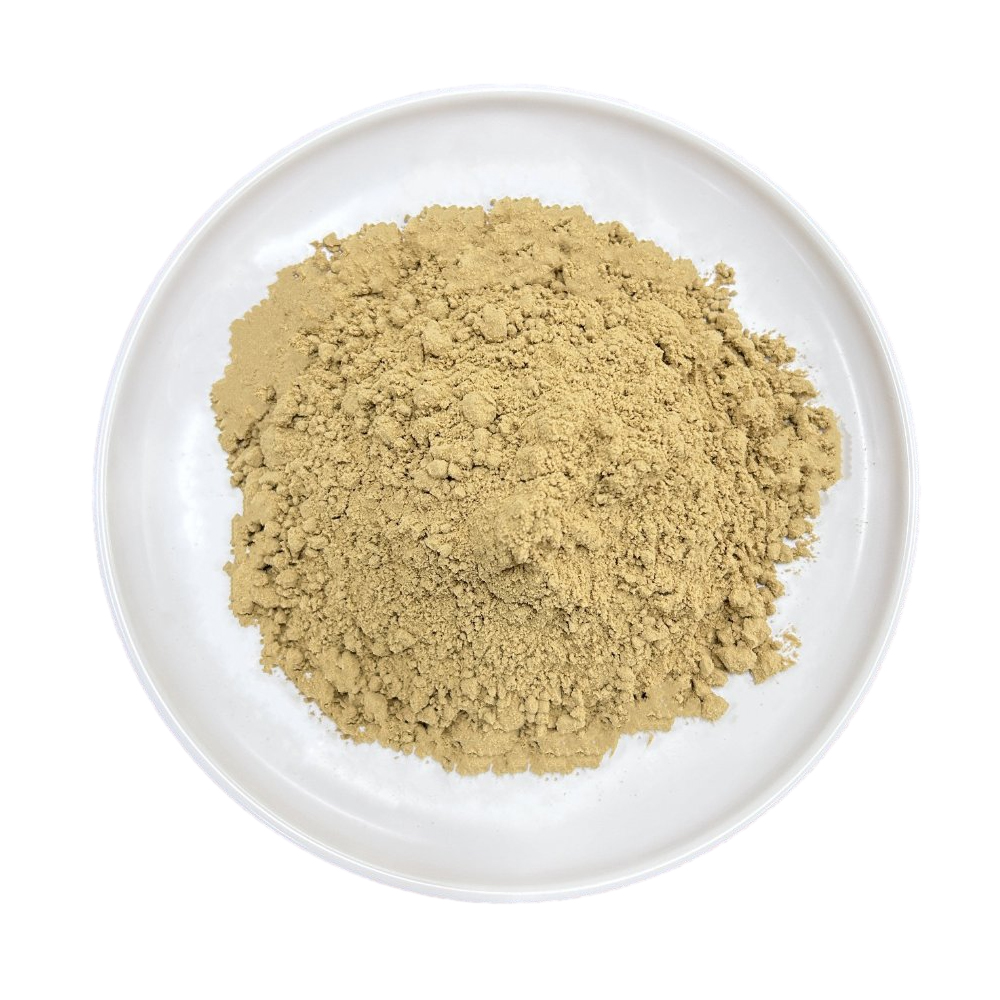
The gut acts as a primary immune barrier. It houses the Gut-Associated Lymphoid Tissue (GALT). When a pet eats intact proteins, the GALT scans them for potential threats. Food allergies trigger when this system misidentifies harmless food proteins as dangerous antigens. The body then launches a massive inflammatory attack. Enzymatic hydrolysis solves this exact problem beautifully.
The manufacturing process utilizes specialized enzymes. These enzymes cleave long, complex protein chains into microscopic peptides. They also create free amino acids. This cleavage systematically destroys the original antigen determinants. The immune system simply cannot recognize these tiny fragments. They slip past the GALT completely undetected. This evasion stops the allergic cascade before it ever begins. It allows the mucosal barrier to rest and repair.
Quality heavily depends on precise molecular weight. We measure this specific weight in Daltons. The Dalton metric serves as the ultimate quality standard in veterinary nutrition. Effective clinical solutions require an average molecular weight of 12,000 Daltons or less. Below this critical threshold, the protein becomes completely invisible to a hyperactive immune system. Many inferior commercial products claim to be hydrolyzed. However, they leave too many large chains intact. They might average 20,000 Daltons. These larger chains still trigger severe allergic reactions. Always demand the exact Dalton metric. It separates true medical-grade components from standard commercial ingredients.
Beyond evading immune detection, high-quality hydrolyzed poultry protein actively repairs the digestive environment. Intact proteins often digest poorly in compromised systems. They travel down into the lower colon intact. There, they ferment improperly. This putrefaction creates harmful, toxic byproducts. These toxins inflame the intestinal lining further. Conversely, micro-peptides absorb rapidly in the upper small intestine. They leave very little waste for the colon. Furthermore, the specific amino acid profiles fuel beneficial bacteria. These bacteria then produce vital short-chain fatty acids (SCFAs). SCFAs provide direct, essential energy to colonocytes. They repair the intestinal mucosal lining efficiently. They essentially heal the compromised gut from the inside out.
Proper administration strategy matters just as much as the product itself. You cannot rush the dietary transition. A sudden dietary shift often triggers osmotic diarrhea. The damaged digestive tract needs time to upregulate specific digestive enzymes. We highly recommend a strict 7-day phase-in strategy. This gentle approach mitigates sudden osmotic shifts in the gut lumen.
Follow this standard transition timeline:
Days 1-2: Introduce 25% of the new supplement alongside 75% of the old food.
Days 3-4: Increase to a 50/50 split between the new and old food.
Days 5-6: Move to 75% of the new supplement and 25% of the old food.
Day 7: Transition completely to 100% of the new regimen.
Common Mistake: Rushing this timeline frequently causes vomiting. It leads owners to falsely believe the new protein caused an allergic reaction. Always honor the full seven days.
During the initial diagnostic dosing phase, you must enforce strict elimination rules. You cannot cheat. All standard treats must stop immediately. You must halt flavored chewable medications. You must withhold all intact animal proteins strictly. Even a tiny crumb of regular cheese or chicken can contaminate the baseline. It resets the immune response completely. You must educate every family member about these absolute rules. Compliance determines your ultimate success or failure.
You might worry about poor appetite. Chronic gastrointestinal distress often makes pets refuse their food entirely. Fortunately, true hydrolysis solves this palatability issue naturally. The enzymatic process creates specialized short peptides. These peptides naturally release strong, attractive aromatic signals. They produce an intense savory scent known as umami. This rich aroma easily overcomes severe appetite loss. It also effectively masks the bitter taste of other functional active ingredients. If your formulation includes bitter botanicals or minerals, the poultry peptides will cover them up entirely. This ensures stress-free feeding times for both you and your pet.
You must set realistic clinical expectations. Magic overnight cures simply do not exist in veterinary nutrition. Healing requires consistent time and biological cellular turnover. Let us look at gastrointestinal improvements first. You will typically see stabilizing stool consistency within 14 to 21 days of strict feeding. Vomiting and excessive flatulence should also decrease significantly during this early window. The intestinal villi need these two to three weeks to regenerate fully. Strict adherence remains absolutely vital during this vulnerable period.
Dermatological responses require far more patience. Many companies make unrealistic quick-fix claims regarding skin and coat health. Do not believe these marketing tactics. The skin has a slow, natural cellular turnover rate. Due to this biological clock, outward signs of recovery take much longer. You will not see reduced pruritus (itching) immediately. Old, inflamed skin cells must shed completely. New, healthy cells must migrate to the surface. These visible changes require a firm 4 to 12-week commitment. You must maintain continuous supplementation without any interruption.
Senior pets face another unique challenge: sarcopenia. This age-related muscle loss requires high-density nutrition. However, aging digestive tracts struggle to break down heavy, intact proteins. They produce less stomach acid and fewer digestive enzymes. We can combat this issue directly. You can administer highly digestible Hydrolyzed Chicken Powder to seniors. It delivers easily absorbed amino acids straight to the muscles. It bypasses the need for heavy enzymatic breakdown entirely. It builds lean mass without overloading their fragile digestive system.
Below is a summary chart outlining clinical expectation timelines:
Clinical Condition / Symptom | Expected Stabilization Timeline | Underlying Biological Reason |
|---|---|---|
Soft Stool / Chronic Diarrhea | 14 to 21 Days | Gut mucosal barrier begins healing and local inflammation subsides. |
Chronic Itching / Pruritus | 4 to 12 Weeks | Skin cellular turnover takes roughly one month to clear old antigens. |
Age-Related Sarcopenia | 8 to 12 Weeks | Amino acid uptake slowly rebuilds depleted lean muscle mass. |
Not all commercial supplements meet strict clinical standards. You must carefully read product specifications. A credible brand will practice total transparency. Look for a stated maximum Dalton weight directly on the label or specification sheet. As established earlier, it should sit strictly below 12,000 Daltons. Do not accept vague marketing terms like "partially broken down." Furthermore, the brand should provide total digestibility percentages. You want to see an in vivo digestibility rate higher than 90%. High digestibility proves the enzymatic process worked correctly.
Next, assess the carbohydrate pairing critically. Cross-contamination ruins many elimination diets. High-tier supplements pair their proteins exclusively with highly purified, single-source carbohydrates. Common examples include purified corn starch or purified cassava. The rigorous purification process removes all intact plant proteins. It leaves only the simple starch behind. This ensures zero hidden plant allergens enter the body. If you see whole grain corn or raw soybean meal on the label, avoid the product. Those ingredients carry heavy, intact protein loads.
Finally, identify synergistic lipid additions. Compromised digestive systems struggle to process heavy animal fats. They cannot produce enough bile for complex fat breakdown. Look for supportive fat sources instead. Medium-Chain Triglycerides (MCTs) serve this specific purpose perfectly. Added coconut oil provides these valuable MCTs abundantly. The body absorbs MCTs directly into the portal vein. They deliver quick, easily utilized energy. They nourish the pet without straining the liver, pancreas, or gallbladder.
Use this evaluation checklist when vetting products:
Evaluation Criteria | Ideal Standard | Warning Signs to Avoid |
|---|---|---|
Molecular Weight | ≤ 12,000 Daltons | No Dalton weight listed; > 15,000 Daltons |
Protein Digestibility | > 90% Digestibility Rate | Undisclosed digestibility metrics |
Carbohydrate Source | Purified Starches (Cassava, Corn Starch) | Whole grains, raw soybean meal, wheat |
Fat Source | Medium-Chain Triglycerides (Coconut Oil) | Unfiltered animal fats, complex tallows |
You can elevate your pet's recovery through synergistic nutritional stacking. Combining proven ingredients builds a much stronger foundation for complete wellness. Hydrolyzed proteins serve as the pristine blank canvas. You can then add specific functional nutrients to accelerate mucosal healing safely.
Consider these three advanced stacking strategies:
Combining with Specific Prebiotic Fibers: We highly recommend stacking hydrolyzed proteins with targeted prebiotics. Psyllium husk and specialized fiber blends work exceptionally well. They build a strong foundational baseline for a healthy microbiome. These fibers feed the beneficial bacteria directly. As they ferment, they regulate stool moisture perfectly. This prevents both severe diarrhea and painful constipation during the healing phase.
Probiotic Considerations: The micro-peptides prepare the gut environment perfectly. They clear out inflammatory triggers. However, you must choose probiotics carefully to populate this clean environment. Generic bacterial counts mean very little. High CFU (Colony Forming Unit) numbers look impressive but often fail in practice. Any added probiotics must be strictly strain-specific. They must possess clinical outcome data proving their survival through harsh stomach acid. They must demonstrate real-world efficacy.
Addressing Urinary and Systemic Health: Long-term use requires careful systemic planning. Premium dietary plans utilizing these supplements balance mineral profiles strictly. They actively manage calcium, phosphorus, and magnesium levels. They maintain optimal urinary pH naturally. This active management prevents secondary complications. It stops issues like urolithiasis (urinary stone formation) from developing over months or years of continuous use.
You must orchestrate these elements thoughtfully. Do not haphazardly throw supplements together. Work with a veterinary professional to ensure the stack remains harmonious and safe.
Managing dietary sensitivities requires precision, patience, and high-quality ingredients. Your success ultimately relies on three core criteria. First, you must verify the molecular weight sits below the critical 12 kDa threshold. Second, you must strictly adhere to the established phase-in and evaluation timelines. Third, you must completely eliminate all outside antigens from the daily routine. By following these strict rules, you give the compromised immune system a genuine chance to reset completely.
Take proactive action today to support your pet's wellness journey. Start by auditing your current pet food labels for any hidden intact proteins or unpurified starches. Next, establish a firm 12-week trial calendar to monitor symptom progress accurately. Document every change in stool quality and scratching behavior carefully. Finally, consult your veterinary nutritionist. Ask them to validate your targeted regimen. Proper planning ensures a healthier, significantly more comfortable future for your pet.
A: Yes, you absolutely can. Enzymatic hydrolysis cleaves the long protein chains into microscopic pieces. The protein breaks down entirely below the threshold of immune recognition. Consequently, the body's immune system no longer registers these tiny fragments as "chicken." This unique process makes it perfectly safe for poultry-allergic pets.
A: Every pet requires a highly individualized approach. Proper administration amounts must scale directly with lean body mass and daily caloric requirements. Furthermore, you must factor in the specific severity of the gastrointestinal or dermatological condition being managed. A veterinary professional can help calculate your exact baseline requirements accurately.
A: The duration depends on your ultimate goal. A diagnostic elimination trial typically lasts 8 to 12 weeks to accurately clear old antigens. However, if your pet suffers from chronic conditions like Inflammatory Bowel Disease (IBD), lifelong nutritional management is usually required to maintain stability and prevent future flare-ups.


 phoebe@tdtbio.com
  +86-18972222769
 Haowangzhuang Town, Wucheng County, Dezhou City, Shandong Province, China