


Views: 0 Author: Site Editor Publish Time: 2026-02-05 Origin: Site


Clean-label sounds simple. Pets still demand strong smell and taste.
So we end up here. The Pet Food Palatant becomes the bridge.
It can lift first-bite interest. It can also trigger questions from buyers.
We will unpack it. We will keep it practical. We will keep it human.
We will also focus on Organic Pet Food Palatant decisions for clean-label formulas.
We define what a Pet Food Palatant really does.
We clarify organic vs natural vs “natural flavor.”
We show why brands still use palatants in clean-label lines.
We explain what counts as Organic Pet Food Palatant in practice.
We give a simple framework. It helps you decide fast.
| What readers want | What we solve | What it affects |
|---|---|---|
| Cleaner ingredient story | Clear term meaning | Trust, conversion, fewer complaints |
| Better intake | Palatability levers | Repeat purchase, fewer returns |
| Stable production | Application control | Uniform coating, stable quality |
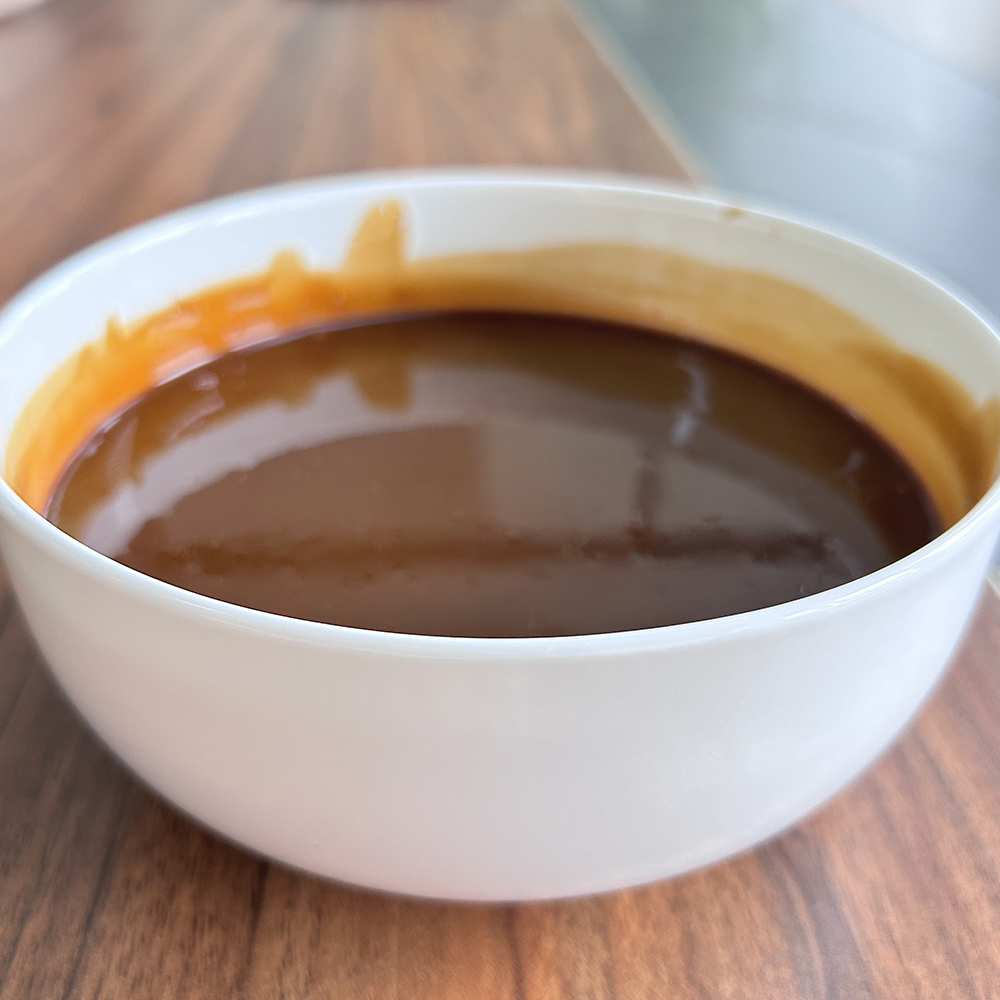
A Pet Food Palatant boosts aroma, taste, or both. It nudges the first bite.
Pets decide fast. They sniff first. They judge texture right after.
Brands use palatants for intake stability. They also use them for preference.
Dry kibble often uses surface coating. It lands after extrusion and drying.
Wet food often uses in-formula flavor support. Heat processing can mute top notes.
Treats vary a lot. Spray, tumble, bake-in. Each route changes the outcome.
Dry kibble: surface aroma drives “walk to bowl” behavior.
Wet food: taste persistence drives day-to-day acceptance.
Treats: instant payoff drives training value and repeat grabs.
One palatant never fits every matrix. Kibble structure changes release speed.
Fat level changes adhesion. It also changes aroma lift.
Moisture changes volatility. Storage changes oxidation. So results shift.
| Format | Typical use | Why teams like it | Common failure |
|---|---|---|---|
| Liquid | Kibble coating, moist treats | Strong aroma impact, good coverage | Greasy bag feel, oxidation risk |
| Powder | Dry treats, some kibble | Easy handling, good storage | Dusting, uneven distribution |
| System blend | Cat vs dog targets | Balanced smell plus taste | Spec complexity, supply planning |
These terms sound close. In practice, they behave very differently.
Clean-label teams should define them early. It saves months of debate.
Shoppers want fewer “mystery” terms. They want familiar ingredient names.
They also react to vague wording. “Flavor” can feel like a cover.
So we translate label language into real meaning. It reduces risk.
| Term | How buyers read it | What it often signals | Risk level |
|---|---|---|---|
| Organic | Verified sourcing | Certified inputs, audited chain | Low, if docs stay clean |
| Natural | Less “artificial” | Non-synthetic origin, allowed processing | Medium, many interpretations |
| Natural flavor | Vague enhancer | Proprietary blend, limited detail | High, trust gap risk |
| Pet Food Palatant | Functional helper | Aroma and taste support system | Medium, needs explanation |
Organic can describe one ingredient. It can also describe a full blend line.
Some suppliers certify each input. Others certify only select components.
So we ask for scope clarity. We also ask for carrier disclosure.
Which component carries organic status?
Which carrier ingredients sit inside the blend?
Which trace steps protect chain integrity?
Sometimes it is marketing. Sometimes it is survival for acceptance.
Most teams see three drivers. They often overlap.
Organic claims can justify price. They also signal care.
It helps farm-to-bowl storytelling. It helps shelf impact too.
Shoppers want named sources. They distrust broad “flavor” terms.
Organic inputs can read cleaner. Yeast notes. Broth notes. Liver notes.
It also helps internal alignment. Teams defend choices faster.
Clean-label formulas can lose strong taste drivers. Salt reductions happen.
Lean proteins reduce aroma. Novel proteins add new off-notes.
So an Organic Pet Food Palatant can bridge the gap. It keeps intake stable.
Limited-ingredient diets can taste flat. They need lift.
High-fiber recipes can mute aroma release. They need support.
Functional actives can add bitterness. They need masking.
Organic status follows inputs plus handling rules. It depends on documentation.
So we focus on source type, processing path, certificate scope.
Organic yeast derivatives: savory signal, good label readability.
Organic broth concentrates: aroma lift, fast acceptance response.
Organic meat or liver ingredients: strong taste cue, great species fit.
Organic plant extracts: niche support, careful palatability testing.
Some flavor systems rely on non-certified carriers. Some use processing aids.
Some steps rely on inputs outside certification scope. Docs break. Claims wobble.
So ask for full specs. Ask for trace. Ask for change control.
| Item type | Why it can miss organic goals | Practical move |
|---|---|---|
| Proprietary “flavor” blend | Opaque inputs, unclear carriers | Request named components, certificate scope |
| High-impact reaction flavor | Process inputs often lack certification | Shift to certified fermentation-driven notes |
| Non-certified carrier system | Chain integrity breaks in blends | Set carrier rules in specs |
Organic certificate exists. Scope matches your claim goal.
Carrier ingredients disclosed. Plain names, not vague labels.
Processing path clear. You can defend it to auditors.
Lot trace ready. You can track back fast.
Performance sounds simple. Pets eat or refuse. Real life adds noise.
Dogs chase aroma. Cats judge texture, then aroma, then keep judging.
So we measure more than “they liked it.” We track preference and intake.
First-choice rate: which bowl they pick first.
Intake ratio: how much they eat vs control.
Repeat acceptance: day 1 vs day 7 trends.
Owner signals: odor, grease feel, bowl residue, breath note.
Matrix matters. Kibble cell structure traps volatiles. Fat shifts release.
Moisture shifts volatility. Storage shifts oxidation. So the same palatant shifts too.
| Factor | What it changes | What you might notice | Fix idea |
|---|---|---|---|
| High dryer temp | Top notes fade | Good taste, weak smell | Adjust timing. Add late-stage aroma note. |
| Low surface fat | Coating adhesion | Dusty bag, uneven acceptance | Change carrier. Improve spray pattern. |
| Long storage | Oxidation, rancidity | Stale odor, weaker preference | Upgrade barrier pack. Improve antioxidant plan. |
“Worth it” depends on your goal. We can sort it in four tight steps.
Boost first-bite aroma for picky pets.
Improve long-term acceptance for daily feeding.
Mask bitter notes from minerals, botanicals, functional actives.
Support premium clean-label positioning.
Pick one primary job. Add one secondary job. More goals create confusion.
Price per kg lies. Inclusion rate tells the truth.
Also add hidden costs. Rework. Returns. Weak repeat rates. They hurt more.
| Cost lens | What it misses | Better view |
|---|---|---|
| $/kg ingredient | Usage rate, process loss | $/ton finished food |
| Lowest bid | Lot variation | Acceptance stability across lots |
| Short test win | Week 2 refusal | Repeat acceptance curve |
Organic claims need paperwork. Clean-label promises need consistency too.
Ask for certificate scope. Ask for carrier disclosure. Ask for trace.
Organic certificate, scope, site.
Full spec sheet, micro, moisture, ash, fat.
Allergen statement, cross-contact plan.
Country of origin, lot trace detail.
Pick two palatability KPIs. Pick one process KPI. Keep it tight.
Palatability KPI: intake ratio at or above target.
Palatability KPI: first-choice rate at or above target.
Process KPI: coating uniformity, dust loss under limit.
Testing fails when variables pile up. So we isolate them.
Change one thing. Keep the rest stable. Repeat across lots.
Bench sensory: odor check, grease feel, dust check.
Pilot run: verify adhesion, confirm line behavior.
Short palatability: 1–3 days, fast screen.
Repeat palatability: 7–14 days, real signal.
Shelf study: aroma fade, off-note rise.
| Test type | Best for | Weak spot |
|---|---|---|
| Two-bowl | Preference signal | Less real-world feeding context |
| One-bowl | Acceptance, intake realism | Slower differentiation |
Changing fat level plus palatant. Data turns muddy.
Dirty bowls. Residual odor biases results.
Too few animals. Variance hides real gains.
Only day 1 data. Day 7 often flips.
Some shoppers hate the idea of palatants. Even organic ones.
So messaging matters. Ingredient naming matters. Transparency matters.
People assume palatants hide low-quality inputs. Trust drops fast.
Fix it via story. Show base ingredient quality. Explain the function in plain terms.
Organic inputs vary by season. Aroma strength can shift.
So you need sensory standards. You need acceptance guardrails.
Palatant systems can add sodium, phosphorus, protein, ash. It depends on source.
So model contributions. Keep label targets steady.
| Risk | Typical trigger | What to monitor |
|---|---|---|
| Sodium creep | Savory broth-style systems | Na per 1000 kcal, stool shift |
| Oxidation | Marine notes, fat-rich carriers | Odor panel, rancidity markers |
| Mineral drift | Concentrates, protein-rich inputs | Ash, phosphorus, Ca:P ratio |
Supplier questions save months. Ask them early. Ask them often.
Organic certificate. Ingredient scope, site scope.
Lot trace system. Farm, processor, blend site.
Carrier disclosure. Plain names, key components.
Micro specs. Pathogen plan, yeast mold limits.
Shelf guidance. Storage, best-by rationale.
Recommended inclusion rate per format. kibble, wet, treats.
Heat tolerance notes. extrusion, drying, baking, retort.
Adhesion tips. spray pressure, drum speed, order.
Compatibility notes. fats, emulsifiers, functional actives.
MOQ and lead time. lot sizes, safety stock.
Seasonality plan. buffer strategy for harvest swings.
Change control. notice window for spec shifts.
Dry kibble wins or loses in the coating step. It is the leverage point.
So we control temperature, fat level, spray pattern, mixing time.
Check kibble temperature before coating. Too hot, aroma fades.
Control surface fat. Too low, adhesion drops. Too high, greasy bags.
Confirm coverage. Uneven coating creates picky behavior.
Wet food needs taste persistence. Aroma still matters. Thermal steps can mute it.
So pick stable notes. Run retort simulation checks. Smell the opened can too.
Run odor checks at day 0 and day 30.
Check separation risk. some systems shift emulsion stability.
Track headspace odor. owners judge it first.
Treats need instant payoff. It builds training value. It builds repeat buying.
Surface application helps. Internal flavor helps too. Pick your priority.
Powder systems reduce mess. Great for dry treats.
Liquid systems boost aroma. Great for soft chews.
Balance grease feel. Human hands notice it fast.
It shines in premium clean-label lines. It also shines in tricky formulas.
Here are common “yes” cases. You will recognize them.
Premium positioning needs credible organic inputs.
Limited-ingredient recipes taste flat. They need lift.
Novel proteins need off-note masking.
Reduced salt recipes need aroma support.
Functional blends add bitterness. pets push back.
Sometimes performance matters more than label optics. It happens.
Sometimes supply stability is the real risk. It happens too.
Therapeutic feeding depends on intake. Refusal is not acceptable.
Value-tier targets cap cost-in-use. Organic may break it.
Global supply swings threaten consistency. Flexibility matters.
| Scenario | Main constraint | Practical move |
|---|---|---|
| Medical intake critical | Zero refusal tolerance | Choose proven high-performance palatant system |
| Cost ceiling tight | Margin risk | Use a hybrid plan. move organic claim elsewhere |
| Supply volatility | Lot variation | Dual-source plan, strict change control |
Not automatically. It signals sourcing rules. Nutrition depends on the full formula.
Maybe. Cats often need texture wins too. So test texture plus palatant together.
No. “Natural flavor” is a label term. Pet Food Palatant describes function.
Any ingredient change can. Start low. Monitor stool. Watch refusal signals.
Start from your goal. Then match it to format, process heat, shelf plan.
Changing too many levers at once. Fat level, protein source, palatant. Chaos.
Organic Pet Food Palatant can be worth it. It can also waste budget.
So we decide using goals, KPIs, cost-in-use, claim risk, supply realism.
If you want clean-label trust plus stable intake, it often fits well.
If you need maximum performance or ultra-stable lots, you may choose another path.
Pick a single palatant job first.
Measure intake plus repeat acceptance.
Model nutrient contribution. Keep targets steady.
Lock documentation. Keep trace ready.
Plan shelf life. Prevent oxidation, odor drift.
 phoebe@tdtbio.com
  +86-18972222769
 Haowangzhuang Town, Wucheng County, Dezhou City, Shandong Province, China
