

Views: 0 Author: Site Editor Publish Time: 2026-09-23 Origin: Site


Formulating multiphase wet pet foods—specifically chunk and gravy formats—presents unique thermodynamic and chemical challenges compared to standard dry kibble production. Manufacturers must determine the precise phase to introduce a pet food palatant to maximize acceptance without compromising structural integrity, retort stability, visual appeal, or cost-in-use. You can integrate it into the formed meat chunk, suspend it in the surrounding gravy, top-load it directly into the container, or utilize a combination of these methods. This guide provides a technical evaluation of palatant application points. We compare phase-specific integration, format selection between liquid and powder, and the processing realities required to scale production effectively. You will learn how to manage moisture migration, prevent thermal degradation during retort sterilization, and optimize your dosing systems for consistent flavor delivery across every batch.
Phase-Specific Functionality: Adding palatants to the gravy drives immediate aroma release and "first bite" acceptance, while integration into the chunk ensures sustained flavor delivery throughout the meal.
Standardizing Variability: Even though wet foods possess high inherent palatability, strategic palatant application is critical for masking novel ingredients and standardizing flavor across variable raw meat batches.
Format Dictates Application: Powder formats are typically better suited for the meat emulsion (chunk) due to moisture management, whereas liquid formats integrate seamlessly into the gravy matrix or as a direct-to-can injection.
Thermal Degradation Risks: Retort processing alters flavor profiles; strategic placement of the palatant can protect volatile compounds from heat degradation.
Cost-in-Use Optimization: Dual-phase application yields the highest palatability for premium lines, but targeted single-phase application can meet economy-tier success criteria with lower inclusion rates.
Wet formats naturally contain high moisture and inherent meat flavors, which generally appeal to animals. However, raw material batches vary significantly throughout the production year. Animal by-products change based on seasonal slaughter schedules, regional sourcing shifts, and rendering plant variations. A batch of poultry viscera processed in July behaves and tastes differently than one processed in December. We use palatants to standardize these fluctuating flavor profiles. This ensures sensory consistency across different production runs, so the pet experiences the exact same meal every time the owner opens a can.
Formulators also rely heavily on flavor application to mask off-notes. Modern pet food often incorporates novel, alternative, or plant-based proteins to meet specific nutritional targets or sustainability goals. Ingredients like pea protein isolate, potato protein, or black soldier fly larvae introduce earthy, bitter, or astringent tastes. Strategic flavor application neutralizes these unwanted sensory inputs. By layering specific savory or umami notes over the base formula, you create a uniform and highly acceptable experience for the animal.
Success in wet food palatability involves two distinct sensory metrics. Initial aroma attraction grabs the pet owner's attention first and sparks the pet's immediate interest upon opening the container. This "first sniff" is heavily reliant on volatile compounds escaping the food matrix and reaching the animal's olfactory receptors. If the food lacks this initial aromatic punch, the pet may walk away before even tasting it.
Sustained consumption matters just as much for nutritional adequacy. This metric ensures total caloric intake over the entire meal. While aroma gets the pet to the bowl, deep savory notes and mouthfeel keep them eating until the bowl is empty. Both factors dictate repeat purchases and brand loyalty. Formulators must balance highly volatile aromas for the initial interaction with stable, long-lasting flavor compounds for continued eating behavior.
Dry kibble manufacturing relies heavily on external vacuum-coating or top-coating inside an enrobing drum. The low moisture content of kibble allows fats and liquid digests to adhere to the surface easily. Wet food demands a completely different manufacturing approach. It requires internal matrix integration or precise container dosing. The high moisture environment—typically 75% to 85% water—prevents simple surface coating techniques.
Flavors in wet food must survive the rigorous canning or pouching process. They must integrate into the food matrix without causing phase separation or emulsion breakdown. When you add a flavor to a wet system, you are altering the ionic balance, pH, and water activity of the entire formula. This requires a deep understanding of food physics and chemistry to prevent the product from degrading during its shelf life.
Managing two physical states creates significant formulation complexity. You have a solid meat emulsion (the chunk) and a viscous liquid (the gravy) existing together within a single sealed environment. The meat chunk is a complex matrix of denatured proteins, fats, and bound water. The gravy is typically a hydrocolloid suspension designed to hold specific viscosity parameters.
Introducing flavors can cause cross-phase instability if done incorrectly. Formulators must prevent the flavor from breaking the gravy emulsion. If a palatant contains high levels of salt or specific acids, it can interfere with the hydration of gums like guar or xanthan, causing the gravy to thin out or separate. Similarly, you must protect chunk firmness. If the palatant interferes with myofibrillar protein extraction during mixing, the chunks will fail to set properly in the steam tunnel, leading to an unappealing, mushy product.
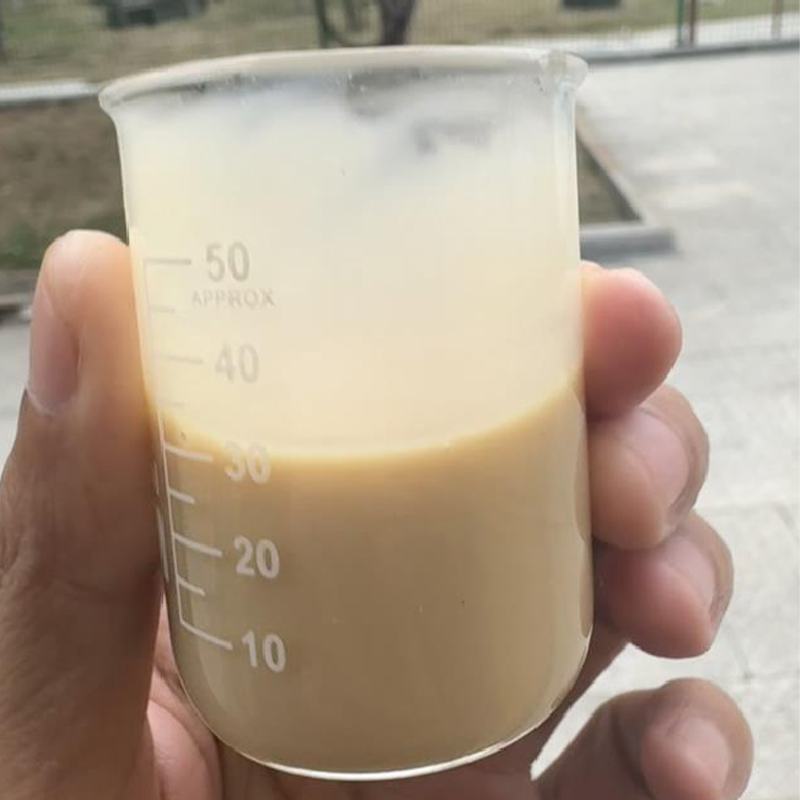
Gravy application delivers high volatility for immediate sensory impact. It creates rapid aroma release upon opening the can or pouch, as the flavor compounds are not locked inside a dense protein matrix. Flavor dispersion happens quickly throughout the liquid phase, coating the chunks and providing a strong initial taste. This phase is ideal for a wet food liquid palatant. It requires precise calculation of gravy viscosity and flow rates to ensure the flavor remains suspended evenly.
Suspension agents like guar gum, xanthan gum, or carrageenan are necessary when dosing into the gravy. They prevent separation and maintain a uniform appearance over time. However, implementation carries specific processing risks. Thermal degradation during the retort process is highly likely because the gravy heats up faster than the dense chunks. High gravy-to-chunk ratios risk severe flavor dilution, requiring higher inclusion rates to achieve the desired palatability.
Aesthetic impacts require careful monitoring during development. Highly concentrated, dark liquids can cause unwanted gravy cloudiness. They might darken clear or light gravy systems unexpectedly, turning a visually appealing golden broth into a muddy brown liquid. This negatively impacts the human visual appraisal of the product, which is a major driver of consumer satisfaction.
Chunk integration drives continued eating behavior effectively. It works well after the pet consumes the initial gravy layer, providing a secondary flavor release as the animal chews. This method effectively masks bitter notes from functional ingredients. Vitamin premixes, trace minerals, or novel proteins often need masking directly within the meat matrix where they are concentrated. Formulators mix the flavor directly into the raw meat slurry prior to extrusion, setting, and final cutting.
Aroma release upon opening is noticeably delayed with this method. The flavor remains locked inside the dense chunk structure until mechanical breakdown (chewing) occurs. Interference with meat protein binding is a potential manufacturing risk. Palatants can compete for available water or alter the pH of the meat slurry. This can negatively impact chunk texture formation and overall firmness during the gelation phase in the steam tunnel.
Formulators must adjust binder levels—such as wheat gluten, plasma, or soy protein isolate—to compensate for the added flavor. This ensures the chunk survives the mechanical stress of mixing, pumping, and cutting without disintegrating into a fine paste.
Top-loading maximizes the critical "first sniff" impact. It concentrates the flavor at the top of the food mass, right under the lid or pouch seal. This occurs just before the container is permanently sealed. This method utilizes highly volatile liquids for maximum effect. You dose them directly onto the surface of the mixture immediately prior to the seaming or sealing stage.
High-speed, high-precision dosing equipment is absolutely mandatory for this application. It prevents splashing and subsequent seal contamination. If liquid flavor splashes onto the flange of a can or the seal area of a pouch, it compromises the hermetic seal. This leads to micro-leaks, loss of commercial sterility, and eventual product spoilage.
Inconsistent application rates across the production line remain a primary risk. Equipment must handle viscous liquids without clogging, dripping, or stringing between doses. Regular calibration of the dosing nozzles is necessary to maintain accurate inclusion rates at line speeds that often exceed 500 containers per minute.
Dual-phase application creates highly synergistic flavor layering. You might combine a liquid cat food palatant in the gravy with a complementary powder in the chunk. This hits multiple sensory receptors simultaneously during the meal. The liquid provides the immediate olfactory stimulation, while the powder delivers sustained umami and savory notes during mastication.
This approach targets ultra-premium formulations and therapeutic diets where maximum intake is required. Highly finicky demographics benefit greatly from this complex sensory stimulation. Senior cats, for example, often suffer from diminished olfactory function and require this level of intense flavor layering to maintain healthy caloric intake.
Trade-offs include significantly higher formulation complexity. You need dual dosing systems operating simultaneously on the production line. This increases overall manufacturing difficulty, capital expenditure, and quality control requirements. Inventory management becomes more complex due to multiple flavor SKUs. However, the resulting palatability often justifies the added operational friction for high-margin products.
Application Point | Primary Sensory Benefit | Manufacturing Risk | Ideal Format | Equipment Required |
|---|---|---|---|---|
Gravy Phase | Immediate aroma release and rapid flavor dispersion. | Thermal degradation and potential gravy discoloration. | Liquid | High-shear inline mixers, jacketed holding tanks. |
Chunk (Meat Emulsion) | Sustained consumption and effective ingredient masking. | Delayed aroma release and protein binding interference. | Powder | Ribbon blenders, loss-in-weight dry feeders. |
Top-Loading | Maximized "first sniff" impact upon opening. | Seal contamination and inconsistent dosing rates. | Liquid | High-speed volumetric piston fillers, synchronized nozzles. |
Dual-Phase | Synergistic flavor layering for maximum acceptance. | High formulation complexity and increased cost-in-use. | Liquid + Powder | Combination of dry feeders and fluid dosing systems. |
Liquids blend seamlessly into aqueous gravy systems. They are ideal for high-speed top-loading applications because they can be pumped and metered with extreme precision. You achieve uniform distribution without frustrating clumping issues that sometimes plague dry ingredients. Liquid formats integrate easily into existing fluid handling systems, requiring minimal shear to disperse evenly throughout the gravy matrix.
Species-specific considerations dictate the flavor profile selection. A liquid dog food palatant delivers robust, meaty aroma profiles heavily reliant on Maillard reaction products and specific fatty acids. Dogs respond strongly to these volatile compounds. Conversely, feline formulas target specific amino acid receptors. They require highly concentrated liquid profiles rich in specific peptides and nucleotides to stimulate feline senses.
Handling requires specialized equipment on the factory floor. Jacketed, heated tanks and continuous agitation are necessary to prevent phase separation within the palatant itself before it even reaches the food. Specialized pumping systems, such as positive displacement pumps, maintain homogeneity and prevent aeration before the injection stage. Aeration in the liquid lines can lead to inconsistent dosing volumes.
Storage of liquid formats also requires strict temperature control. If stored too cold, the fats within the liquid may solidify, causing blockages in the transfer lines. If stored too hot, volatile compounds flash off prematurely, reducing the efficacy of the flavor before it enters the product.
Powders do not add excess moisture to the meat slurry. This is a critical advantage when formulating chunks, as excess water dilutes the binding proteins and weakens the final structure. Powders aid in maintaining structural integrity during extrusion through the die plates. The formed chunk retains its desired firmness and shape as it passes through the steam setting tunnel.
Powders absorb free water, acting as a secondary binding agent. This improves the overall texture of the final meat chunk, making it more meat-like and less spongy. Feline formulations benefit greatly from specific powder profiles. A powder cat food palatant delivers concentrated umami and sour notes directly into the dense protein matrix, providing a sustained flavor release as the cat chews.
Powders offer easier shelf-life management in the warehouse compared to liquids. Transport logistics are generally simpler and less temperature-sensitive, reducing freight costs. However, precise dry-dosing equipment is critical for accurate application. You must use loss-in-weight feeders to prevent dusting and ensure even distribution in the industrial mixer. Poor mixing leads to flavor hot-spots, where some chunks are heavily flavored while others remain bland.
Hygroscopicity is the main handling challenge with powders. If exposed to high humidity in the processing plant, powders will absorb moisture from the air, clump together, and bridge inside the feeding hoppers. Climate-controlled storage and sealed transfer systems are necessary to maintain flowability.
Format | Storage Requirements | Handling Challenges | Optimal Application Phase |
|---|---|---|---|
Liquid | Temperature-controlled tanks (typically 20-30°C). | Requires continuous agitation; risk of line blockages if fats solidify. | Gravy, Top-Loading |
Powder | Dry, low-humidity environment to prevent clumping. | Dust generation; bridging in hoppers; requires loss-in-weight feeders. | Meat Emulsion (Chunk) |
Standard retort temperatures easily hit 121°C (250°F) to achieve commercial sterility. This intense heat impacts Maillard reaction compounds significantly. Volatile fatty acids and delicate sulfur compounds within the flavor profile often degrade rapidly under these conditions. The sterilization process inevitably alters the intended sensory experience, sometimes muting the flavor or creating off-notes.
Formulators must account for this inevitable thermal shock. The F0 value—the measure of lethality delivered to the product—dictates how long the food remains at peak temperature. Static retorts heat the product slower, meaning the outer edges of the can experience longer heat exposure, leading to uneven flavor degradation. Rotary retorts agitate the cans, allowing for faster heat penetration and better overall flavor retention.
Phase placement offers varying levels of heat protection. Flavors embedded within the chunk matrix experience slightly lower thermal shock. The dense meat acts as an insulating barrier, protecting the internal flavor compounds. They survive better than those suspended freely in the gravy or sitting on the surface from top-loading.
Mitigation strategies exist to combat this heat degradation. Overdosing the palatant accounts for expected flavor loss during retort. Selecting retort-stable formulations specifically designed by flavor houses minimizes viscosity breakdown and appearance changes post-processing. These specialized flavors use encapsulated compounds or robust precursors that actually develop their final flavor profile during the retort heating phase.
Moisture and water-soluble compounds migrate continuously over time inside the sealed container. This dynamic shifts between the chunk and the gravy throughout a standard 12-to-24-month shelf life. The product changes chemically while sitting on the store shelf. Formulators must predict these long-term equilibrium shifts accurately to ensure the product looks and tastes the same at month 12 as it did at month one.
Water activity (Aw) drives this migration. If the meat chunk has a higher water activity than the surrounding gravy, water will move out of the chunk and into the gravy. This takes water-soluble flavor compounds with it, depleting the chunk's flavor and potentially thinning the gravy. Conversely, if the gravy has higher water activity, it will migrate into the chunk, causing the chunk to swell and become mushy.
Osmotic balance is critical for maintaining product aesthetics. The salt, mineral, and sugar content of the palatant must remain perfectly stable within the chosen phase. Imbalances cause the meat chunk to shrink over time. They can also cause the gravy emulsion to break completely. This leads to syneresis, where free water separates from the hydrocolloid matrix, creating an unappealing watery layer on top of the food.
Equipment requirements vary drastically by the chosen format and application point. Liquids require highly accurate mass flow meters to ensure the exact gram weight is added to every batch of gravy. Powders need precise loss-in-weight feeders to prevent under-dosing or over-dosing in the meat mixer. Top-loading demands high-speed surface dosers synchronized perfectly with the seamer to avoid splashing.
Capital expenditure increases significantly when implementing dual-phase application strategies. You must purchase, install, and maintain two separate dosing systems. Plant operators must be trained on both systems, and maintenance schedules become more complex.
Quality control protocols must be rigorous and continuous. Inline testing verifies correct inclusion rates during active production. This must happen before the canning or pouching stage. Post-retort testing confirms the flavor survived the thermal process and that the physical parameters (viscosity, chunk firmness) remain in spec.
To ensure dosing accuracy, operators must follow strict calibration procedures:
Perform daily catch tests on liquid dosing nozzles to verify gram weight per dose.
Calibrate load cells on powder feeders weekly to account for vibration drift.
Monitor inline mass flow meters against actual tank depletion rates to identify pump wear.
Conduct visual inspections of container flanges every hour to check for top-load splashing.
Gravy inclusion typically runs at lower percentages relative to the total formula. Because the gravy coats the outside of the chunks, the flavor is immediately available to the pet's palate. Chunk inclusion often requires double the volume to achieve similar initial acceptance results because much of the flavor is trapped inside the meat matrix.
The economic differences between these rates are significant at scale. Consider a formula that is 50% chunk and 50% gravy. A 2% inclusion in the gravy phase equals a 1% total formula inclusion. A 2% inclusion in the chunk phase also equals a 1% total formula inclusion. However, if your product is 40% gravy and 60% chunk, adding flavor to the chunk becomes more expensive. Formulators must calculate the cost-in-use based on the specific application point and the chunk-to-gravy ratio.
Optimizing this ratio ensures the product remains economically viable while hitting palatability targets. Over-flavoring the chunk wastes money if the pet is already satisfied by the gravy. Under-flavoring the gravy risks the pet rejecting the food entirely upon the first sniff.
Economy lines favor a single application point strategy to keep manufacturing costs low. Placing the flavor entirely in the gravy offers the highest immediate impact for the lowest cost. Top-loading also provides excellent results for budget-conscious formulations. It requires the absolute lowest inclusion rate to achieve acceptable initial palatability, as 100% of the flavor is concentrated at the point of opening.
Mid-tier products use a balanced, single-phase approach. They often place a high-quality powder flavor directly into the chunk to ensure sustained consumption and mask cheaper protein sources. The gravy remains a standard savory base without added premium palatants, relying on the natural meat juices released during retort to flavor the liquid.
Premium and ultra-premium formulations demand complementary dual-phase application. This maximizes palatability across all sensory metrics, from the first sniff to the final bite. It justifies the higher retail price point through superior animal acceptance, ensuring the pet owner sees immediate and enthusiastic consumption.
The optimal application point depends on your specific product goals. Target species, product tier, and thermal processing parameters dictate the strategy. Gravy and top-load applications win for immediate aroma release and cost efficiency. Chunk application wins for sustained consumption, structural integrity, and ingredient masking. Dual-phase application provides the ultimate sensory experience for premium lines.
Formulators must balance the physical realities of moisture migration and retort degradation with the economic realities of inclusion rates. Follow these actionable steps to optimize your multiphase wet food formulations:
Initiate pilot-scale retort testing using both static and rotary profiles to measure flavor degradation and visual impact accurately.
Conduct two-bowl palatability trials comparing chunk-only, gravy-only, top-loaded, and dual-phase prototypes to identify the most cost-effective application point.
Calibrate mass flow meters and loss-in-weight feeders daily to ensure precise dosing accuracy and prevent batch-to-batch variability.
Evaluate the osmotic balance and water activity between the chunk and gravy over a 12-week accelerated shelf-life study to prevent long-term syneresis.
Audit your fluid handling systems to ensure jacketed tanks and positive displacement pumps are maintaining liquid palatant homogeneity without aeration.
A: Raw meat batches vary significantly in flavor due to seasonal changes, rendering processes, and sourcing. Palatants standardize the flavor profile, ensuring sensory consistency across all production runs. They also effectively mask bitter or earthy off-notes from added vitamins, trace minerals, or novel alternative proteins.
A: Palatants must be added before the retort process in wet food manufacturing. Because retort sterilization requires the container to be hermetically sealed beforehand, the flavor must be integrated into the chunk, mixed into the gravy, or top-loaded prior to seaming.
A: Highly concentrated liquid palatants can thin out the gravy by disrupting hydrocolloid hydration or cause unwanted darkening. Formulators must use appropriate suspension agents like guar or xanthan gum to maintain viscosity and select lighter-colored flavors to preserve visual clarity.
A: Powders are generally superior for meat chunks. They do not add excess moisture to the meat slurry, which helps maintain the structural integrity, protein binding, and firmness of the formed chunk during extrusion and steam setting.
A: The intense heat of the retort sterilization process causes severe degradation. Temperatures reaching 121°C (250°F) break down volatile fatty acids and alter delicate Maillard reaction compounds, significantly reducing the overall sensory impact of the flavor.
A: Yes. If high-speed dosing equipment is not calibrated correctly, liquid flavors can splash onto the flange of the can or the seal area of the pouch. This contamination compromises the hermetic double seam, leading to micro-leaks and eventual product spoilage.


 phoebe@tdtbio.com
  +86-18972222769
 Haowangzhuang Town, Wucheng County, Dezhou City, Shandong Province, China