

Views: 0 Author: Site Editor Publish Time: 2026-01-05 Origin: Site


As more pet owners focus on the nutritional needs of their pets, especially those with sensitivities, hydrolyzed protein has become an increasingly popular choice for pet diets. This specially processed protein offers significant benefits for pets with food allergies, gastrointestinal issues, and overall sensitivities. By breaking down the protein into smaller fragments, hydrolyzed proteins are easier to digest and less likely to cause adverse immune responses. At TDT BIO, we provide high-quality hydrolyzed proteins designed to improve your pets' health and digestion. In this article, we will explore the various benefits of hydrolyzed protein in pet nutrition, focusing on its role in better digestibility, allergy management, gut health, and more, while meeting the growing demand for functional pet foods.
Hydrolyzed protein is created through the process of hydrolysis, which breaks down larger protein molecules into smaller peptides. This breakdown makes the protein easier to digest and absorb by the pet's digestive system, which is especially beneficial for pets with sensitive stomachs or compromised digestion.
For pets with food sensitivities or gastrointestinal issues, traditional protein sources—such as beef, chicken, or lamb—can be harder to digest, leading to discomfort, diarrhea, or vomiting. Hydrolyzed protein, on the other hand, helps alleviate these issues. By reducing the protein molecules into smaller units, it minimizes the work required from the digestive system, leading to smoother digestion and fewer digestive problems.
Moreover, hydrolyzed proteins are easier for the body to absorb, ensuring that pets get the essential amino acids and nutrients from their food. This is particularly beneficial for pets recovering from illness or surgery, as they often require a more easily digestible source of protein to regain strength and health.
Digestive comfort is a primary reason why veterinarians often recommend hydrolyzed protein diets for pets. These diets provide a more gentle option for pets with chronic conditions like inflammatory bowel disease (IBD) or pancreatitis. Additionally, hydrolyzed proteins support the proper functioning of the gastrointestinal tract, leading to improved nutrient absorption and better overall health.
One of the most significant benefits of hydrolyzed protein is its role in managing food allergies and sensitivities. Many pets suffer from food allergies that lead to skin irritation, digestive distress, or other uncomfortable symptoms. These allergies are typically caused by proteins that the pet’s immune system recognizes as harmful, triggering an immune response. For example, many pets are allergic to proteins such as chicken, beef, or fish.
By breaking down the protein into smaller components, hydrolyzed proteins make it less likely that the immune system will recognize the protein as an allergen. This process reduces the risk of allergic reactions, providing relief for pets suffering from food-related allergies. Hydrolyzed protein diets are often used in veterinary practice to manage pets with suspected food allergies or sensitivities, and they are recommended as a first-line treatment for pets with chronic skin problems, such as itching or rashes caused by food allergies.
For pets with sensitive immune systems, hydrolyzed proteins help minimize the occurrence of allergic reactions. This is crucial for pets that have ongoing allergic reactions to certain protein sources, as it allows them to continue eating a nutritious diet without the discomfort associated with food allergies.
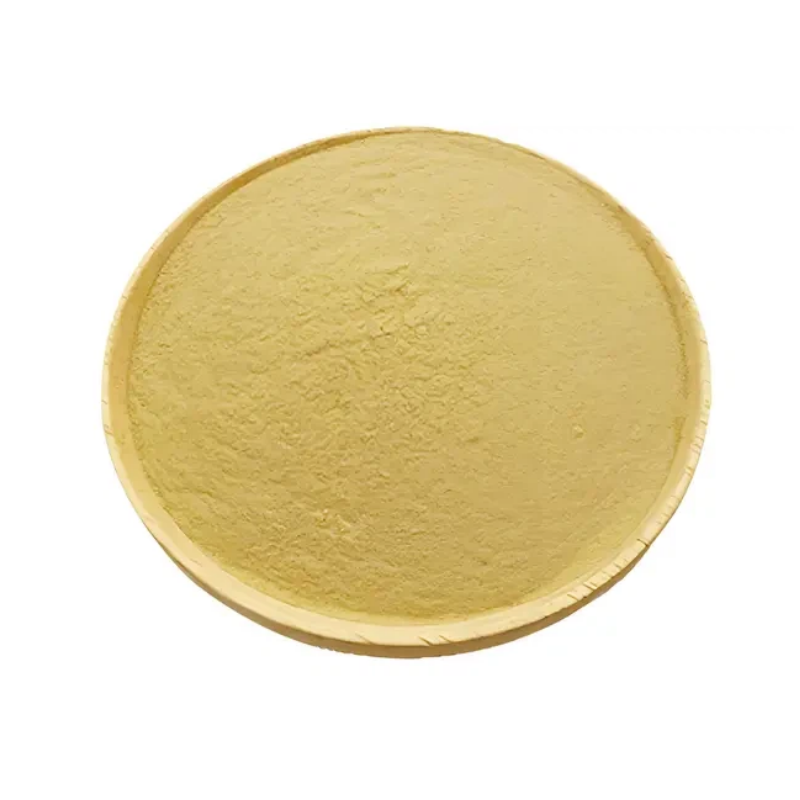
The gut is a crucial organ responsible for digesting food, absorbing nutrients, and supporting the overall immune system. Hydrolyzed protein has significant benefits for pets with compromised digestive systems, particularly those suffering from gastrointestinal diseases, such as inflammatory bowel disease (IBD) or food intolerance.
By improving digestibility and reducing the burden on the gastrointestinal system, hydrolyzed protein ensures better nutrient absorption. Smaller peptides, due to their size and easier digestibility, allow pets to absorb essential nutrients more efficiently, including amino acids, vitamins, and minerals. This is particularly important for pets with conditions like IBD, where the digestive system is inflamed and less effective at absorbing nutrients.
For long-term nutrition, hydrolyzed protein also promotes the balance of beneficial gut bacteria. Maintaining a healthy gut microbiome is essential for overall health, as it aids in digestion, boosts the immune system, and prevents gastrointestinal discomfort. Hydrolyzed protein helps pets maintain a balanced diet by enhancing the absorption of nutrients without exacerbating digestive issues.
From the perspective of pet owners, hydrolyzed protein is a solution for pets that struggle with food allergies, sensitivities, or digestive issues. Pet owners who have transitioned their pets to hydrolyzed protein diets often report positive changes in their pets' health, including improved digestion, reduced skin irritation, and overall increased energy.
Veterinarians frequently recommend hydrolyzed protein diets for pets that have been diagnosed with conditions like IBD or those undergoing allergy testing. These diets are considered safe and effective in managing food-related health problems. In clinical studies, hydrolyzed proteins have been shown to reduce gastrointestinal inflammation, improve nutrient absorption, and help manage allergic reactions.
As more research supports the efficacy of hydrolyzed protein in veterinary medicine, the use of hydrolyzed proteins in pet food is likely to continue growing. Veterinarians are also turning to hydrolyzed protein as part of treatment plans for pets with chronic conditions, helping to improve their quality of life.
As pet owners become more knowledgeable about their pets’ dietary needs, the demand for specialized, functional pet foods continues to grow. Hydrolyzed protein is increasingly in demand as more pet owners seek hypoallergenic solutions for their pets’ food sensitivities. According to industry trends, the shift toward functional pet foods—those designed to support specific health conditions such as food allergies, digestive issues, or skin sensitivities—is a key factor in the growing popularity of hydrolyzed protein.
The demand for hydrolyzed protein is also being driven by the clean label movement, where pet owners are looking for transparency in pet food ingredients. They want to know that the food their pets are eating is free from harmful additives or artificial ingredients. Hydrolyzed protein offers a natural, safe, and effective solution for pets with allergies, making it an appealing option for pet food manufacturers aiming to meet consumer preferences for clean, functional diets.
With the pet food market becoming increasingly competitive, manufacturers are incorporating hydrolyzed protein into their product offerings to cater to the rising demand for high-quality, allergen-free, and easily digestible diets. As consumers become more health-conscious about the food they feed their pets, hydrolyzed proteins are likely to remain a key ingredient in the development of functional, specialized pet foods.
In conclusion, hydrolyzed protein provides numerous benefits for pets, particularly those with food allergies, sensitivities, or digestive problems. By improving digestibility, reducing allergens, and supporting gut health, hydrolyzed protein offers a safe, effective solution for pets with special dietary needs. Its growing popularity is a testament to its effectiveness in enhancing pet nutrition and improving overall health.
At TDT BIO, we specialize in providing high-quality hydrolyzed proteins that support the health and well-being of pets. Our hydrolyzed protein products are designed to help manage food sensitivities, improve digestion, and ensure long-term nutritional balance. If you're looking to learn more about how hydrolyzed protein can benefit your pet food formulations, contact us today.
What is hydrolyzed protein?
Hydrolyzed protein is protein that has been broken down into smaller peptides to make it easier to digest and reduce the likelihood of triggering allergic reactions.
How does hydrolyzed protein help pets with food allergies?
By breaking the protein into smaller components, hydrolyzed protein reduces allergenicity, making it less likely to cause immune reactions in pets with food allergies.
Is hydrolyzed protein suitable for pets with sensitive stomachs?
Yes, hydrolyzed protein is easier to digest and helps support better nutrient absorption, making it ideal for pets with sensitive stomachs or gastrointestinal issues.
Why is hydrolyzed protein popular in the pet food industry?
Hydrolyzed protein is in high demand because it caters to pets with food allergies, sensitivities, and digestive issues, offering a safer and more easily digestible protein source.
 phoebe@tdtbio.com
  +86-18972222769
 Haowangzhuang Town, Wucheng County, Dezhou City, Shandong Province, China