

Views: 0 Author: Site Editor Publish Time: 2026-07-23 Origin: Site


Flavor enhancer stability directly correlates with commercial viability in pet food manufacturing. A product’s market success relies entirely on consistent animal acceptance from the first batch produced to the end of its stated shelf life. When palatability drops, consumer trust vanishes, and brand reputation suffers immediate damage. Palatant degradation presents severe financial and operational risks. Lipid oxidation, volatile compound loss, and moisture migration lead to product refusal, safety recalls, and compromised nutritional profiles. Manufacturers cannot afford to discover these failures after the product reaches retail shelves. Formulators must understand exactly how flavor systems break down over time under real-world conditions. Implementing a systematic approach to shelf life validation solves this problem. R&D and QA teams must evaluate analytical data, format-specific stability, and in-vivo testing to select and validate the right Pet Food Palatant for their specific kibble or wet food matrix. Relying on generic specifications is insufficient; rigorous, matrix-specific testing ensures long-term performance.
Format Dictates Validation: Liquid and powder palatants degrade differently; validation protocols must account for specific failure modes like emulsion breakdown in liquids or caking in powders.
Analytical vs. In-Vivo Correlation: Chemical markers (like Peroxide Value and Hexanal) must be continuously cross-referenced with live animal feeding trials to confirm that chemical stability translates to actual palatability.
Matrix Interactions Matter: A palatant cannot be validated in isolation; its shelf life depends heavily on its interaction with the base kibble, applied fats, and packaging environment.
Accelerated Testing Limitations: While accelerated stability testing provides rapid baseline data, it cannot fully replace real-time validation due to non-linear degradation pathways in complex flavor systems.
Operational Holding Windows: Validating the "in-use" stability of a palatant while stored in plant holding tanks is as critical as validating the final packaged product's shelf life.
Establishing baseline criteria for a validated pet food palatant requires strict parameters. Success means zero microbial growth, oxidation levels remaining within acceptable limits, and statistically insignificant drop-offs in intake ratios during feeding trials over the product's lifespan. You must track these metrics continuously across the entire shelf life of the product. If any single metric fails, the entire batch is compromised. Plant operators and formulators must work together to establish these baselines before full-scale production begins.
Lipid oxidation acts as the primary enemy of palatant longevity. The process occurs in distinct phases. Primary oxidation generates hydroperoxides, which are tasteless and odorless but highly unstable. These quickly break down during secondary oxidation into aldehydes and ketones. These secondary compounds produce the off-odors and rancid flavors that cause immediate feed refusal in companion animals. Controlling this oxidation requires robust antioxidant systems and strict environmental controls during storage and application. The rate of oxidation depends heavily on the fatty acid profile of the base meat or fat used in the formulation.
The highly volatile aromatic compounds drive initial pet interest. Dogs and cats rely heavily on olfaction to evaluate food before tasting it. Over time, particularly under suboptimal storage conditions, these volatile aromatics dissipate. Heat, oxygen exposure, and improper packaging accelerate this loss, leaving the kibble smelling stale and unappealing to the animal. You must measure the retention of these compounds using gas chromatography to ensure the aroma profile remains consistent from day one to day five hundred.
Water activity dictates microbial safety and structural integrity. Keeping the Aw below critical thresholds prevents microbial proliferation. In dry kibble applications, excess moisture migration from the environment or the coating itself can soften the kibble and degrade the palatant coating, leading to mold growth and total product failure. Formulators must balance the moisture content of the palatant with the moisture content of the extruded kibble to prevent this migration. Continuous monitoring of Aw during the coating process is mandatory.
A palatant behaves differently in a sealed shipping container compared to a plant environment. Once opened, exposure to headspace oxygen initiates degradation. Transferring materials to plant day-tanks introduces mechanical shear and temperature fluctuations. Validating the in-use shelf life ensures the material remains viable during the actual manufacturing process. You must test the material under the exact conditions it will experience on the plant floor, including pump shear, tank agitation, and ambient temperature swings.
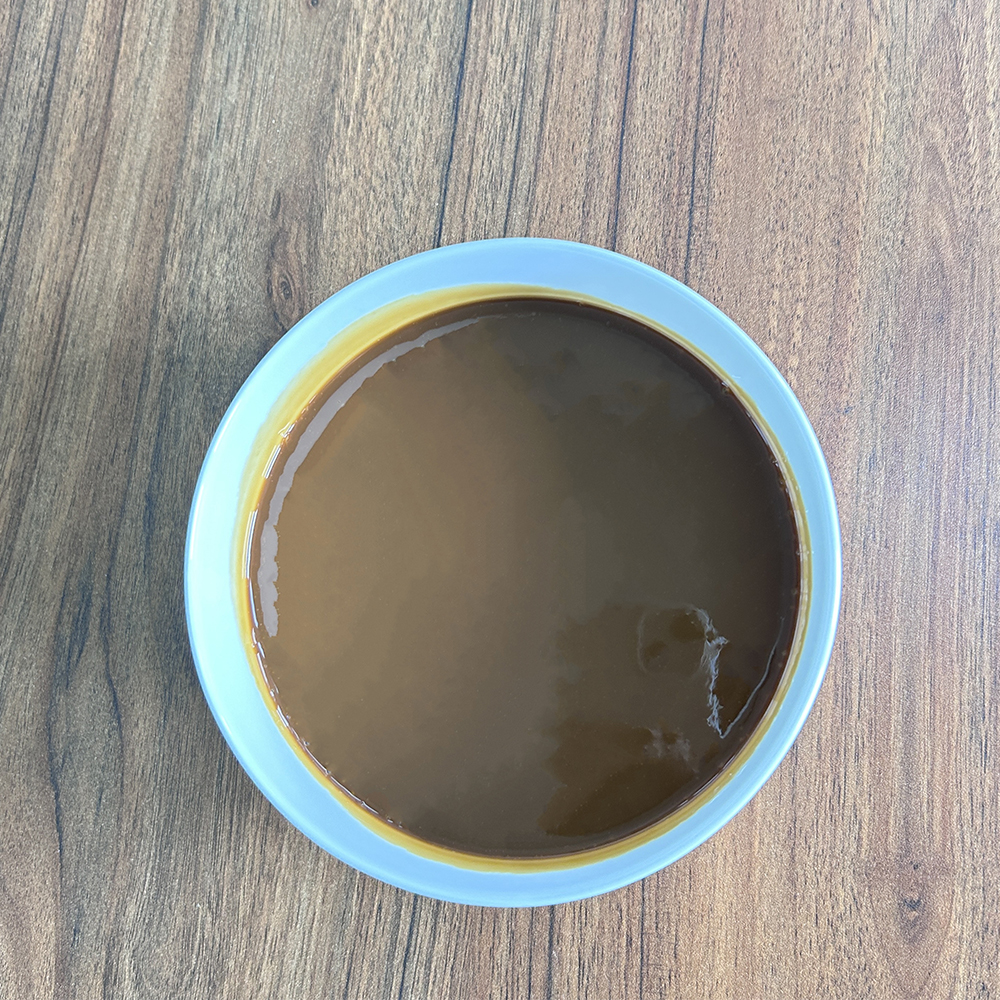
Different physical formats require distinct validation frameworks. The testing protocols must align with the specific physical and chemical stresses the flavor system will endure during manufacturing and storage. You cannot apply the same testing methodology to a dry powder that you would to a high-moisture liquid emulsion.
High-moisture environments present unique challenges. When evaluating a wet food liquid palatant, QA teams must focus on emulsion stability, phase separation, and pH drift over time. The material must survive retort processing. Validation requires confirming thermal stability and ensuring structural changes during high-heat sterilization do not destroy the flavor profile. The intense heat and pressure of the retort process can cause Maillard reactions that alter the intended flavor, so post-retort palatability testing is non-negotiable.
Feline applications demand rigorous testing due to cats' extreme sensitivity to oxidized fats. Comparing a powder cat food palatant against a liquid format reveals distinct degradation curves. Powder formats mitigate certain moisture-related risks but introduce hygroscopic challenges, meaning they can cake or clump if exposed to humidity. Particle size distribution impacts physical shelf life and adhesion. Liquids offer superior coating uniformity but require robust antioxidant systems to prevent rancidity. You must evaluate the specific coating equipment available at the manufacturing facility before selecting the format.
Applying a liquid dog food palatant over fat layers on extruded kibble requires specific validation. Testing must ensure the liquid coating does not compromise the kibble's structural integrity or accelerate fat oxidation over a 12- to 18-month shelf life. The interaction between the applied topical fat and the liquid palatant often dictates the final oxidation rate of the finished product. You must conduct compatibility testing between the specific fat source (e.g., chicken fat, beef tallow) and the palatant to identify any negative synergistic effects.
Robust shelf life validation relies on a combination of predictive modeling, analytical chemistry, and live animal testing. You must integrate all three dimensions to build a comprehensive stability profile for any flavor enhancer.
Accelerated testing utilizes the Arrhenius equation, placing samples in elevated temperature and humidity chambers to simulate long-term aging rapidly. While useful for early R&D decisions, accelerated models have limitations. They cannot predict complex flavor profile shifts accurately. Real-time testing must run concurrently to validate the accelerated data. You should use accelerated data to make initial formulation adjustments, but never release a product to market without real-time data backing up the shelf life claims.
Chemical assays provide objective data on degradation. Cross-laboratory consensus between the supplier and manufacturer eliminates calibration drift. You must establish clear communication channels between the internal QA lab and the supplier's analytical team.
Analytical Assay | Target Measurement | Significance in Shelf Life |
|---|---|---|
Peroxide Value (PV) | Primary oxidation (hydroperoxides) | Indicates early-stage fat degradation. |
Free Fatty Acids (FFA) | Hydrolytic rancidity | Measures breakdown of triglycerides. |
p-Anisidine Value (pAV) | Secondary oxidation (aldehydes) | Correlates directly with off-odors and feed refusal. |
Hexanal Tracking (GC) | Specific volatile aldehydes | Highly accurate marker for rancidity in linoleic acid. |
Chemical stability does not guarantee animal acceptance. Two-Bowl tests must occur at critical intervals. Measuring First Choice indicates aroma appeal, while the Intake Ratio validates sustained flavor appeal. If the chemistry looks good but the intake ratio drops, the shelf life validation fails. You must conduct these tests using a statistically significant panel of animals that represent the target demographic for the specific product.
Establish baseline palatability at day zero using a standard two-bowl test against a known control.
Conduct follow-up testing at 3, 6, 9, and 12 months using the exact same methodology and control diet.
Analyze the data for statistically significant negative trends in intake ratio or first choice preference.
Correlate the in-vivo results with the analytical chemistry data collected at the same time intervals.
Inventory sometimes sits near its expiration date. Establishing strict chemical and physical thresholds allows plants to safely re-validate and extend the usage window of stored raw materials without compromising the final product's palatability. You must define clear standard operating procedures for sampling, testing, and approving these materials before they enter the production stream.
Formulators constantly balance stability requirements against marketing claims and operational costs. You must make strategic decisions based on the specific goals of the product line and the realities of the supply chain.
Synthetic preservatives like BHA, BHT, and Propyl Gallate offer exceptional efficacy and longevity. However, clean-label consumer demands push manufacturers toward natural alternatives like Mixed Tocopherols, Rosemary Extract, and Green Tea Extract. Natural systems require higher inclusion rates and often struggle to achieve a stable 18-month shelf life without careful formulation and superior packaging. You must evaluate the cost-in-use of these natural systems against the potential market premium they command.
Over-engineering palatant stability increases formula costs unnecessarily. Manufacturers must align the validated shelf life with actual inventory turnover rates and distribution channel conditions. If a product consistently sells and is consumed within six months, formulating for a 24-month shelf life wastes resources. You should conduct a thorough supply chain analysis to determine the actual required shelf life for each specific SKU.
Theoretical stability means nothing if plant execution fails. Real-world variables introduce significant risks to palatant longevity. You must design robust quality assurance protocols to mitigate these risks on the plant floor.
Uneven application in the coating drum creates localized areas of high moisture or fat. These isolated spots degrade faster than the rest of the batch, causing premature failure. Mitigation requires validating application equipment and utilizing continuous inline moisture monitoring. You must calibrate spray nozzles regularly and ensure the tumbling action of the drum provides adequate exposure time for all kibble pieces.
Supply chains subject products to temperature abuse, from hot warehouses to freezing transit conditions. R&D teams must implement freeze-thaw validation cycles and thermal abuse testing to ensure the palatant remains stable under actual distribution conditions. You should place data loggers in test shipments to map the actual temperature profiles the product experiences during transit.
Continuous shear force in recirculation lines can physically break down liquid emulsions. Mitigation involves validating maximum pump hours and defining optimum agitation speeds in day-tanks. This prevents emulsion breakage and phase separation before the material ever reaches the kibble. You must train plant operators on the specific handling requirements for each distinct palatant formula.
Chemical preservation and physical stability must be validated in tandem to ensure consistent market performance. You cannot rely on theoretical models alone; practical, plant-level execution dictates the final success of the flavor system.
Demand comprehensive, matrix-specific stability data from suppliers, including both analytical and in-vivo results.
Initiate pilot-scale coating trials to verify application uniformity and base matrix interactions.
Conduct baseline accelerated stability testing alongside real-time monitoring.
Execute in-plant holding tank shear validations to confirm operational viability.
A: Shelf life testing requires a combination of analytical chemistry and live animal testing. Laboratories measure Peroxide Value (PV), Free Fatty Acids (FFA), and Hexanal to track oxidation. Simultaneously, timed in-vivo feeding trials using Two-Bowl tests at specific intervals confirm that chemical stability translates to sustained animal acceptance.
A: Powder formats generally offer longer stability due to their lower water activity, which inhibits microbial growth and slows certain degradation pathways. Liquid formats contain higher moisture and fats, requiring robust emulsion stabilizers, strong antioxidant systems, and strict temperature controls to maintain shelf life.
A: Lipid oxidation breaks down the fats within the palatant into volatile aldehydes and ketones. This chemical reaction destroys the intended aroma profile, replacing it with rancid off-odors. Because dogs rely heavily on smell, this oxidation leads directly to feed refusal.
A: No. While accelerated testing provides rapid baseline data by using elevated heat and humidity, it cannot accurately predict complex flavor profile shifts or non-linear degradation pathways. Real-time testing is mandatory to confirm the accelerated results and ensure true long-term stability.
A: Liquid palatants sit in plant day-tanks and run through recirculation pumps before application. The continuous mechanical shear and agitation can break the emulsion, causing phase separation. Validating pump times and agitation speeds ensures the liquid remains stable until it coats the kibble.


 phoebe@tdtbio.com
  +86-18972222769
 Haowangzhuang Town, Wucheng County, Dezhou City, Shandong Province, China