

Views: 0 Author: Site Editor Publish Time: 2026-07-30 Origin: Site


Coating inefficiency in pet food manufacturing carries significant financial and operational stakes. Premium palatants represent a substantial percentage of formulation costs, meaning poor retention directly hits manufacturing margins. The core business problem lies in the discrepancy between the volume of palatant applied during production and the actual amount retained on the kibble or wet food matrix, known as the recovery rate. Poor recovery leads to inconsistent palatability, failed animal acceptance trials, and batch rejection. A pet food palatant is a specialized, formulated additive or coating designed to target a pet's highly sensitive olfactory and gustatory receptors. Recovery testing and application sequencing provide the definitive frameworks for auditing coating efficiency, comparing liquid versus powder formats, and maximizing return on palatant investments.
Accurate recovery testing requires baselining the kibble matrix prior to coating, as extrusion fines and dust disproportionately absorb palatants and skew retention data.
A dedicated sifting/shifting step immediately following the drying phase and prior to coating is non-negotiable for removing abrasive extrusion dust and optimizing surface adhesion.
The sequence of application (e.g., fat spraying, followed by liquid, then powder) fundamentally dictates the physical adhesion and sensory accessibility of the palatant.
Validated empirical data indicates that delayed dry palatant application (post-fat coating) can maintain recovery rates and palatability for days, weeks, or even months, offering manufacturers unprecedented logistical flexibility in staging and storage.
Correlating analytical recovery rates with live palatability testing (e.g., two-bowl tests) is essential to validate that retained palatants are actually accessible to the pet’s olfactory and gustatory receptors.
In pet food manufacturing, the recovery rate defines the measurable percentage of target palatant successfully adhered to and retained by the final product. Establishing a high recovery rate serves as the primary success criterion for the coating process. You cannot manage what you do not measure, and in a high-tonnage extrusion plant, unmeasured coating losses translate to massive financial leaks. Standardizing recovery testing prevents costly over-application, often referred to as giveaway on the plant floor. It also mitigates under-application, which leads directly to product failure in the marketplace and costly recalls or brand damage.
The financial impact of dialing in these metrics is substantial. When you run a continuous coating line at ten tons per hour, a two percent drop in palatant recovery means you are sending expensive functional ingredients into the dust collection system or leaving them on the walls of the drum coater. Facilities save significant capital on wasted premium ingredients by implementing strict mass balance checks. The science behind this requires that palatants remain on the exterior surface of the kibble. If the palatant migrates entirely into the core due to excessive porosity or improper fat application, it loses its sensory accessibility. Keeping the palatant on the surface ensures immediate interaction with the pet’s taste buds and nose, maximizing meal attractiveness.
To understand the operational impact, consider the following breakdown of recovery rate scenarios and their direct consequences on plant efficiency and product quality.
Recovery Scenario | Physical Outcome on Kibble | Sensory Impact | Operational Consequence |
|---|---|---|---|
Optimal Recovery (95%+) | Even surface coating, minimal dust in bag. | Immediate olfactory engagement, high acceptance. | Maximum yield, clean packaging lines. |
High Giveaway (Over-application) | Greasy surface, heavy powder accumulation. | Potential flavor fatigue, messy handling. | Wasted ingredient budget, frequent line cleaning. |
Poor Adhesion (High Fines) | Palatant strips off during conveying. | Weak initial aroma, inconsistent bowl performance. | Clogged pneumatic lines, failed QA checks. |
Deep Core Migration | Dry surface, palatant absorbed internally. | Delayed flavor release, poor initial interest. | Requires formulation adjustment at the extruder. |
Achieving optimal recovery requires a deep understanding of the physical dynamics at play inside the coater. The interaction between the basal fat layer, the moisture content of the kibble exiting the dryer, and the specific gravity of the palatant all dictate final adhesion. Plant operators must continuously monitor these variables to maintain target recovery rates.
Evaluating liquid palatants requires analyzing absorption rates, moisture management, and their interaction with the basal fat layer. A liquid dog food palatant or liquid cat food palatant must spread evenly without soaking too deeply into the kibble matrix. The viscosity of these liquids changes drastically with temperature, meaning plant operators must maintain strict thermal controls on their holding tanks and delivery lines. If the liquid is too cold, it will not atomize properly at the spray nozzle, leading to uneven coating and wet spots on the kibble.
Application realities demand precise spray nozzle calibration. Proper calibration prevents clumping and ensures uniform distribution across the entire batch. Poorly calibrated nozzles lead to wet spots, mold risk, and inconsistent flavor delivery. Operators should follow a strict maintenance schedule for liquid delivery systems.
Verify holding tank temperatures match the palatant supplier's specifications to maintain optimal viscosity.
Inspect and clean inline strainers to prevent particulate buildup from clogging the spray nozzles.
Conduct a catch-test to measure the actual flow rate of the nozzles against the mass flow meter readings.
Adjust the spray angle to ensure the liquid fan covers the falling curtain of kibble inside the drum without hitting the drum walls.
Monitor the atomization air pressure to ensure the droplet size is small enough for even distribution but large enough to prevent excessive misting and loss to the exhaust system.
Powder applications present distinct adhesion challenges. They rely heavily on the liquid or fat tack-coat to stick to the kibble. Manufacturers must assess the risk of powder loss during pneumatic conveying or packaging, where friction can strip the coating. The physical characteristics of the powder, such as particle size distribution and bulk density, play a massive role in how well it adheres to the fat layer.
Implementing a sifting (or shifting) step immediately after drying and before coating is mandatory. This step mitigates fines by removing extrusion dust. If left in the mix, this dust binds with the powder cat food palatant, ruining recovery metrics and wasting expensive ingredients. The dust acts as a competitive surface, soaking up the fat and palatant before it can reach the actual kibble. When the product moves down the line, this coated dust falls off, resulting in a bag full of highly palatable fines and bland kibble.
Formulation differences between dry kibble surface coating and wet food integration are stark. In canned or pouch formats, a wet food liquid palatant is homogenized directly into the gravy, jelly, or loaf matrix rather than sprayed on the surface. This requires high-shear mixing equipment to ensure the palatant is evenly distributed throughout the viscous matrix before the filling process begins.
Testing variances reflect these differences. Recovery testing in wet food relies on thermal stability, ensuring the palatant survives retort processing pressures and heat sterilization. Chemical assaying takes precedence over physical adhesion metrics in these applications. You are testing to see if the volatile flavor compounds survived the 121°C retort cycle, rather than checking if a powder fell off a kibble.
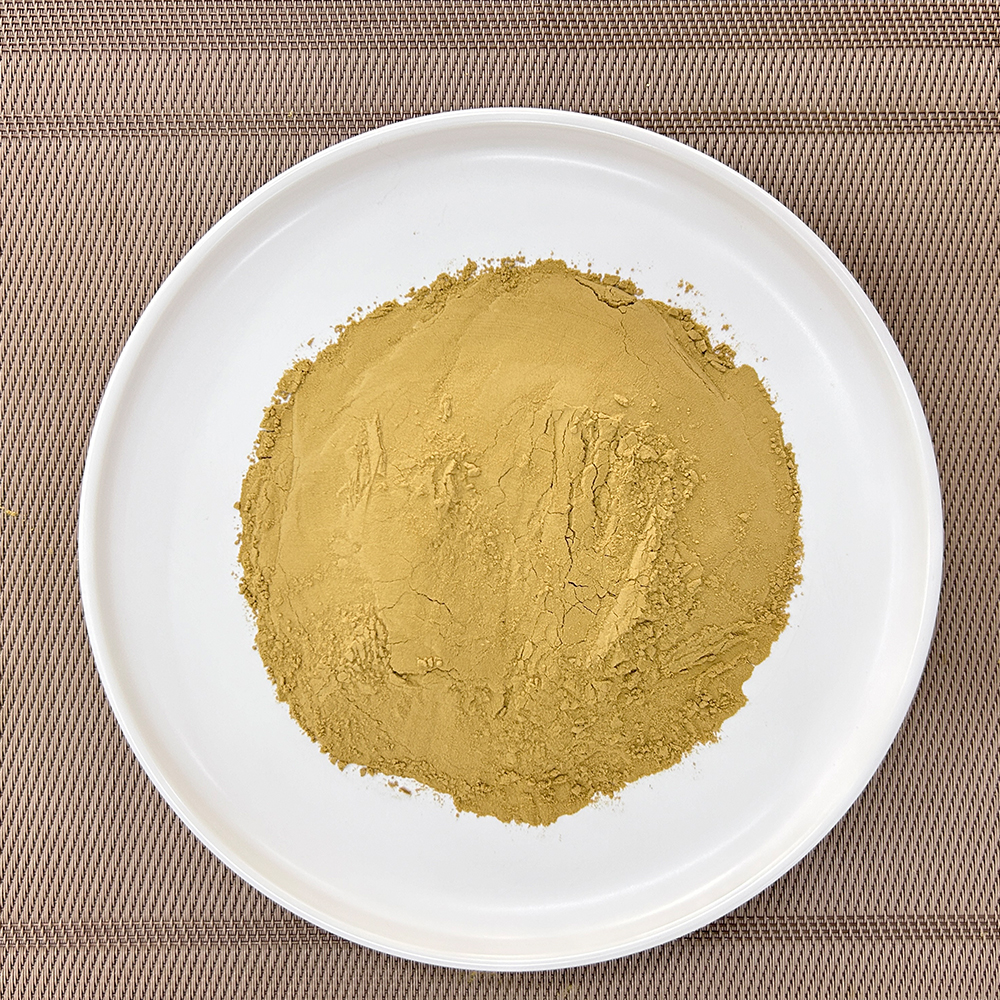
The traditional process flow for dry kibble involves fat spraying, followed by liquid palatant, and finishing with dry palatant. This sequence remains the industry standard for a reason. Applying the fat first seals the kibble surface and provides a tacky base. The liquid palatant follows, mixing with the fat to create an emulsion on the surface. Finally, the dry powder is dusted over the top, adhering to the wet layer and locking in the flavors.
This method maximizes immediate adhesion and safeguards ingredient quality. It creates a layered sensory profile that appeals strongly to the pet's initial olfactory inspection and subsequent tasting. The powder provides the immediate aroma burst when the bag is opened, while the liquid and fat layers provide the sustained flavor during chewing.
Delayed coating offers operational flexibility. Manufacturers can apply fat first, store the kibble in silos, and apply the dry palatant later just before packaging. This approach decouples the extrusion and drying process from the final flavoring and packaging steps, allowing a plant to run long campaigns of a base kibble and flavor it on demand based on order fulfillment needs.
Peer-reviewed findings demonstrate that delaying dry palatant application by days, weeks, or even months does not compromise the ultimate recovery rate. It maintains acceptable oxidation profiles and animal acceptance, providing significant logistical advantages. However, the stored kibble must be kept in climate-controlled silos to prevent the basal fat layer from oxidizing or becoming too hard to accept the powder coating later.
Coating Sequence | Primary Advantage | Operational Challenge | Best Use Case |
|---|---|---|---|
Standard 3-Step (Inline) | Maximum immediate adhesion, layered flavor. | Requires continuous synchronization of all liquid and powder lines. | High-volume, single-recipe production runs. |
Delayed Powder Application | High logistical flexibility, reduced changeover downtime. | Requires large silo storage capacity and climate control. | Facilities producing multiple SKUs from a single base kibble. |
Fat + Powder Only | Simplified equipment setup, lower moisture addition. | Lower overall palatability compared to liquid + powder combos. | Economy or mid-tier dry dog food formulations. |
The expansion rate during extrusion dictates the kibble's macro- and micro-pores. These physical features directly influence whether liquid palatants pool on the surface or absorb too deeply into the core. A highly expanded, lightweight kibble acts like a sponge. If you apply a low-viscosity liquid palatant to a highly porous kibble, it will vanish into the interior matrix within seconds, leaving the surface devoid of flavor.
Managing porosity ensures the palatant remains accessible. Highly porous kibble may require a thicker fat barrier to seal the surface before the palatant is applied. Conversely, a dense, low-expansion kibble might struggle to hold enough fat and liquid on its surface without becoming greasy and clumping together in the packaging.
Recovery efficiency varies across equipment types. Continuous drum coaters, batch vacuum coaters, and spinning disk systems each offer different shear forces and distribution patterns. The mechanical action of the coater must be aggressive enough to tumble the kibble and expose all surfaces to the spray, but gentle enough to prevent breakage and the generation of new fines inside the drum.
Scalability involves a trade-off. High-throughput continuous systems carry a higher risk of uneven coating if the spray nozzles or powder feeders fluctuate. Batch systems provide better uniformity and deeper penetration, especially vacuum coaters which pull the liquids into the surface pores, but they operate at a lower throughput and require more complex automation to load and discharge.
Continuous Drum Coaters: Best for high tonnage, requires precise angle and retention time adjustments.
Batch Vacuum Coaters: Ideal for high-fat or high-liquid inclusions, forces liquids into the kibble matrix under negative pressure.
Spinning Disk Applicators: Excellent for atomizing liquids without compressed air, reducing misting and exhaust losses.
Ribbon Blenders: Generally avoided for finished kibble due to high shear forces causing excessive product breakage.
Accurate measurement requires robust analytical methods. Tracer markers, mass balance calculations (input versus output weighing), and specific chemical assays quantify palatant presence effectively. Mass balance is the most practical daily tool for a plant operator. By weighing the exact amount of uncoated kibble entering the system and comparing it to the weight of the coated kibble exiting, minus the known weights of applied fat and palatant, you can calculate the physical loss in the system.
These methodologies provide the empirical data needed to audit the coating line. They highlight discrepancies between applied volumes and retained volumes. If the mass balance shows a 5% loss, operators know they need to inspect the dust collection system, check for buildup on the coater walls, or recalibrate the powder feeders.
Establish a baseline weight of the uncoated kibble, accounting for natural moisture variations exiting the dryer.
Record the exact mass of fat, liquid palatant, and powder palatant dosed during a specific time frame or batch.
Weigh the final coated product and calculate the theoretical vs. actual yield.
Collect samples from the packaging line and use a laboratory sieve to measure the percentage of loose fines (unadhered powder).
Perform chemical assays on the sifted kibble to verify the presence of specific tracer compounds unique to the palatant formulation.
High recovery rates on paper must translate to performance in the bowl. Standardized palatability testing, such as single-bowl acceptance or two-bowl preference trials, validates the analytical data. A plant might achieve a 98% physical recovery rate, but if the fat layer oxidized during storage or the liquid palatant was degraded by excessive heat in the holding tank, the animals will still reject the food.
Advanced sensory metrics now incorporate microbiota studies. Understanding how the quality of raw materials and retained palatants interact with the pet's oral microbiome and gut health represents the cutting edge of palatability science. Physical recovery is only the first step; sensory delivery and biological acceptance are the ultimate goals.
Residual powder or liquid palatant can contaminate subsequent batches. This operational hazard is particularly acute when switching between dog and cat formulations on the same line. Cats are notoriously sensitive to certain flavor profiles used in dog foods, and cross-contamination can lead to immediate refusal by feline test panels.
Implementing automated Clean-In-Place (CIP) systems mitigates this risk for liquid lines. Strict sequencing schedules also prevent cross-contamination. Production planners should schedule runs from the least pungent flavors to the most pungent, minimizing the impact of any residual carryover. Dry cleaning methods, such as running a purge batch of uncoated kibble through the drum, help sweep out residual powders before a major changeover.
Ambient plant humidity causes powder palatants to agglomerate before application. When powder clumps in the hopper, it bridges over the auger, causing erratic dosing and massive spikes or drops in application rates. Low temperatures increase the viscosity of liquid palatants and fats, ruining spray patterns and causing the liquids to spit or stream rather than atomize.
Inline heating for liquid lines maintains proper viscosity from the tank all the way to the nozzle tip. Climate-controlled storage for dry powders prevents moisture absorption and agglomeration. Plant managers must ensure the coating room itself is adequately ventilated and dehumidified to prevent condensation on the equipment surfaces, which acts as a magnet for airborne powder dust.
Conduct a baseline mass-balance audit on your current coating lines to identify immediate physical losses and giveaway percentages.
Install or upgrade the sifting equipment immediately prior to the coating drum to eliminate extrusion fines and improve powder adhesion.
Calibrate all liquid spray nozzles and powder loss-in-weight feeders weekly to ensure application rates match the formulation specifications.
Execute pilot-scale recovery testing using both immediate and delayed application sequences to determine the most logistically efficient method for your facility.
A: The typical three-step process involves fat application first, followed by liquid palatant, and finishing with dry powder palatant. This sequence maximizes adhesion, seals the kibble surface, and creates a layered flavor profile that appeals to the pet's initial olfactory inspection and subsequent tasting.
A: A shifting or sifting step after drying removes fine dust produced during extrusion. Without removal, these fines act as an absorbent competitive surface, binding with the powder cat food palatant and falling off the kibble, which drastically lowers measurable recovery rates and wastes ingredients.
A: Yes. Industry findings show that dry palatant application can be delayed by days, weeks, or months post-fat coating without severely compromising final recovery rates, fat oxidation, or palatability, provided the kibble is stored in appropriate climate-controlled conditions.
A: A wet food liquid palatant is integrated directly into the gravy or loaf matrix and must survive retort sterilization. Testing requires chemical stability assays to ensure flavor compounds survive the heat and pressure, rather than relying on physical adhesion metrics used for dry kibble.
A: A liquid dog food palatant offers superior uniform coverage, lower dust levels during manufacturing, easier automated dosing, and deeper integration with the fat layer. It is often preferred for high-volume runs where minimizing airborne dust and maintaining clean packaging lines is a priority.
A: Vacuum coaters provide deep penetration and uniform surface coverage for high-liquid inclusions, while continuous drum coaters offer higher throughput for standard runs. The best choice depends entirely on the desired liquid-to-powder ratio, kibble porosity, and overall production scale.


 phoebe@tdtbio.com
  +86-18972222769
 Haowangzhuang Town, Wucheng County, Dezhou City, Shandong Province, China