

Views: 0 Author: Site Editor Publish Time: 2025-12-31 Origin: Site


With the growing awareness of food sensitivities in pets, especially those suffering from allergies or digestive issues, hydrolyzed protein diets have become a popular choice among pet owners and brands. Hydrolyzed protein offers a solution to pets with food intolerances by breaking down proteins into smaller peptides that are easier to digest. At TDT BIO, we provide high-quality hydrolyzed proteins designed to improve pet health, making meals more digestible and reducing allergens. In this article, we explore the safety of hydrolyzed protein for pets, how it works, its benefits, and potential risks, while helping pet food companies make informed decisions about incorporating this ingredient into their products.
Hydrolyzed protein is produced through a process called hydrolysis, where large protein molecules are broken down into smaller fragments, known as peptides. This process significantly reduces the size of the protein molecules, making them less likely to trigger an immune response in pets. The resulting protein is easier for pets to digest and is generally used in hypoallergenic diets for pets with food sensitivities.
Why Hydrolysates Are Used in Pet Diets
Hydrolyzed proteins are commonly used in pet food to help manage food allergies, particularly in pets suffering from adverse reactions to certain protein sources, such as beef, chicken, or fish. By breaking down the protein molecules into smaller pieces, the body is less likely to recognize them as allergens, which helps minimize allergic reactions.
In addition to reducing allergens, hydrolyzed protein can improve the digestibility of the food, making it an excellent choice for pets with gastrointestinal issues, such as Inflammatory Bowel Disease (IBD) or food sensitivity. By including hydrolyzed protein in their food, pet food manufacturers can create diets that cater to pets with complex health conditions, improving their overall health and quality of life.
When considering the safety of hydrolyzed protein for pets, it’s important to understand both its digestibility and its impact on the immune system.
Digestibility and Immunoreactivity
One of the key advantages of hydrolyzed protein is that it is easier for pets to digest compared to regular protein sources. Since the protein is broken down into smaller peptides, it requires less enzymatic activity from the pet’s digestive system. This is especially beneficial for pets with compromised digestive health or conditions that affect their ability to process larger protein molecules.
Immunoreactivity refers to the immune system’s response to foreign substances. Hydrolyzed proteins are designed to reduce the chances of triggering an immune response. In traditional protein diets, the immune system may recognize whole protein molecules as harmful, which can lead to allergic reactions. With hydrolyzed protein, the smaller protein fragments are less likely to cause such immune reactions, making it a safer option for sensitive pets.
Veterinary Use Cases
Hydrolyzed protein is frequently recommended by veterinarians for pets suffering from food allergies or sensitivities. For example, in cases of IBD, where inflammation of the gastrointestinal tract occurs, hydrolyzed proteins can help reduce irritation and improve nutrient absorption. Pets with skin conditions, such as itching or rashes caused by food allergies, also benefit from hydrolyzed protein diets, as they help minimize allergic responses.
Hydrolyzed protein is also often recommended for pets undergoing diagnostic trials to identify allergens. Veterinarians may suggest a hydrolyzed protein diet for a period of time to see if it alleviates symptoms and helps pinpoint the specific food sensitivities.
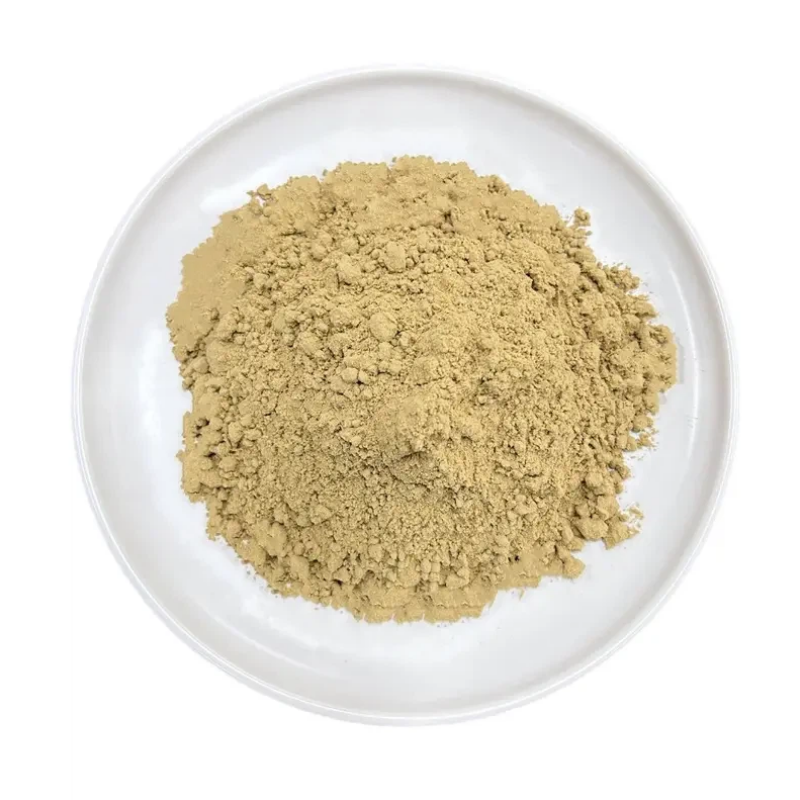
While hydrolyzed protein is generally considered safe for pets, there are some potential risks and considerations to keep in mind.
Palatability Challenges
One of the primary challenges with hydrolyzed protein diets is palatability. Due to the nature of the hydrolysis process, the resulting protein can sometimes lack the intense flavor that pets are accustomed to, making it less appetizing for some animals. However, with careful formulation and the addition of flavor enhancers, pet food manufacturers can overcome this issue and make hydrolyzed protein diets more palatable.
Situations Where Hydrolyzed Proteins May Not Be Suitable
While hydrolyzed protein is a great option for many pets with allergies or sensitivities, it may not be the right choice for every pet. For example, pets that are not sensitive to protein allergies may not benefit from the hydrolyzed form of protein. Additionally, some pets may simply not prefer the taste or texture of hydrolyzed protein, which can lead to decreased food intake.
Furthermore, while hydrolyzed protein is often used in specialized diets, it may not provide all the nutritional benefits that whole food sources of protein offer. For pets that are not suffering from food allergies or digestive issues, a more traditional protein source might be preferable.
Hydrolyzed protein plays a crucial role in supporting pet health, particularly for pets with food sensitivities or digestive issues. By offering a protein source that is easier to digest and less likely to cause immune reactions, hydrolyzed protein helps improve overall health and well-being.
Reduced Allergenicity
One of the most significant benefits of hydrolyzed protein is its reduced allergenicity. By breaking down the protein molecules into smaller peptides, it becomes much less likely to trigger an allergic reaction. This is particularly important for pets with food allergies to common proteins like chicken, beef, or fish. Hydrolyzed protein helps these pets enjoy their meals without the fear of adverse reactions.
Digestive Comfort and Nutrient Uptake
For pets with sensitive digestive systems, hydrolyzed protein can help reduce the strain on the gastrointestinal tract, promoting better nutrient absorption. This is especially important for pets with conditions like IBD, where the gastrointestinal tract is inflamed and irritated. Hydrolyzed proteins are easier for the body to process, which can help reduce symptoms like diarrhea, vomiting, and bloating, leading to a more comfortable digestive process.
When comparing hydrolyzed protein to traditional protein diets, there are several key differences that pet owners and manufacturers should be aware of.
Performance
Traditional protein diets use whole protein sources, such as chicken, beef, or lamb, which provide all the essential amino acids needed for growth and maintenance. However, these proteins can sometimes trigger allergic reactions in pets, leading to digestive issues or skin problems. In contrast, hydrolyzed protein diets are designed to minimize immune responses and are more easily digested, making them ideal for pets with food sensitivities or allergies.
Use Cases
Traditional protein diets are suitable for pets without food sensitivities or allergies and can provide a balanced source of nutrition. However, hydrolyzed protein diets are recommended for pets with specific health issues, such as food allergies, gastrointestinal conditions, or skin problems. These specialized diets help manage the pet’s health while providing a safe and easily digestible source of protein.
In conclusion, hydrolyzed protein is a safe and effective option for pets suffering from food allergies, sensitivities, and digestive issues. It provides a more easily digestible protein source, reduces allergenicity, and supports better overall health. While there are some palatability challenges and situations where hydrolyzed protein may not be necessary, it remains an excellent choice for pets with specific dietary needs.
At TDT BIO, we specialize in producing high-quality hydrolyzed proteins that meet the nutritional requirements of pets with food sensitivities. Our hydrolyzed protein products are carefully formulated to improve digestibility and minimize allergens, helping pets lead healthier, more comfortable lives. If you’re looking to incorporate hydrolyzed protein into your pet food formulations, contact us today to learn more about our solutions.
What is hydrolyzed protein?
Hydrolyzed protein is a form of protein that has been broken down into smaller peptides to make it easier to digest and less likely to trigger allergic reactions in pets.
Is hydrolyzed protein safe for pets?
Yes, hydrolyzed protein is safe for pets and is especially beneficial for pets with food allergies, sensitivities, or gastrointestinal issues.
What are the benefits of hydrolyzed protein in pet food?
Hydrolyzed protein helps reduce allergens, improves digestibility, and promotes better nutrient absorption, supporting overall pet health.
When should I use hydrolyzed protein for my pet?
Hydrolyzed protein is ideal for pets with food allergies, digestive issues, or skin problems. It should be used when traditional protein sources cause adverse reactions.
 phoebe@tdtbio.com
  +86-18972222769
 Haowangzhuang Town, Wucheng County, Dezhou City, Shandong Province, China