

Views: 0 Author: Site Editor Publish Time: 2026-09-11 Origin: Site


Feline palatability is notoriously unforgiving. Even minor deviations in kibble coating uniformity or aroma profile lead to immediate product rejection and brand abandonment. Applying an ocean fish coating presents unique manufacturing challenges on the production floor. You have to manage highly volatile marine aromas, prevent rapid lipid oxidation, and achieve homogenous distribution without compromising line speed or kibble structural integrity. When cats reject a batch, the financial loss hits hard. This guide provides a technical framework for production managers and formulators to fix these issues. We evaluate coating methodologies, compare liquid and powder formats, and implement strict quality control measures. These steps ensure consistent palatant adhesion, maximum intake ratios, and alignment with super-premium nutritional claims. By dialing in your drum retention times and nozzle calibrations, you can stop wasting expensive coating materials and keep your production runs predictable.
Format Selection Dictates Equipment: Choosing between a liquid cat food palatant (typically applied at 1% to 4%) and a powder cat food palatant (0.5% to 3%) requires specific nozzle calibrations and drum retention times to ensure uniform coverage.
Dual-Coating Maximizes Efficacy: The industry standard for super-premium feline diets involves a sequential application of liquid fat/palatant followed by a powder coating to lock in volatile ocean fish aromas.
Moisture and Temperature are Critical: Kibble must exit the dryer at precise moisture levels and temperatures to facilitate optimal palatant absorption without causing clumping or microbial vulnerabilities.
Continuous Flow Dynamics: Utilizing plates or splitters at the discharge point is essential for maintaining a continuous kibble flow, securing accurate dosing, and minimizing palatant waste.
Nutritional Synergy: Beyond flavor, high-quality ocean fish coatings can contribute valuable Omega-3 fatty acids, supporting lucrative on-pack claims for skin, coat, and immune health.
Defining the baseline requirements for a successful kibble coating requires a focus on three primary metrics: first-bite acceptance, sustained intake ratios, and aroma longevity over the product's shelf life. First-bite acceptance hinges entirely on the immediate olfactory impact when the consumer opens the bag and dispenses the food. Sustained intake measures the feline's willingness to consume the entire meal without fatigue, which relies on flavor release during mastication. Aroma longevity dictates that the volatile compounds responsible for triggering appetite remain stable and active for 12 to 18 months post-manufacture. A high-performance Pet Food Palatant serves as the primary variable linking these three success criteria, ensuring the dietary formulation translates into actual consumption on the factory floor and in the home.
To hit these metrics consistently, production teams must monitor several physical parameters during the extrusion and coating phases. If the base kibble lacks the correct porosity, the coating will pool on the surface and rub off in the packaging equipment. If the bulk density fluctuates, volumetric feeders will dose the coating inaccurately. You need a stable base product before you even introduce the flavor compounds.
Felines are obligate carnivores equipped with highly specialized olfactory receptors tuned to detect specific amino acids, peptides, and volatile compounds found in animal proteins. Unlike canines, cats possess a relatively low number of taste buds but compensate with a highly developed vomeronasal organ. This biological mechanism drives their preference for marine proteins, which naturally emit strong volatile amines and sulfur-containing compounds. Because cats rely heavily on smell to determine food safety and desirability before tasting, high-impact, surface-level aroma release is non-negotiable.
If the marine aroma is masked, trapped inside the kibble core, or degraded by oxidation, the cat will likely reject the food regardless of its underlying nutritional value. Formulators must design coatings that sit primarily on the exterior of the kibble. This surface application ensures that the volatile compounds vaporize immediately upon exposure to air, hitting the cat's olfactory receptors before they even take a bite.
Working with marine-based flavors introduces distinct manufacturing and stability hurdles that require engineered solutions on the production line.
Inherent Volatility: The aromatic compounds that make fish appealing to cats evaporate rapidly at high temperatures. You have to lock them onto the kibble surface during the cooling and coating phases before they flash off into the plant's exhaust system.
Susceptibility to Rancidity: Marine lipids contain high levels of polyunsaturated fatty acids (PUFAs). These oxidize quickly when exposed to air, light, and heat, leading to off-odors that repel cats instantly.
Ambient Facility Odors: Processing fish flavors creates overwhelming ambient odors within the manufacturing plant. You need specialized ventilation and isolation protocols to protect worker comfort and prevent cross-contamination with other product lines.
Antioxidant Stabilization: Robust stabilization using mixed tocopherols, rosemary extract, or synthetic antioxidants is mandatory. You must protect the lipid structures from autoxidation during warehouse storage and transit.
Integrating marine-based fats and palatants does more than drive consumption; it fundamentally enhances the nutritional profile of the finished diet. Ocean fish ingredients are dense sources of Omega-3 fatty acids, specifically eicosapentaenoic acid (EPA) and docosahexaenoic acid (DHA). When applied effectively to the kibble exterior, these functional lipids remain bioavailable. This nutritional synergy directly supports consumer-facing claims regarding shinier coats, reduced dermal inflammation, and boosted immune function.
Formulators can leverage the coating process to hit specific Omega-3 target levels. Instead of relying solely on internal formulation—where high extrusion temperatures might degrade sensitive fatty acids—applying them post-extrusion preserves their nutritional integrity. This turns a basic palatability requirement into a premium marketing asset.
Modern pet owners frequently practice mixed feeding, combining dry kibble with wet food formats like an ocean fish recipe paté or hydrating broths. The kibble coating must maintain its structural integrity and flavor profile under these rehydration conditions. If the palatant washes off too quickly or fails to release its aroma when introduced to moisture, the cat may selectively eat the wet food and leave the kibble behind.
Formulating the coating to create a stable emulsion upon contact with moisture ensures that the marine aroma blooms effectively. This enhances the overall mixed-feeding experience and drives total bowl clearance. You achieve this by balancing the ratio of liquid fats to dry powders, creating a matrix that resists immediate dissolution while still releasing flavor compounds.
Liquid applications serve as the foundational layer in most high-quality kibble coating processes. Evaluated for its ability to penetrate the kibble micropores, a liquid cat food palatant enhances the initial aroma burst upon opening the bag. The liquid format typically consists of enzymatically digested proteins, amino acids, and stabilizing agents suspended in a moisture or lipid base. Standard dosing rates range from 1% to 4% of the total formula weight.
Successful application requires heated holding tanks to maintain optimal viscosity, preventing the liquid from congealing before it reaches the spray nozzles. Precise pump calibration is non-negotiable. Under-dosing leads to refusal, while over-dosing increases moisture content beyond safe thresholds, risking mold growth in the final packaging. Operators must monitor the mass flow meters continuously to ensure the liquid delivery matches the dry kibble throughput exactly.
For high-volume production facilities, optimizing logistical efficiency and moisture management takes priority. A concentrated liquid cat palatant provides a potent solution by delivering intense flavor profiles at significantly lower inclusion rates. By reducing the water content in the palatant itself, manufacturers can apply the necessary flavor compounds without pushing the final kibble moisture past the 10% mark.
This scalability translates into reduced shipping volumes, lower storage footprint requirements, and decreased energy consumption during the pumping and heating phases. The concentrated format demands highly accurate mass flow meters to ensure the micro-dosing remains consistent across massive production runs. If your pumps cannot handle low-volume, high-viscosity fluids, you will experience surging and uneven coating.
Dry formats excel at delivering sustained flavor delivery during the physical act of mastication. Evaluated primarily for surface adhesion, a powder cat food palatant relies heavily on a pre-applied liquid fat layer to act as a binding agent. Without this tacky substrate, the powder will simply fall off the kibble, accumulating as wasted fines at the bottom of the bag.
Standard dosing rates for powders range from 0.5% to 3%. The powder format is particularly effective for ocean fish profiles because it encapsulates volatile marine aromas, protecting them from atmospheric degradation until the cat's saliva breaks down the coating. Applying powder requires specialized loss-in-weight feeders and pneumatic delivery systems to ensure an even dusting across the tumbling kibble bed.
The industry standard for achieving super-premium feline acceptance relies on a synergistic dual-coating approach. This strategy involves applying the liquid fat and liquid palatant first to create a tacky, highly aromatic surface. Immediately following this liquid phase, the powder palatant is introduced into the drum. The powder adheres to the wet surface, effectively sealing in the volatile ocean fish aromas and creating a complex, multi-layered flavor profile.
In standardized two-bowl preference tests, diets utilizing this sequential dual-coating method consistently outperform single-coated alternatives. They demonstrate superior first-approach metrics and higher total consumption volumes. Implementing this requires a drum long enough to accommodate two distinct application zones without the powder blowing back onto the liquid nozzles.
Palatant Format | Typical Inclusion Rate | Primary Function | Equipment Requirements |
|---|---|---|---|
Standard Liquid | 1.0% - 4.0% | Initial aroma burst, micropore penetration | Heated tanks, mass flow meters, air-assisted nozzles |
Concentrated Liquid | 0.5% - 2.0% | High intensity flavor, moisture control | Micro-dosing pumps, jacketed transfer lines |
Dry Powder | 0.5% - 3.0% | Sustained flavor release, aroma encapsulation | Loss-in-weight feeders, pneumatic blowers |
Dual-Coating | Combined Rates | Maximum palatability, layered flavor profile | Extended continuous drum, zoned application areas |
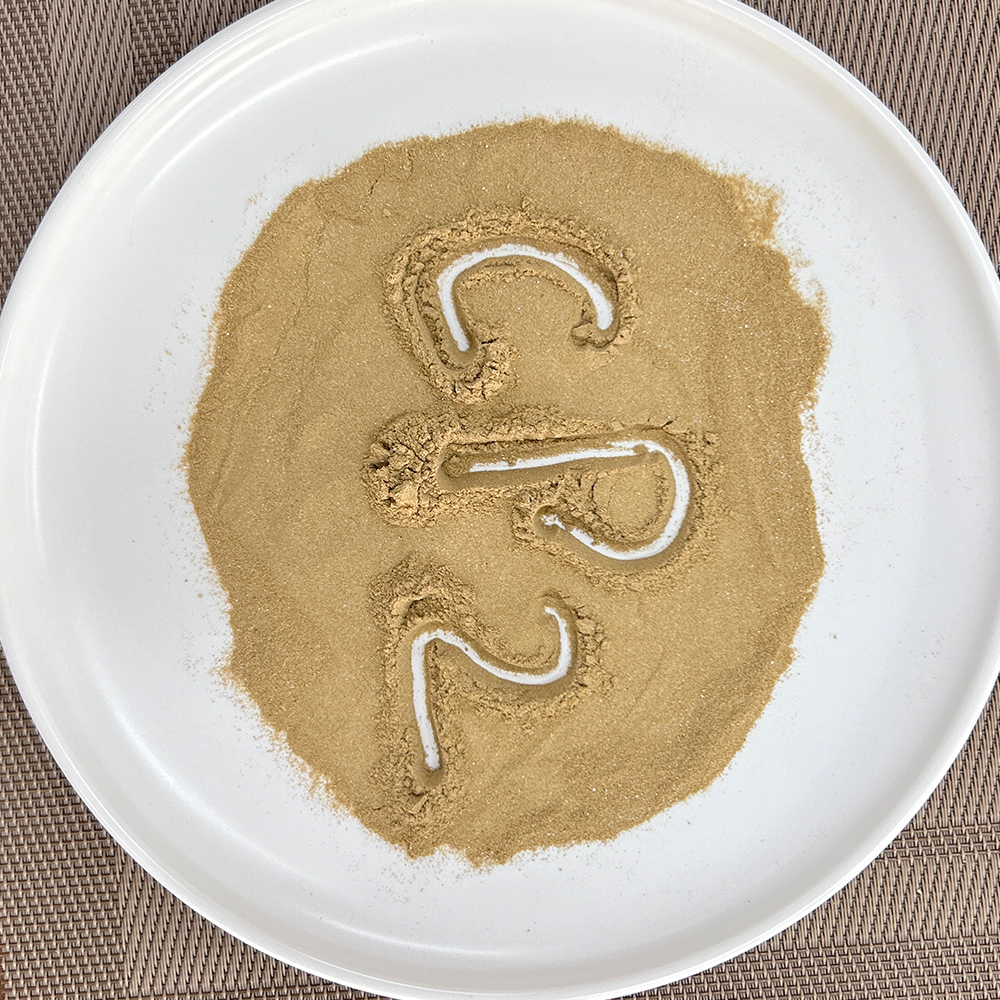
The mechanics of the coating drum dictate the homogeneity of the final product. Continuous flow systems are the standard for large-scale operations, requiring precise synchronization between kibble mass flow and palatant delivery. Utilizing discharge plates or splitters at the entry point regulates kibble volume, preventing surging and ensuring a consistent curtain of product for the spray nozzles to target. Batch coaters, while slower, offer exact weight-based dosing for highly specialized runs or veterinary diets.
Retention time within the drum is a primary variable you must control. The optimal drum length, incline angle, and rotational speed must be calibrated to achieve uniform coating without inducing excessive mechanical shear. If the drum spins too fast or the retention time is too long, the abrasive action will break down the kibble edges, generating excessive fines and degrading the product's visual appeal. Flight design inside the drum also plays a vital role in folding the kibble gently rather than dropping it aggressively from the top dead center.
Establish Baseline Flow: Calibrate the dry kibble weigh belt to ensure a steady, uninterrupted feed rate into the drum.
Set Drum Incline: Adjust the angle of the continuous drum to control the axial velocity of the kibble bed.
Adjust Rotational Speed: Dial in the RPMs to achieve a gentle rolling action, avoiding cascading or sliding which causes uneven coating.
Position Liquid Nozzles: Aim the spray headers at the downward-moving face of the tumbling kibble bed to maximize surface exposure.
Position Powder Tubes: Place the powder delivery point downstream from the liquid application to prevent nozzle fouling and ensure the fat has time to spread.
Vacuum core infusion involves placing the kibble in a sealed chamber, drawing a deep vacuum to evacuate air from the micropores, and then introducing liquid fats and palatants. As the pressure normalizes, the liquids are forced deep into the kibble core. While this method allows for massive fat inclusion rates (often used in high-performance canine diets) and provides sustained flavor, it presents conceptual trade-offs for feline diets.
Cats rely heavily on immediate olfactory impact to initiate feeding. Because vacuum infusion hides the aromatic compounds inside the core, the surface aroma is significantly reduced. Therefore, traditional surface coating remains the preferred methodology for feline diets to trigger the necessary immediate appetite response. You want the fish aroma hitting the air the second the bag opens, not waiting until the cat bites into the kibble.
Atomizing viscous liquids requires precise engineering to prevent nozzle clogging and ensure even distribution. The viscosity of marine lipids and liquid palatants changes dramatically with temperature fluctuations. Nozzle systems must be jacketed or heat-traced to maintain consistent fluid dynamics from the holding tank all the way to the spray tip. Droplet size is the defining metric for coverage quality.
If the droplets are too large, the coating will be spotty, leading to inconsistent flavor from one kibble to the next. If the droplets are too fine, the spray can atomize into a mist that gets extracted by the facility's dust collection system, wasting expensive palatant and fouling the ductwork. Air-assisted spray nozzles offer the best control over droplet size, allowing operators to fine-tune the atomization based on the specific density and viscosity of the coating liquid. You adjust the air-to-liquid ratio to dial in the perfect spray pattern.
The physical state of the kibble as it enters the coating drum dictates the success of the application. Strict parameters must be maintained for kibble exiting the dryer and cooler. Super-premium kibbles typically target a final moisture content between 8% and 10%. Temperature is equally critical when applying an ocean fish cat palatant.
If the kibble is too hot (above 45°C to 50°C), the highly volatile marine aromas will flash off into the atmosphere before they can adhere to the surface, resulting in a bland final product. Conversely, if the kibble is too cold, the applied liquid fats will congeal prematurely upon contact. This creates a lumpy, uneven surface that prevents the subsequent powder palatant from binding effectively. Operators must constantly monitor the cooler discharge temperature and adjust ambient airflow to keep the kibble in the optimal coating window.
Marine lipids are exceptionally prone to rapid oxidation due to their high concentration of double bonds. Preventing rancidity is a strict compliance and quality requirement. Integrating natural antioxidants, such as mixed tocopherols or rosemary extract, directly into the fat and liquid palatant tanks is necessary to stabilize these lipids. You cannot rely on the antioxidants added during the pre-extrusion mixing phase, as the thermal stress of the extruder destroys a significant portion of them.
This post-extrusion stabilization protects the integrity of the Omega-3 fatty acids and prevents the formation of secondary oxidation products, which emit off-odors that felines will actively avoid. Continuous monitoring of peroxide values (PV) and anisidine values (pAV) in the incoming fat supply and the finished kibble ensures the coating remains stable throughout its intended shelf life. If your PV spikes, your cats will walk away from the bowl.
Ocean fish profiles possess aggressive, lingering aromas that easily permeate production equipment. Transitioning a line from a marine-based diet to a poultry or beef-based diet presents significant operational challenges. Flavor carryover can lead to immediate rejection by cats accustomed to a specific non-fish protein profile. You cannot simply flush the line with dry kibble and expect the fish smell to disappear.
Implementing rigorous Clean-In-Place (CIP) protocols is mandatory. This involves using caustic washes to saponify and remove residual fish fats from the drum walls, spray nozzles, and transfer lines, followed by high-pressure hot water rinses and sanitizing agents. Production scheduling should sequence fish-based runs at the end of the week or immediately prior to scheduled deep-cleaning shifts to minimize cross-contamination risks.
Coating Defect | Root Cause | Corrective Action on the Floor |
|---|---|---|
High Fines in Bag | Poor powder adhesion, cold kibble | Increase kibble temp to 40°C, check liquid fat application rate |
Clumping in Drum | Over-application of liquid, slow drum speed | Reduce liquid dosing, increase drum RPM slightly |
Weak Aroma | Kibble too hot (flashing off), oxidized fat | Increase cooler airflow, check antioxidant levels in fat tank |
Spotty Coverage | Droplet size too large, clogged nozzles | Increase atomizing air pressure, clean spray tips |
Evaluating the true cost of a coating system extends far beyond the per-kilogram price of the palatant. A comprehensive cost-in-use analysis must factor in several operational variables. Palatant waste, generated through overspray, improper droplet sizing, or poor powder adhesion, directly impacts the bottom line. If your dust collector is full of expensive fish powder, your application process is failing.
Equipment energy consumption, specifically the cost of heating large holding tanks and powering air-assisted atomizers, must be calculated. Furthermore, the reduction of rejected batches—achieved through consistent, homogenous coating—significantly improves overall production ROI. Investing in high-efficiency nozzles and automated mass flow controllers often yields a rapid payback period by minimizing expensive palatant loss and ensuring every batch meets quality specifications.
Standardized testing protocols are essential for validating the coating process. Visual homogeneity checks should be conducted at regular intervals to ensure consistent color and surface texture across the kibble mass. Post-coating moisture analysis verifies that the liquid application has not pushed the product into a range susceptible to microbial growth. You must pull samples directly from the packaging line, not just the drum exit, to account for any moisture equilibration.
Ultimately, palatability trials serve as the definitive validation tool. Monadic testing (single bowl) measures absolute acceptance and total intake volume, while two-bowl preference tests benchmark the new ocean fish coating against competitor products or legacy formulations. Consistent performance in these controlled feeding trials confirms that the coating methodology is effectively delivering the intended aroma and flavor profiles.
Audit your current spray nozzle configurations to eliminate overspray and ensure correct droplet sizing for viscous marine liquids.
Initiate pilot-scale coating trials to dial in drum retention times and incline angles for sequential dual-coating applications.
Run accelerated stability tests on the finished kibble to verify antioxidant efficacy and track peroxide values over time.
Calibrate mass flow meters on all liquid holding tanks to prevent over-dosing and subsequent moisture spikes in the final product.
Implement strict Clean-In-Place (CIP) scheduling to isolate ocean fish production runs and eliminate flavor carryover to other product lines.
A: The industry standard for liquid cat food palatant application ranges from 1% to 4% of the total formula weight. The exact rate depends on the palatant's concentration level, the desired caloric density of the final diet, and the maximum allowable moisture threshold of the finished kibble to prevent microbial growth.
A: Powder palatants require a binding agent to stick to the kibble surface effectively. This is achieved by applying a primer coat of liquid fat or liquid palatant immediately before introducing the powder. The wet surface creates a tacky layer that captures and holds the powder during the tumbling process.
A: Aroma loss typically occurs when palatant is applied to kibble that is too hot (exceeding 50°C). The residual heat causes the highly volatile marine compounds to flash off into the atmosphere rather than binding to the kibble. Inadequate antioxidant stabilization can also lead to rapid aroma degradation through lipid oxidation.
A: Concentrated liquid palatants contain significantly less water, offering higher flavor intensity at lower inclusion rates. This reduces unwanted moisture addition to the kibble, lowers shipping and storage costs, but requires highly precise micro-dosing equipment to ensure accurate application compared to standard liquid formats.
A: Homogenous coating is achieved by utilizing discharge splitters to maintain a consistent, surge-free kibble feed rate into the drum. Additionally, operators must optimize drum retention time, adjust the incline angle, and ensure spray nozzles are calibrated to deliver the correct droplet size across the continuous product curtain.
A: While possible, vacuum infusion is generally not preferred for feline diets. Cats rely heavily on immediate surface aroma to initiate feeding. Vacuum infusion forces the palatant deep into the kibble core, hiding the volatile ocean fish aromas and significantly reducing the initial olfactory impact required for first-bite acceptance.


 phoebe@tdtbio.com
  +86-18972222769
 Haowangzhuang Town, Wucheng County, Dezhou City, Shandong Province, China