

Views: 0 Author: Site Editor Publish Time: 2026-07-29 Origin: Site


Natural animal-derived ingredients inherently suffer from batch-to-batch variability, making consistent flavor delivery one of the most persistent challenges in pet food manufacturing. Fluctuations in flavor intensity directly impact pet acceptance and feed intake. Inconsistent palatability leads to consumer brand-switching, increased formulation waste, and costly product recalls or reformulations. Additionally, while a premium Pet Food Palatant can significantly enhance flavor, it cannot fully compensate for a highly aversive or poorly formulated baseline kibble matrix.
To achieve commercial scalability without sacrificing quality, R&D and procurement teams must adopt rigorous standardization protocols for chicken liver palatants. This guide details the biochemical evaluation, processing controls, and application frameworks necessary to standardize flavor intensity in modern pet food production. We will look at exact processing parameters, analytical testing methods, and application machinery setups that guarantee uniform performance across every production run.
Biochemical Standardization is Non-Negotiable: Relying solely on raw material weight is insufficient; standardizing flavor requires measuring specific volatile compounds (aldehydes, ketones, furans, and pyrazines) generated during the Maillard reaction.
Application Dictates Specification: The required flavor intensity profiles differ significantly depending on whether the application is a topical kibble coating, a dual-stage liquid-powder system, or an internal matrix for tableting chicken liver powder.
Species-Specific Calibration: A powder cat food palatant requires distinct enzymatic hydrolysis profiles compared to a powder dog food palatant due to differing species-level taste receptor sensitivities.
Mitigating Oxidation Risks: Standardized flavor intensity cannot be maintained without strict lipid oxidation controls and validated emulsification strategies (typically 0.01% to 5%, up to a maximum of 10% depending on matrix complexity) during the coating process.
In commercial pet food manufacturing, standardized intensity goes beyond simple human sensory evaluation. It is defined by an acceptable, narrow variance in the concentration of specific volatile compounds and consistent performance in validated two-bowl testing. Success criteria dictate that a batch of palatant must deliver the exact same aromatic release and taste profile as the previous batch, ensuring the animal experiences no disruption in their feeding routine. When flavor intensity is truly standardized, formulators can predict intake ratios with high confidence. We measure this through exact parts-per-million (ppm) counts of target pyrazines and aldehydes.
Achieving this requires moving away from treating liver as a bulk commodity. Instead, it must be handled as a reactive biochemical substrate. Every thermal step, from initial rendering to final spray drying, alters the volatile profile. Standardized intensity means locking down these thermal parameters so the end product performs identically whether it was manufactured in January or July.
The inherent variability of natural ingredients poses a constant challenge. Raw material sourcing plays a massive role in the baseline amino acid and lipid profiles of chicken liver. Seasonal changes in poultry diets, variations in rendering temperatures, and the time elapsed between harvesting and processing all influence the biochemical makeup of the liver. These raw material fluctuations mean that a standard weight-based inclusion rate will not yield a standard flavor intensity.
For example, a batch of liver sourced from broilers fed a high-corn diet will have a different lipid profile than those fed a wheat-heavy diet. This alters the precursor pool available for flavor generation. Without targeted enzymatic processing and controlled Maillard reactions, the resulting palatant will exhibit unpredictable aromatic peaks and valleys. Formulators must implement incoming raw material testing to adjust processing parameters dynamically, compensating for these natural variations before the palatant is finalized.
The nutritional profile and processing history of the core kibble heavily dictate overall palatability. A common technical reality in formulation is that while a high-quality pet food palatant optimizes acceptance, it cannot entirely mask highly aversive baseline raw ingredients. Bitter notes from certain plant proteins, rancidity from oxidized fats, or off-flavors from excessive thermal processing will punch through the flavor coating.
Consider a kibble formulated with high levels of poorly refined pea protein or oxidized fish meal. The astringency and rancid notes will compete with the savory signals of the chicken liver. Formulators must ensure the baseline matrix is as neutral and stable as possible. This involves optimizing extruder barrel temperatures to prevent scorching and utilizing high-quality, stabilized fats in the base mix. Only then can the applied palatant perform at its full potential.
Variable palatability carries severe downstream effects for manufacturers. When a pet refuses a meal due to a drop in flavor intensity, the immediate result is disrupted feed intake. This quickly translates to negative consumer reviews and a loss of brand trust. Financially, the impact of rejected production batches, increased waste, and the labor required to reformulate or troubleshoot inconsistent runs can devastate profit margins.
Beyond immediate waste, inconsistent flavor profiles complicate inventory management. If a specific batch of palatant is deemed "weak," operators might attempt to increase the application rate to compensate. This throws off the entire formulation balance, potentially exceeding maximum fat or moisture limits, and driving up production costs. Standardizing flavor intensity is a critical risk management strategy to protect the bottom line and ensure operational efficiency.
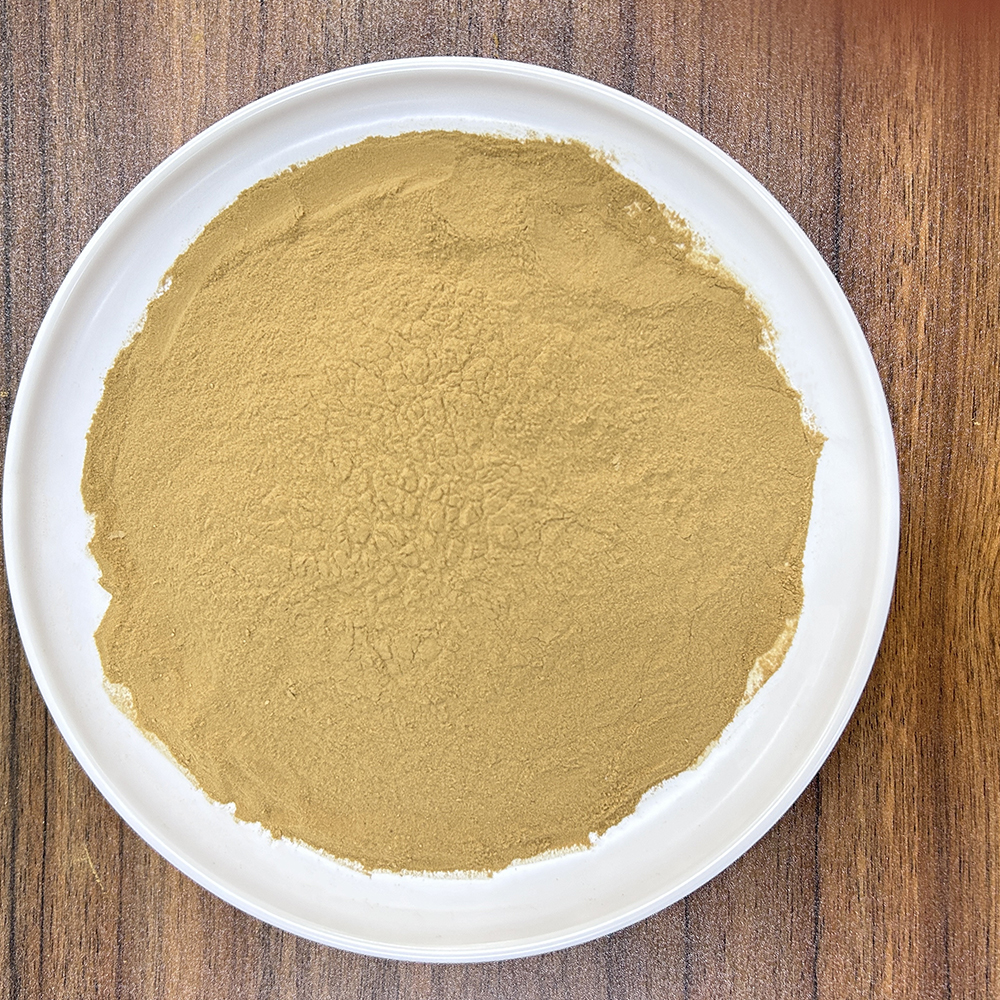
Controlling temperature, moisture, and reaction time during processing is essential to standardize the formation of flavor-critical compounds. The Maillard reaction—a chemical interaction between amino acids and reducing sugars—generates the savory, roasted notes that drive pet acceptance. Standardizing flavor requires measuring the specific volatile compounds produced, namely aldehydes, ketones, furans, and pyrazines. Relying on subjective human sensory evaluation is inadequate for this task.
Precise thermal processing ensures these compounds are generated at consistent concentrations batch after batch. For instance, holding a liver slurry at 95°C for exactly 45 minutes with a specific xylose addition will yield a predictable spike in 2-methylpyrazine. Deviating by even 5°C or 10 minutes alters the reaction pathway, potentially generating bitter melanoidins instead of savory flavor markers. We track these reactions using strict time-temperature curves.
Modern quality control relies on objective evaluation lenses to quantify aroma profiles. Gas chromatography-mass spectrometry (GC-MS) allows chemists to identify and measure the exact concentration of volatile flavor markers. Complementing this, Electronic Nose (e-Nose) technology provides rapid, automated aroma profiling. These tools detect off-flavors, such as early-stage rancidity or processing anomalies, long before the product is released for shipping.
Integrating GC-MS and e-Nose data creates a robust, quantifiable fingerprint for every batch of palatant. When a new batch is produced, its e-Nose radar plot is overlaid against the established gold standard. If the plot deviates beyond a 5% tolerance threshold, the batch is flagged. This removes human bias from the QA process and ensures that only palatants meeting the exact aromatic specifications reach the coating equipment.
Biochemical standardization must ultimately correlate with actual animal behavior. Industry-standard in-vivo testing protocols validate the efficacy of the palatant. Two-bowl testing measures first choice (which bowl the animal approaches and eats from first), consumption ratio, and total intake ratio. By running these trials against control batches, manufacturers can confirm that the standardized volatile compound concentrations translate directly into high acceptance rates among dogs and cats.
A standard testing protocol involves a minimum of 30 animals over a two-day crossover trial. The data is analyzed for statistical significance to ensure the observed preference is not due to chance. We look for a minimum consumption ratio of 2:1 against a negative control to validate the palatant's efficacy. This in-vivo data closes the loop, proving that the biochemical markers we track in the lab actually matter to the animal.
Palatants are generally classified into liquid and powder formats, each serving distinct structural and application purposes. Liquid palatants are typically applied at rates between 1% and 4% of the total kibble weight. They excel at providing an initial burst of aroma and helping to bind subsequent dry coatings. Powder palatants are usually applied at 0.5% to 3%. Powders deliver concentrated, sustained taste signals that drive continued consumption once the animal begins chewing.
The choice between liquid and powder often depends on the manufacturing facility's capabilities. Liquid systems require heated tanks, insulated piping, and precise mass flow meters to prevent clogging and ensure accurate dosing. Powder systems require loss-in-weight feeders and enclosed coating drums to manage dust and ensure even distribution. Many modern facilities utilize both to maximize palatability.
Combining both liquid and powder palatants creates a highly synergistic effect. In a dual-application strategy, the liquid palatant is applied first to enhance top-note aromas and create a tacky surface on the kibble. A subsequent topical coating of powder adheres to this liquid layer. This method provides immediate, high-impact taste signals while ensuring the flavor is distributed evenly across the kibble surface, maximizing overall palatability.
First, the kibble exits the dryer and enters the coating drum at approximately 40°C to 50°C.
A base layer of fat (e.g., chicken fat or beef tallow) is sprayed onto the kibble to provide caloric density and a binding matrix.
The liquid palatant is atomized and sprayed over the fat layer, infusing the lipid matrix with volatile aromas.
Finally, the dry powder palatant is sifted onto the tumbling kibble, adhering to the wet surface and creating a concentrated flavor shell.
Canine and feline taste receptors differ drastically, necessitating tailored flavor profiles. Formulators cannot use a universal palatant and expect top-tier performance across both species.
Feline Requirements: A powder cat food palatant requires distinct enzymatic hydrolysis profiles. Cats have a high sensitivity to specific amino acids and demand high-intensity acidic and umami profiles. Targeted enzymatic breakdown of liver proteins is required to release the exact peptide chains that trigger feline taste receptors. We often utilize specific exopeptidases to cleave terminal amino acids that cats find highly attractive.
Canine Requirements: Conversely, a powder dog food palatant focuses on a broader acceptance of lipid-driven, sulfur-containing, and Maillard-reaction-heavy flavor profiles. Dogs are highly responsive to the savory, meaty notes generated during thermal processing. The hydrolysis process for dogs is generally less aggressive, focusing on generating larger peptide fragments that contribute to mouthfeel and sustained savory notes.
Flavor standardization extends beyond extruded kibble into the supplement sector. Using tableting chicken liver powder requires meeting specific physical and chemical requirements. The powder must exhibit excellent flowability, a precise particle size distribution, and high compressibility to form durable tablets. Furthermore, it must maintain a low moisture content to prevent the degradation of active supplement ingredients while still delivering a concentrated flavor payload that ensures pets willingly consume the chewable.
In tableting applications, the palatant acts as both a flavor enhancer and a functional excipient. If the powder is too hygroscopic, it will cause the tablet press to jam. If the particle size is too large, the tablets will suffer from capping or lamination. We engineer tableting powders with specific spray-drying parameters to create spherical, free-flowing particles that compress cleanly while retaining their full aromatic profile.
Formulators face conceptual trade-offs when sourcing liver powders. Highly processed palatants often deliver superior consistency and intense flavor profiles because the biochemical reactions are tightly controlled. However, they may conflict with clean label marketing initiatives. On the other hand, minimally processed options appeal to consumers seeking natural ingredient lists but carry a higher risk of batch-to-batch flavor variance. Balancing consistency with label claims is a primary procurement challenge.
Procurement teams must evaluate suppliers based on their ability to bridge this gap. A premium supplier can deliver a minimally processed label while utilizing advanced, non-chemical processing techniques (like precise thermal control and natural enzymes) to maintain consistency. This requires a deep understanding of the supplier's manufacturing capabilities and a willingness to audit their facilities to verify their process controls.
To achieve consistent umami intensity, suppliers utilize specific proteases and peptidases during the manufacturing of natural chicken liver powder. This enzymatic processing standardizes peptide chain lengths, breaking down complex liver proteins into highly palatable, soluble fractions. The degree of hydrolysis directly dictates the final flavor profile. Precise control over the enzymatic reaction time and temperature ensures that the resulting powder delivers a uniform taste experience.
The hydrolysis process is monitored using Degree of Hydrolysis (DH) metrics. A DH of 15% might yield a mild, brothy flavor, while a DH of 35% will produce intense, sharp umami notes. We stop the enzymatic reaction at the exact target DH by rapidly heating the slurry to denature the enzymes. This precision prevents the formation of bitter peptides that occur if hydrolysis is allowed to proceed unchecked.
Standardization processes must align with AAFCO guidelines and support specialized label claims such as grain-free, limited ingredient, non-GMO, or natural. Formulating for low fat diets presents a unique challenge. Since many volatile flavor compounds are lipid-derived, restricting fat content inherently reduces flavor intensity. Suppliers must utilize advanced enzymatic techniques to maximize the umami and savory notes from the protein fraction to compensate for the reduced lipid-driven aromas.
When formulating for limited ingredient diets, the palatant must not introduce undeclared allergens or carrier starches that violate the label claim. We often use the core protein source of the diet (e.g., chicken liver for a chicken-based diet) as the sole palatant base, avoiding complex mixtures that could trigger sensitivities. This requires the single-source palatant to be exceptionally potent to drive acceptance on its own.
Even a perfectly standardized palatant can fail if mishandled post-manufacturing. The primary threats to flavor intensity include lipid oxidation, moisture absorption, and volatile compound degradation during storage. If a powder absorbs ambient humidity, it can clump, leading to uneven application. If the lipid fraction oxidizes, the resulting rancidity will completely mask the intended savory notes, leading to immediate product rejection by the pet.
Storage conditions at the manufacturing facility are critical. Palatants should be stored in climate-controlled environments, away from direct sunlight and extreme temperature fluctuations. Inventory should be managed on a strict First-In, First-Out (FIFO) basis to ensure the palatant is used well within its optimal freshness window.
Protecting the flavor profile over a 12-to-18-month shelf life requires strict antioxidant protocols. Natural tocopherols and rosemary extract are commonly used for clean-label products, while synthetic options like BHA or BHT offer robust protection for standard lines. Additionally, high-barrier packaging is necessary to prevent oxygen and moisture ingress, ensuring the volatile compounds remain stable until the product is applied to the kibble.
We monitor oxidation using Peroxide Value (PV) and Hexanal testing. PV measures primary oxidation products, while Hexanal measures secondary oxidation (the compounds that actually smell rancid). A robust QA program tests retained samples of palatant every 30 days to track the oxidation curve and verify that the antioxidant package is performing as expected throughout the stated shelf life.
Maintaining flavor intensity during commercial scale-up requires specialized application equipment. Moving from a pilot mixer to a continuous production line introduces variables in coating distribution. Using spinning disc applicators or vacuum coating systems ensures even distribution across the entire batch. Uneven coating leads to localized areas of high and low flavor intensity, defeating the purpose of using a standardized palatant.
Vacuum coating is particularly effective for high-fat diets. The kibble is placed in a sealed drum, and a vacuum is pulled to remove air from the internal pores. The liquid fat and palatant are sprayed in, and the vacuum is released, driving the flavor deep into the kibble matrix. This protects the flavor compounds from physical abrasion during packaging and transport, ensuring a consistent flavor release when the pet chews the kibble.
When utilizing liquid palatants or fat coatings, emulsification is critical. Precise dosing of emulsifiers stabilizes the liquid-lipid-powder interfaces, guaranteeing uniform flavor release. Emulsifiers are typically added at a rate of 0.01% to 10%, with 0.01% to 5% being the preferred commercial range depending on the matrix complexity. Proper emulsification prevents phase separation in liquid tanks and ensures a homogenous coating on the kibble.
If a liquid palatant separates in the holding tank, the first half of the production run will receive a watery, low-flavor coating, while the second half will receive a thick, overly concentrated sludge. We utilize high-shear inline mixers and specific emulsifying agents (like lecithin or specialized polysorbates) to maintain a stable suspension throughout the entire production run.
Procurement teams must demand comprehensive Certificates of Analysis (CoA) to verify standardized flavor intensity. Relying on basic nutritional data is insufficient. A robust QA protocol requires specific data points.
Quality Parameter | Significance for Flavor Standardization | Testing Methodology |
|---|---|---|
Moisture Content | Prevents clumping and microbial growth; ensures accurate dosing. | Karl Fischer Titration or Loss on Drying |
Peroxide Value (PV) | Indicates primary lipid oxidation; critical for preventing rancidity. | AOCS Official Method Cd 8b-90 |
Free Fatty Acids (FFA) | Measures fat degradation; high levels indicate poor raw material quality. | AOCS Official Method Ca 5a-40 |
Protein Solubility | Reflects the degree of enzymatic hydrolysis and umami availability. | Nitrogen Solubility Index (NSI) |
Target Volatile Markers | Quantifies specific aldehydes and pyrazines to guarantee aroma intensity. | Gas Chromatography-Mass Spectrometry (GC-MS) |
Initiate pilot trials to evaluate the synergy between your baseline kibble and the new palatant using a small-scale coating drum.
Request standardized CoAs alongside all product samples to verify volatile marker concentrations and oxidation status before running any animal trials.
Conduct independent shelf-life stability tests to ensure the flavor profile remains intact under real-world storage conditions.
Audit your supplier's facility to confirm they utilize advanced enzymatic hydrolysis and GC-MS profiling rather than relying on subjective sensory evaluation.
A: Powder palatants are typically applied at an inclusion rate of 0.5% to 3% of the total kibble weight. This contrasts with liquid applications, which generally range from 1% to 4%. Combining both formats in a dual-application strategy maximizes palatability by providing an initial aromatic burst followed by sustained taste signals.
A: No. While premium palatants significantly enhance positive flavor notes and aromas, they cannot completely mask highly aversive baseline raw ingredients. Bitter plant proteins or rancid fats will still negatively impact acceptance. The core kibble matrix must be nutritionally sound and relatively neutral for the palatant to perform optimally.
A: The Maillard reaction is a chemical interaction between amino acids and reducing sugars that occurs during thermal processing. It generates consistent, savory flavor compounds such as aldehydes, ketones, furans, and pyrazines. Controlling this reaction is essential for standardizing the roasted, meaty aromas that drive pet acceptance.
A: The primary difference lies in the enzymatic processing. Cat food palatants are formulated to meet feline preferences for specific amino acids and high-intensity acidic and umami profiles. Dog food palatants focus on broader acceptance of lipid-driven, sulfur-containing, and Maillard-reaction-heavy flavor profiles tailored to canine taste receptors.
A: Emulsifiers stabilize the interface between liquids, fats, and dry powders during the coating process. Typically applied at 0.01% to 5%, they prevent phase separation and ensure the flavor compounds are distributed evenly across every kibble piece, guaranteeing uniform flavor release and consistent palatability.


 phoebe@tdtbio.com
  +86-18972222769
 Haowangzhuang Town, Wucheng County, Dezhou City, Shandong Province, China