

Views: 0 Author: Site Editor Publish Time: 2026-09-18 Origin: Site


Batch rejection in commercial cat food manufacturing carries severe financial and reputational costs. Feline consumers are notoriously selective, making sensory consistency, appetite stimulation, and behavioral satisfaction non-negotiable manufacturing metrics. Sensory drift in raw materials, processing variations, and the complex nature of feline olfactory and gustatory receptors lead to unpredictable Intake Ratios (IR) and First Choice (initial preference) metrics if not rigorously screened. Establishing a robust sensory batch screening protocol—combining instrumental analysis, human QA panels, and in-vivo testing—bridges the gap between R&D formulation and commercial-scale production, ensuring consistent performance of any Pet Food Palatant.
Hybrid Screening is Mandatory: Relying solely on in-vivo (animal) panels is too slow for active batch release; integrating electronic sensors (e-noses/e-tongues) accelerates QA/QC processes and New Product Development (NPD).
Format Dictates Methodology: Screening parameters must be customized based on whether the facility is evaluating a powder cat food palatant, a standard liquid, or a concentrated liquid cat palatant.
Dry vs. Wet Inclusion Dynamics: Dry kibble relies on higher inclusion rates and frequent palatant application, whereas wet foods leverage natural moisture and inherent palatability but require specialized screening for processing survival.
Processing Variables Impact Efficacy: Sensory screening must account for downstream processing stressors, including thermal degradation during extrusion or retorting in wet food applications.
Supplier Transparency is Critical: Procurement teams must evaluate palatant suppliers based on their internal sensory consistency, raw material traceability, and shelf-life stability data.
Evaluating palatability on the plant floor requires precise, repeatable metrics. Plant managers must differentiate between Intake Ratio (IR) and First Choice. Intake Ratio measures sustained consumption over a specific feeding period. It indicates how well a diet maintains a cat's interest after the initial tasting phase. A successful batch release often requires a minimum IR of 0.6 against a known control standard. First Choice measures initial aromatic attraction. It reveals which bowl the cat approaches and tastes first, driven entirely by the volatile organic compounds (VOCs) released from the kibble surface.
Consumption volume alone does not define a successful production run. Evaluators must measure behavioral satisfaction markers. Operators look for immediate bowl approach, continuous feeding without looking up, prolonged bowl-licking, and clear post-meal grooming cues. A cat may consume enough calories to survive, but a lack of feeding enthusiasm signals a sensory failure. Standardizing these behavioral observations ensures that every batch leaving the facility delivers a premium feeding experience.
Feline sensory biology dictates strict formulation and screening strategies. Cats are obligate carnivores. They possess specialized amino acid receptors tuned to specific animal proteins. Due to a pseudogene mutation, cats lack functional sweet taste receptors. Their feeding decisions rely heavily on L-amino acids, such as proline and cysteine, alongside pyrophosphates and volatile aroma compounds. If a diet lacks the correct aromatic profile, a cat will simply refuse to taste it.
This biological reality requires tight sensory screening tolerances. Canine palatability testing allows for broader flavor variations and carbohydrate inclusions. Feline testing demands absolute precision. Even minor deviations in umami or fat-derived volatile compounds trigger immediate rejection. QA teams must calibrate their screening protocols to match this heightened feline sensitivity, ensuring moisture levels and fat coatings perfectly support aroma release.
Sensory drift destroys product consistency and kills production schedules. Minor fluctuations in raw material sourcing alter the final sensory profile. For example, if a rendering facility changes its cooking temperature by just 10 degrees, the resulting poultry fat develops a slightly different volatile profile. The human nose often misses this shift. The cat does not.
A single rejected batch of extruded kibble costs thousands in lost materials, wasted energy, and operational downtime. Reworking 50 tons of rejected product ties up silos and delays shipments. Implementing strict sensory batch screening catches these variations before the coating phase. Proactive screening ensures that natural raw material variances do not compromise the final consumer experience or the plant's bottom line.
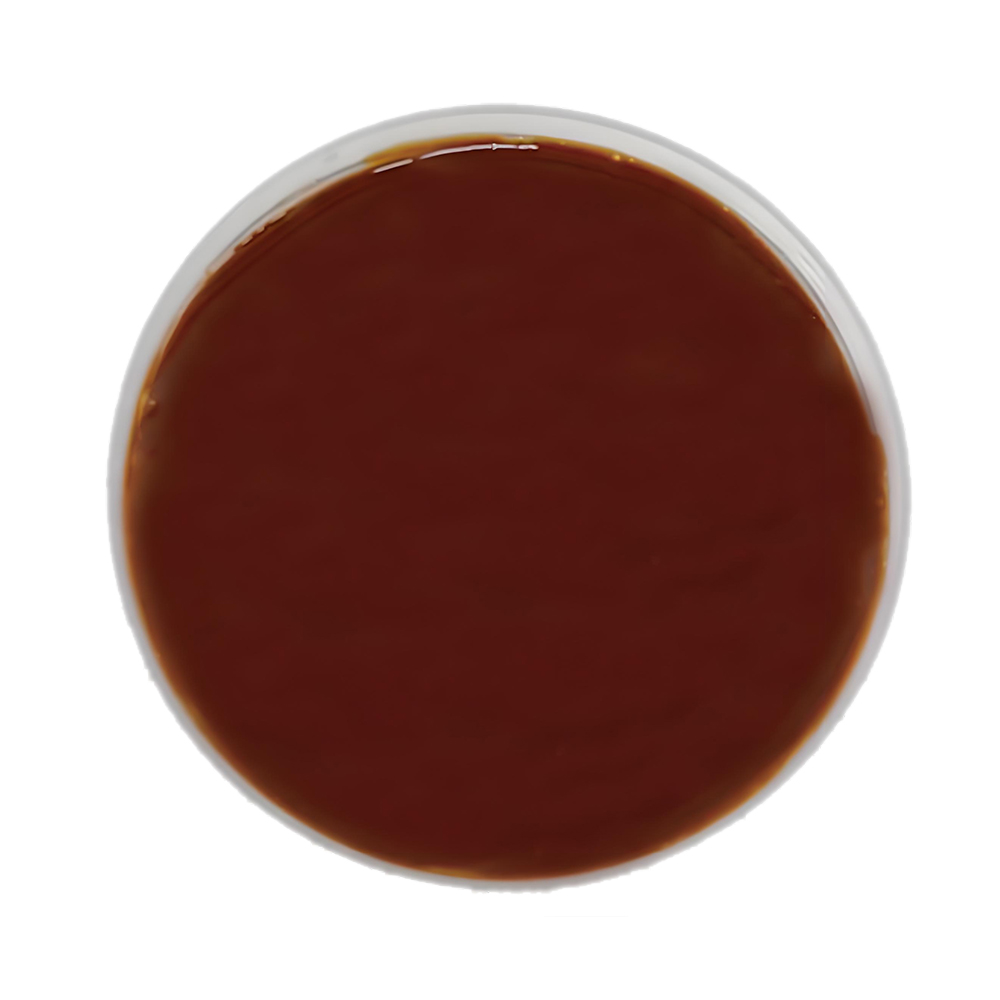
Screening a standard liquid cat food palatant requires specific physical evaluations before it ever hits the kibble. QA teams must test viscosity consistency, moisture content, and emulsion stability. If viscosity exceeds operational limits at 20°C, spray nozzles clog. This leads to uneven application, creating "hot spots" of flavor and leaving other kibbles bare. Emulsion stability is tested via centrifuge to ensure fats and flavor compounds do not separate in the holding tanks.
Evaluating volatile compound retention is a daily requirement. Topical spray applications on dry kibble expose liquids to rapid oxidation. Inclusion in wet food gravies subjects them to heavy dilution. Manufacturers adjust inclusion rates based on the base diet's inherent appeal. Dry kibble demands high dependency on these liquids to drive intake, often requiring 1% to 3% inclusion. Wet foods use them at much lower rates for complementary enhancement.
Upgrading to a concentrated liquid cat palatant introduces new operational variables. Facilities must assess the thermal stability of these concentrated formats rigorously. High-heat processing causes flavor flashing, where volatile aromatics evaporate before the product cools on the belt. Concentrated formats require lower inclusion rates (often under 1%) but demand higher precision from the dosing pumps during application.
Testing a powder cat food palatant involves distinct physical parameters. Particle size distribution dictates how well the powder adheres to the fat-coated kibble surface. QA teams perform sieve analysis to ensure a specific distribution, such as 90% passing through a 60-mesh screen. Powders that are too fine get sucked into the plant's dust collection system. Powders that are too coarse fail to stick, accumulating uselessly at the bottom of the packaging.
Hygroscopicity requires careful monitoring in humid plant environments. Powders absorb moisture rapidly. Excessive moisture leads to clumping in silos, bridging in hoppers, and uneven application in the coating drum. QA teams measure adherence rates post-coating and evaluate sensory release upon interaction with feline saliva. The powder must dissolve rapidly in the mouth to deliver an immediate umami burst.
Marine-based formulas require highly specialized screening protocols. When evaluating an ocean fish cat palatant, QA teams test aggressively for lipid oxidation and amine volatility. Fish by-products degrade rapidly if not stabilized immediately after catch. This degradation produces off-notes that cats instantly reject. Facilities run Peroxide Value (PV) and p-Anisidine tests to catch oxidation early.
Standardizing batch-to-batch aroma profiles presents a major operational challenge. Natural variances in fish species, catch seasons, and rendering methods alter the baseline aroma. Strict volatile organic compound (VOC) mapping ensures the marine profile remains consistent. Teams monitor biogenic amines like histamine and cadaverine to ensure the product remains both palatable and safe.
Palatant Format | Primary Screening Metrics | Application Challenges | Feline Sensory Impact |
|---|---|---|---|
Standard Liquid | Viscosity (centipoise), emulsion stability, moisture % | Nozzle clogging, separation in holding tanks | Initial aromatic attraction, fat mouthfeel |
Concentrated Liquid | Thermal stability, volatile retention, specific gravity | Flavor flashing, dosing pump precision | Intense aroma burst, high First Choice metrics |
Powder | Particle size (mesh), hygroscopicity, adherence % | Dusting, silo bridging, bag settling | Sustained taste, rapid saliva dissolution |
Ocean Fish (Marine) | Lipid oxidation (PV), biogenic amine volatility | Rancidity control, seasonal raw material variance | Specific amino acid receptor activation |
Deploying sensor technology changes how plants handle batch-to-batch quality control. Electronic noses (e-noses) use metal oxide semiconductor (MOS) sensors to detect specific VOCs like aldehydes, ketones, and amines. They provide rapid, objective data, eliminating the subjectivity inherent in human panels and the 48-hour delays of animal testing. By analyzing these chemical signatures, manufacturers predict feline receptor responses with high accuracy before the truck even unloads.
Sensor data accelerates New Product Development (NPD). R&D teams use e-noses to reverse-engineer competitor palatability benchmarks. They establish a target chemical profile and formulate to match it. High initial calibration costs deter some facilities, but the ROI becomes clear when preventing a single batch rejection. Teams need continuous data modeling to correlate sensor readings with actual animal behavior. An e-nose only adds value if its radar plots accurately predict feline acceptance.
Animal panels remain the ultimate validation tool for any formulation change. Two-bowl testing measures preference and Intake Ratio (IR). The cat receives two distinct diets simultaneously. Evaluators record which bowl the cat approaches first and how much of each diet they consume. Facilities use a two-day crossover design to eliminate side bias, as many cats naturally prefer the right or left bowl regardless of the food inside.
Monadic testing measures absolute acceptance. The cat receives only one diet. Evaluators measure total consumption and eating enthusiasm, mimicking the actual in-home feeding experience. Managing biological variability is a daily task. Panel fatigue, environmental stressors, and individual dietary histories skew results. Testing facilities maintain strict temperature, lighting, and noise controls to ensure reliable data.
Trained human evaluators serve as the first line of defense on the receiving dock. They detect off-notes, rancidity, and visual inconsistencies long before expensive animal trials begin. Human panels evaluate the incoming raw materials and the final coated product. They identify textural anomalies and color shifts that machines might miss during a rapid scan.
Establishing standardized lexicons is a requirement for human panels. Evaluators use precise terminology to describe aromas. Terms like meaty, metallic, oxidized, earthy, or rancid must mean the exact same thing to every panelist. Facilities often use triangle tests to determine if a new supplier's raw material is perceptibly different from the control. This standardized vocabulary allows QA teams to document sensory drift accurately and force suppliers to correct deviations.
Application methods dictate sensory delivery. Vacuum infusion pulls liquids deep into the kibble matrix. This protects volatile compounds from oxidation but reduces the immediate surface aroma that drives First Choice. Topical spray via spinning disk applicators coats the exterior, providing a massive initial aroma burst. However, topical applications expose the flavor compounds to air, reducing shelf life. Manufacturers screen batches based on the specific application technology used in their facility.
Kibble cooling rates impact palatant degradation. Applying liquids to kibble exiting the dryer at 60°C causes immediate flavor flashing. Applying them to kibble that has cooled below 30°C prevents proper fat absorption, leaving the kibble greasy. Fat application sequencing also matters. Spraying the fat first seals the kibble, allowing the powder to stick to the surface rather than falling into the pores. Screening protocols replicate these exact factory conditions to validate performance.
Wet food processing introduces extreme thermal stress. Retorting involves commercial sterilization temperatures, often hitting 121°C for 60 minutes. This thermal cycle easily destroys delicate aldehydes and volatile flavor compounds. Evaluating palatability survival through these thermal cycles is a strict requirement. Formulators often overdose the palatant or use heat-stable precursors that develop flavor during the retort process via the Maillard reaction.
Flavor diffusion varies across wet matrices. Chunks in gravy, pate, loaf, and jelly formats release aromas differently. Screening analyzes how flavor compounds migrate from the meat matrix into the surrounding gravy over time. Teams evaluate the interaction between palatants and texturizers. Hydrocolloids and gums trap volatile compounds, muting the aroma and reducing feline First Choice metrics if not properly balanced.
Sensory attributes degrade over time. Accelerated aging tests monitor this degradation. Facilities place samples in environmental chambers at 40°C and 75% relative humidity to simulate months of storage in mere weeks. Evaluators test these aged samples using e-noses and animal panels to ensure the product remains palatable at the end of its 12-month or 18-month stated shelf life.
Packaging interactions require strict scrutiny. Barrier films and polyethylene liners absorb fat-soluble volatile aroma compounds directly from the kibble. This phenomenon, known as flavor scalping, leaves the food bland and unappealing by the time the consumer opens the bag. Stability testing includes evaluations of the product inside its final commercial packaging to guarantee the aroma reaches the consumer's home intact.
Procurement teams audit supplier QA methodologies rigorously. Plant managers ask direct questions during facility audits. Do they have an e-nose on site? Do they provide a Certificate of Analysis (COA) with VOC mapping for every lot? Suppliers must provide batch-specific instrumental data alongside their shipments. This transparency allows manufacturers to verify consistency before unloading the truck into the plant's holding tanks.
Traceability of raw materials ensures consistent sensory baselines. Suppliers document the origin of every protein and fat used in their formulas. If a supplier frequently changes their raw material sources to cut costs, the resulting sensory drift triggers batch rejections at the extrusion facility. Procurement demands strict supply chain visibility to prevent these hidden formulation changes.
Sensory optimization cannot override nutritional compliance. Formulators balance flavor enhancement with strict dietary limits. Many flavor enhancers contain high levels of sodium or inorganic phosphates. QA teams screen incoming batches to ensure these minerals do not push the final diet beyond regulatory thresholds, especially in specialized renal or urinary diets.
Microbiological safety remains a constant focus. Liquid formats with higher moisture content pose microbial risks. Powders require low water activity (Aw < 0.6) to prevent pathogen growth. Suppliers ensure microbiological safety (testing for Salmonella and Enterobacteriaceae) without compromising the aromatic profile. Aggressive chemical preservatives introduce bitter off-notes that cats reject. Screening verifies that preservation methods maintain both safety and palatability.
Calibrate e-nose sensors weekly against known in-vivo validated control samples to ensure predictive accuracy.
Implement a two-stage coating validation process, testing kibble immediately after the spinning disk applicator and again after the cooling conveyor.
Require suppliers to submit batch-specific VOC mapping and accelerated shelf-life data for every marine-based flavor profile before accepting delivery.
Transition from single-bowl monadic testing to a two-day crossover design for all new product development to eliminate feline side bias.
Audit packaging suppliers to measure flavor scalping rates in barrier films, adjusting palatant inclusion rates to compensate for expected volatile loss.
A: It is a specialized ingredient, available in liquid or powder formats, applied to pet food to enhance aroma, taste, and mouthfeel. It stimulates appetite, ensures consistent caloric intake, and drives behavioral satisfaction in highly selective animals like cats.
A: Evaluators use a two-bowl test methodology. They divide the total consumption of a test diet by the total combined consumption of both the test diet and a control diet. This calculation determines the animal's sustained preference over a specific feeding period.
A: Application methods and sensory delivery differ. Liquids are sprayed onto kibble alongside fats to provide an immediate aroma burst. Powders are dusted onto the exterior to provide sustained taste, rapid saliva dissolution, and structural adherence to the kibble surface.
A: Wet foods are naturally more palatable due to their high moisture content and raw meat inclusion. Dry kibble lacks this inherent appeal. It relies heavily on concentrated flavor coatings to drive the initial aromatic choice and maintain sustained intake.
A: No. E-noses and e-tongues are excellent for rapid QA/QC batch screening, detecting sensory drift, and accelerating new product development. However, in-vivo animal panels remain absolutely necessary for final behavioral validation and measuring actual consumption enthusiasm.
A: Marine ingredients are highly susceptible to rapid lipid oxidation and volatile amine fluctuations. This requires strict screening protocols to detect rancidity, prevent off-notes, and maintain aroma consistency despite natural seasonal variances in fish by-products.
A: QA teams utilize accelerated thermal testing in controlled environmental chambers. They monitor the samples for emulsion breakdown, viscosity changes, and the degradation of volatile aromatic compounds over time to ensure long-term performance.


 phoebe@tdtbio.com
  +86-18972222769
 Haowangzhuang Town, Wucheng County, Dezhou City, Shandong Province, China