

Views: 0 Author: Site Editor Publish Time: 2026-05-23 Origin: Site


Even the most nutritionally perfect pet diet fails if an animal refuses to eat it. Formulators face a constant battle on the production line. They must bridge raw nutritional science with actual animal consumption. Low daily feed intake directly causes poor health outcomes for pets. Picky eating behaviors also frustrate owners. This mounting frustration inevitably leads to high consumer churn rates.
The industry is rapidly shifting its formulation approach. Brands are moving away from synthetic additives. Consumer demand and advanced biotechnology drive this transition toward clean-label alternatives. Product managers need reliable strategies to navigate these structural changes in consumer preferences.
This article provides an evidence-based framework for evaluating modern flavor solutions. You will discover how the right ingredients drive consistent consumption. We explore methods to successfully mask functional components. You will also learn to ensure batch-to-batch stability without sacrificing nutritional integrity.
A high-quality pet food palatant does more than improve taste; it stabilizes feed intake by masking supply chain raw material variations.
Species-specific biology dictates formulation: dogs respond to lipid-protein profiles and sweetness, while cats demand specific amino acids due to their lack of sweet receptors.
Effective palatability testing requires measuring both initial aromatic draw (First Choice) and sustained consumption (Intake Ratio).
Pairing a natural pet palatant with highly digestible proteins prevents nutrient waste and minimizes gastrointestinal stress.
Dogs and cats experience flavor quite differently. Their evolutionary backgrounds dictate these dietary preferences. Understanding these inherent traits is critical for successful formulation.
Canine Mechanics: Dogs evolved primarily as scavengers. They instinctively consume food quickly. They react strongly to rich lipid-protein profiles and high fat content. Interestingly, dogs have retained their sweet-taste receptors through the TAS1R2 gene. This allows them to appreciate mild sweetness in their diet.
Feline Mechanics: Cats are obligate carnivores. They function as continuous small-meal eaters throughout the day. A specific genetic mutation prevents cats from coding sweet receptors entirely. Therefore, they cannot taste sweet flavors. Instead, they are highly sensitive to specific amino acids. They fiercely reject bitter notes commonly found in plant-based proteins.
Animals process food through a rigid dual-sensory checkpoint. First, olfaction governs the initial approach. A strong, appealing aroma draws the pet directly to the bowl. Second, gustation and texture take over. Mouthfeel and sustained chewing determine if the animal finishes the meal. This sequence controls their daily feed intake.
Formulators also face a unique human-pet duality. The aroma profile must deeply entice the animal. However, it must remain entirely acceptable to the pet owner. Pungent or rancid smells will alienate human buyers. Even if the pet loves the food, owners will not repurchase a smelly product.
Modern science unlocks powerful flavor pathways. We rely on specific biological reactions to create a compelling Pet Food Palatant. The following core mechanisms drive modern flavor technology.
Manufacturers use targeted proteases to break down complex animal or plant proteins. The process releases bioactive peptides and free amino acids. These components act as powerful natural umami drivers. They trigger deep savory responses in the animal's taste buds, significantly increasing meal satisfaction.
Extrusion involves precise heat, shear, and moisture control. Under these rigorous physical conditions, amino acids interact directly with reducing sugars. This reaction creates specific volatile compounds like pyrazines and furans. These compounds perfectly mimic rich, roasted meat profiles. Pets find these complex aromas incredibly appetizing.
Specialized yeast fractions serve as an excellent clean-label flavor enhancer. They boost savory notes without adding artificial chemicals. This approach works exceptionally well in meat-free or limited-ingredient diets. It provides the deep flavor complexity that pets naturally crave while satisfying owner label requirements.
Emerging trends focus on emotional satiety. Some natural formulations now include precursors like tryptophan. These components actively support dopamine and serotonin release in the brain. They provide physical nourishment while fostering a genuine sense of emotional well-being during feeding.
Mechanism | Primary Process | Key Benefit |
|---|---|---|
Enzymatic Hydrolysis | Protease breakdown of complex proteins | Releases natural umami drivers and free amino acids |
Maillard Reaction | Heat-induced amino acid and sugar interaction | Creates roasted meat volatile compounds |
Yeast Extracts | Specialized yeast fraction integration | Delivers clean-label savory enhancement |
Neuromodulation | Inclusion of tryptophan precursors | Supports vital dopamine and serotonin release |
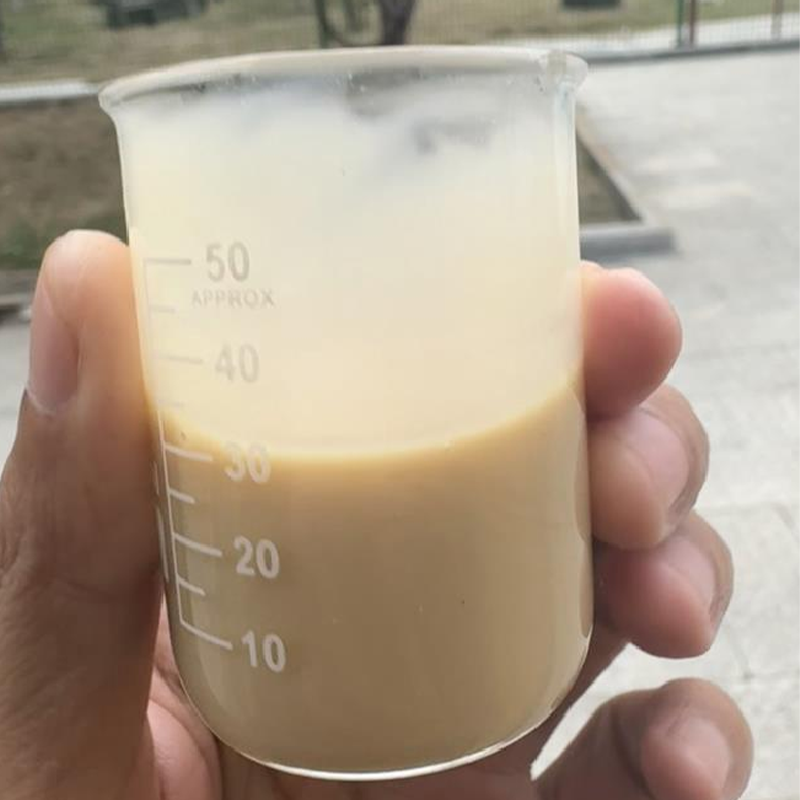
Therapeutic and functional diets present significant hurdles. They often feature exceptionally low fat content or highly hydrolyzed proteins. Some specialized diets include necessary medications. These structural changes drastically drop overall palatability. Poor taste inevitably leads to medical non-compliance. If a sick pet refuses to eat, the therapeutic benefits disappear entirely.
A robust natural pet palatant acts as a powerful masking agent. Essential vitamins, minerals, and functional supplements often carry bitter or metallic off-notes. High-quality flavor solutions neutralize these unpleasant flavors. They actively compete for bitter taste receptors on the tongue. They quickly overpower off-notes with strong, savory umami profiles.
Agricultural raw materials naturally fluctuate. Different seasons and harvests yield varying sensory profiles. These supply chain variations pose a major business risk. Consumers expect their pet's food to smell and taste identical every single time. Proper masking agents smooth out these natural sensory fluctuations across different manufacturing batches. They effectively protect brand consistency and maintain long-term consumer trust.
Testing palatability requires strict, standardized frameworks. You cannot rely on mere guesswork when evaluating product competitiveness. Data must guide every formulation adjustment.
Two primary metrics dominate the testing landscape. You must evaluate both to ensure product success in the market.
First Choice (FC): This metric measures the initial aromatic appeal. It evaluates the pet's immediate decision to approach the bowl. It strictly quantifies the attractive power of the food's scent profile before eating begins.
Intake Ratio (IR): This metric measures the total volume consumed during the test session. It indicates sustained flavor acceptance, mouthfeel approval, and overall digestive comfort.
We must understand the critical difference between equal and identical formulations. An equal Intake Ratio between two test bowls means preference levels are matched. It does not mean the flavor profiles are identical. Pets might equally enjoy a chicken formula and a beef formula. They simply exhibit an equal preference for completely different sensory experiences.
Next-generation assessment tools significantly accelerate pre-market formulation testing. Researchers now integrate non-invasive behavioral tracking into their protocols. They carefully monitor lip licking, tail wagging, and vocalization patterns. Digital tools like the E-nose and E-tongue provide precise chemical breakdowns. These bionic sensors evaluate complex volatile compounds without relying solely on live animal trials, speeding up iteration cycles.
Standard Metric | Primary Sensory Focus | What It Practically Indicates |
|---|---|---|
First Choice (FC) | Olfactory attraction | The initial aromatic draw and speed of approach to the bowl |
Intake Ratio (IR) | Total consumption volume | Sustained palatability, texture acceptance, and flavor endurance |
Proper application dictates success on the production line. Industry standards rely on a specific tiered coating process for dry kibble. Manufacturers typically apply fats or oils first to seal in moisture. Next, they spray a 1% to 3% liquid palatant layer. Finally, they finish the process with a 0.5% to 2% dusting of dry powder. This tiered method creates a deep, multi-layered flavor profile.
However, we must strictly address the digestibility imperative. Increasing consumption is commercially meaningless if the formula has low digestibility. High palatability must pair directly with high-quality, easily absorbed ingredients. Poorly digested food simply passes right through the animal. This causes excessive fecal volume and severe nutrient loss. A great coating cannot fix a fundamentally broken nutritional base.
Procurement teams need strict shortlisting criteria when selecting flavor suppliers. You should evaluate potential manufacturing partners based strictly on the following factors:
Clean-Label Compliance: Ensure all ingredients meet modern consumer expectations for natural, transparent sourcing.
Thermal Stability: Verify the flavor compounds survive the extreme heat and shear forces of extrusion and drying processes.
Species-Specific Efficacy Data: Demand choice-feeding trial results separated distinctly for canine and feline applications.
Selecting the right flavor enhancement technology remains a strategic formulation decision. It successfully bridges the gap between raw nutritional science and actual animal consumption. Even the healthiest diet requires excellent taste to deliver its inherent benefits.
Natural flavor solutions actively mitigate batch variation risks across the supply chain. They drive vital medical compliance for therapeutic diets. Ultimately, they build strong consumer brand loyalty by ensuring consistent, enthusiastic pet feeding behavior.
Formulators should take immediate action to upgrade their product lines. Contact your suppliers and request specific choice-feeding data. Ask for samples tailored to your exact extrusion or gently-cooked manufacturing processes. Testing these components in your facility guarantees market readiness.
A: Liquid palatants are typically applied first over a fat layer. They provide deep, sustained flavor throughout the meal. Dry powders are dusted on the exterior surface. They deliver an immediate, highly volatile aromatic draw known as First Choice. Manufacturers often use them together in a tiered coating process for maximum efficacy.
A: Complete masking depends heavily on the specific compound's natural bitterness. However, high-quality natural hydrolysates and yeast-based flavor enhancers significantly reduce rejection rates. They actively compete for bitter taste receptors on the tongue. They overpower unpleasant off-notes with incredibly strong, savory umami profiles.
A: Because palatants are applied at very low inclusion rates, they do not significantly alter the caloric profile. Typical inclusion rates range from 0.5% to 3%. This strict constraint ensures the base kibble or wet food maintains its intended macronutrient balance. The diet remains completely balanced and nutritionally whole.
A: Environmental factors and owner feeding habits strongly influence acceptance. Adding high-calorie toppers or abrupt diet transitions can cause sudden food refusal. Furthermore, poor storage can easily lead to an oxidized fat coating. Rancid fats will completely ruin the palatability, regardless of the underlying palatant's initial quality.


 phoebe@tdtbio.com
  +86-18972222769
 Haowangzhuang Town, Wucheng County, Dezhou City, Shandong Province, China