

Views: 0 Author: Site Editor Publish Time: 2026-06-12 Origin: Site


Modern pet parents demand premium diets packed with high levels of nutrients. However, this growing trend creates a significant manufacturing conflict. High inclusions of essential trace minerals and plant-based proteins inherently introduce bitter, metallic, or astringent off-notes. This sensory problem carries a heavy business impact. Poor palatability quickly leads to bowl refusal. Customers face high return rates. They eventually defect to other brands, regardless of how nutritionally superior your formula might be. You need a reliable solution to protect your market share.
An engineered off-flavor masking solution bridges the gap between nutritional compliance and animal acceptance. It neutralizes negative tastes without relying on exaggerated labeling. A high-quality Pet Food Flavor Enhancer successfully preserves ingredient integrity while keeping pets coming back to the bowl. You will learn how formulation science transforms harsh functional premixes into highly palatable daily diets.
Functional additives (like zinc, B-vitamins, and iron) cause significant palatability drops that standard aromatic coatings cannot fix alone.
Effective off-flavor masking requires targeted palatants—such as amino acid profiles and Maillard reaction products—that alter retronasal perception rather than just masking surface odors.
Evaluating a pet food flavor enhancer requires balancing high-heat extrusion stability, species-specific preferences, and clean-label consumer demands.
Success in formulation relies on transparent supplier testing (two-bowl protocols) and strict oxidation control over the product's shelf life.
Creating a nutritionally complete diet requires adding concentrated functional premixes. These dense nutritional packets solve dietary deficiencies. However, they also create distinct sensory barriers. Pets possess highly developed olfactory and gustatory systems. They easily detect synthetic additions. You must understand the chemical reality behind these ingredients to formulate successful products.
Specific nutrients generate aggressive taste profiles. Iron, zinc, and copper introduce a strong, astringent mineral flavor. This metallic sharpness repels animals almost instantly. Formulators also struggle with antioxidant and vitamin additions. B-complex vitamins naturally carry medicinal, sulfurous, or intensely bitter notes. These compounds signal toxicity to a pet’s evolutionary brain. They will avoid the food entirely if these notes remain unmasked.
Traditional methods fail to solve this complex problem. Historically, manufacturers simply added higher fat content. They sprayed heavy coats of poultry fat or beef tallow over the kibble. This approach provides baseline calories. It also creates a temporary orthonasal appeal. The food smells acceptable from the outside. However, fat coatings fail to neutralize bitter retronasal compounds. Once the animal chews the kibble, the hidden bitterness releases into the back of the palate. The pet drops the food and refuses to eat further.
The oxidation factor complicates palatability even more. Functional ingredients accelerate lipid oxidation. Unsaturated fatty acids, like omega-3s from fish oil, react violently when paired with trace minerals. This chemical reaction generates volatile aldehydes. Aldehydes produce a rancid smell. Pets naturally reject oxidized foods because their instincts link rancidity to spoiled meat. You cannot fix severe oxidation simply by covering it up. The base formula requires deep stabilization first.
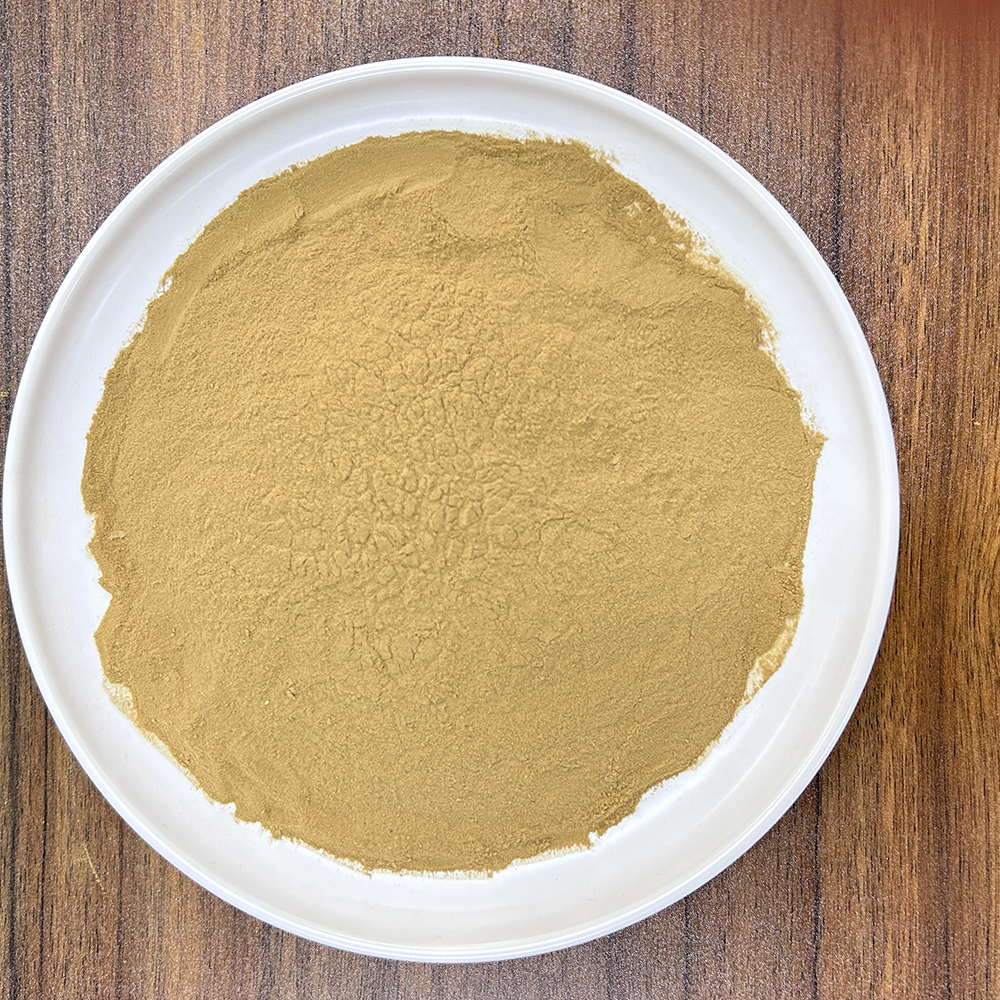
Advanced palatants operate on precise biological mechanics. High-quality masking agents do not just cover up bad smells. They actively alter how an animal perceives the food. This scientific approach relies on receptor blocking rather than aroma overpowering. You achieve better results by changing the taste experience at the neurological level.
Modern enhancers use specific amino acids to manipulate taste receptors. For example, formulators use L-lysine or L-tyrosine to trigger strong umami and sweet receptors in dogs. These positive signals effectively override the bitter signals sent by functional additives. Cats require a different approach. Felines lack sweet receptors. They rely heavily on acidic and protein receptors. Specialized flavor systems target these feline-specific pathways to neutralize bitterness.
The Maillard reaction provides another powerful masking mechanism. Formulators use controlled heat applications alongside reducing sugars and proteins. This precise cooking process creates complex flavor compounds. You generate pyrazines and furans through this method. These compounds naturally mimic the rich aroma of roasted meat. They complement the base formula and seamlessly hide harsh nutritional additives.
Application methods dictate how well these enhancers perform. Manufacturers typically choose between powder and liquid formats. Each option offers unique functional benefits.
Powder Applications: Powders provide excellent uniform kibble coating. They remain highly stable against moisture migration over long shelf lives. Powders effectively mask deep-formula off-notes during the entire chewing process.
Liquid Applications: Liquids and slurries deliver an immediate aromatic flash. They provide crucial orthonasal appeal. This strong initial scent attracts the pet to the bowl immediately.
Dual Applications: Many top-tier brands use both. They apply a liquid coating for initial attraction, followed by a powder dusting for sustained retronasal masking.
Selecting the right palatant involves strict evaluation. You must analyze performance across multiple technical variables. A poorly chosen enhancer ruins production runs and inflates formula costs. Decision-makers must prioritize high-heat stability, biological preferences, and application mechanics.
Thermal and extrusion stability stand as non-negotiable requirements. The enhancer must survive extreme processing conditions. Extruders subject ingredients to intense heat, high pressure, and severe shear forces. Baking processes also apply sustained high temperatures. Inferior flavorings suffer from flavor flash-off. Their aromatic compounds evaporate before the product cools. Your chosen enhancer must retain its full sensory profile after cooling and drying.
Species-specific optimization is equally critical. Dogs and cats experience the world through different sensory lenses. You cannot use a universal approach for both species. The following table illustrates these fundamental biological differences.
Sensory Driver | Dog Preferences | Cat Preferences |
|---|---|---|
Primary Taste Triggers | Umami, meat-based aromas, slight sweetness | Specific amino acids, high-protein profiles |
Texture and Moisture | Driven by moisture content and retronasal release | Highly sensitive to dry, crunchy textures |
Bitterness Sensitivity | Moderate sensitivity; easily masked by sweet/umami | Extreme sensitivity; requires precise acidic masking |
Finally, you must evaluate application mechanics and cost-in-use. Examine the required inclusion rate against the actual masking efficacy. A supplier might offer a very cheap liquid palatant. However, if it requires a 3% inclusion rate to work, your formula costs will skyrocket. Double inclusion rates also risk structural kibble issues. Too much liquid coating makes the kibble greasy and prone to clumping. You should seek highly concentrated enhancers that perform well at 1% to 1.5% inclusion rates.
Modern consumers read ingredient panels thoroughly. They are increasingly educated and highly skeptical. You must navigate this clean label shift carefully. Buyers actively avoid products containing unrecognizable or controversial additives. Acknowledging this industry backlash is the first step toward building brand loyalty.
The "junk ingredient" stigma deeply affects purchasing decisions. Consumers reject heavily oxidized restaurant grease. They criticize heavily processed animal digests. They view these traditional ingredients as cheap fillers rather than nutritional necessities. If your label lists ambiguous animal by-products, educated buyers will quickly put the bag back on the shelf. They demand absolute transparency regarding what their pets consume daily.
Chemical palatants also face intense scrutiny. Artificial flavorings cause immediate consumer distrust. Excessive use of chemical compounds triggers alarms in holistic veterinary circles. For instance, pyrophosphates effectively boost palatability in cat foods. However, many critics argue prolonged exposure might harm feline kidney health. You must balance palatability needs against these growing safety concerns.
Clean label masking offers the safest path forward. The industry is rapidly pivoting toward natural flavor enhancers. You can utilize enzymatically hydrolyzed single-source proteins. Yeast extracts also provide incredible umami notes without chemical names. Natural botanicals serve as excellent masking agents for harsh mineral profiles. These natural ingredients deliver high palatability. They also maintain a transparent, recognizable ingredient panel. Consumers feel confident buying a product filled with ingredients they can actually pronounce.
Formulation theories often look perfect on paper. However, factory realities introduce significant risks. You must validate your product thoroughly before a commercial launch. Skipping crucial testing phases guarantees market failure. Rigorous, bias-free palatability testing ensures your formula actually works in the real world.
Validating efficacy requires controlled feeding trials. You should utilize standardized testing protocols to gather accurate data. Industry professionals rely on two primary methods:
Single-Bowl Test: This method measures absolute acceptability. You offer the functional diet to the pet and measure consumption. It answers a simple question: Will they eat the food at all?
Two-Bowl Test: This paired preference method measures relative desire. You present your diet alongside a control or competitor diet. It proves whether your masking technology actively outperforms market alternatives.
Shelf-life and spoilage control demand equal attention. A premium flavor enhancer cannot rescue a base formula that is spoiling. You must implement concurrent oxidation control. Microbial safety prevents the formation of biogenic amines. Compounds like putrescine act as ultimate flavor killers. If your kibble develops biogenic amines, pets will refuse it instantly, regardless of the surface coating. Clean manufacturing environments are mandatory.
Coating consistency presents the final implementation hurdle. Uneven application ruins batch quality. Poor fat application leads to erratic distribution of powder palatants. Some kibbles receive too much flavor, while others receive none. This inconsistency results in erratic feeding behavior. A pet might devour the first bowl but refuse the second. You must calibrate your coating drums regularly. Proper spray nozzle maintenance ensures every single kibble delivers a uniform taste experience.
Choosing a supplier requires deep operational alignment. You are not just buying a commodity. You are integrating a core technology into your flagship products. Your supplier must function as an extension of your own manufacturing team. Evaluate their capabilities strictly.
R&D alignment is crucial for success. Ensure the supplier possesses deep technical expertise. They must know how to custom-tailor a masking profile specifically for your unique matrix. Off-the-shelf solutions rarely fix complex plant-protein or heavy mineral challenges. Your partner should actively analyze your base kibble. They should design a flavor system that complements your exact nutritional profile.
Supply chain transparency and compliance protect your brand reputation. You must demand strict quality control metrics. Look for verifiable sourcing protocols to avoid heavy metal contaminants. Verify their compliance with major regulatory bodies. They must meet AAFCO guidelines in North America or FEDIAF standards in Europe. A supplier failing regulatory audits puts your entire business at risk.
Actionable next steps help you finalize your decision. You should request several sample batches of their proposed enhancers. Review their historical two-bowl testing data on similar functional diets. This data proves their historical success rate. Finally, conduct a pilot extrusion run in your own facility. Pilot runs verify heat stability and coating mechanics under your specific factory conditions. This chart summarizes the ideal partner evaluation matrix.
Evaluation Area | Key Supplier Capabilities | Red Flags to Avoid |
|---|---|---|
Technical R&D | Custom matrix analysis, two-bowl testing facilities | Only offers generic, off-the-shelf liquid coatings |
Quality Control | Oxidation testing, verifiable ingredient sourcing | Refuses to share microbial safety documentation |
Regulatory Compliance | AAFCO/FEDIAF alignment, clean label natural options | Relies heavily on artificial chemicals and synthetic dyes |
Formulating highly nutritious, functional pet food is only profitable if the animal consistently consumes it. Nutritional superiority means nothing if the bowl remains full. You must balance health benefits with sensory appeal to ensure commercial success.
Investing in scientifically backed off-flavor masking solves the ultimate palatability gap. It empowers you to create potent functional diets without driving pets away. By utilizing natural Maillard precursors and targeted amino acids, you bypass traditional industry pitfalls. You no longer have to rely on excessive fat coatings or artificial chemicals. A well-engineered palatant integrates seamlessly into your manufacturing process.
To move forward successfully, prioritize clean-label ingredients. Partner with suppliers offering robust testing data. Optimize your extrusion and coating mechanics to guarantee consistent batch quality. Implementing these strategies protects brand trust, reduces customer return rates, and secures your position in the competitive premium pet food market.
A: Yes, but it requires a specialized masking agent that blocks bitter receptors, rather than just adding a strong surface aroma. Standard fats fail to hide retronasal bitterness. Advanced amino acids and Maillard reaction products effectively neutralize the metallic notes of iron and zinc. However, formulation adjustments may still be needed for extreme inclusions.
A: Powders are generally superior for sustained, retronasal masking of bitter vitamin profiles during chewing. Liquids excel at providing the initial aromatic attraction to draw the pet to the bowl. Often, a combination strategy utilizing both co-extrusion and dual-coating yields the best sensory results.
A: Yes, modern natural palatants leveraging Maillard reaction precursors are engineered specifically to withstand rigorous thermal processing. They maintain their aromatic integrity despite high heat and shear forces. However, your chosen application methodology, such as vacuum infusion or post-extrusion topical coating, ultimately dictates the final masking efficacy.


 phoebe@tdtbio.com
  +86-18972222769
 Haowangzhuang Town, Wucheng County, Dezhou City, Shandong Province, China