

Views: 0 Author: Site Editor Publish Time: 2026-07-17 Origin: Site


Poor palatant adhesion carries hidden manufacturing costs that silently erode plant profitability. When flavor coatings fail to anchor properly to the extruded base, you get excessive dusting in the bag, inconsistent feeding trial results, and compromised brand trust due to sudden pet refusal. Plant managers constantly face a distinct tension on the production line. You want to maximize throughput through rapid cooling and packaging. However, you must maintain the optimal kibble temperature required for maximum palatant recovery and adherence.
Aligning the thermal dynamics inside the coating drum with the specific physical properties of your chosen Pet Food Palatant is necessary to ensure consistent application. By controlling the temperature delta between the extruded base, the applied fat, and the flavor coating, facilities achieve high yield and verifiable palatability without sacrificing production speed. We need to look at the mechanics of the coating drum and the thermal state of the kibble.
Temperature Dictates Fat Viscosity: Kibble temperature directly influences the behavior of the fat pre-coat, which acts as the primary binding agent for dry palatants; incorrect temperatures lead to pooling or over-absorption.
Porosity and Gelatinization Matter: The structural integrity, shape, and surface area of the kibble at specific temperatures determine how effectively a pet food palatant anchors to the exterior versus masking internal porosity.
Format Selection is Environment-Dependent: The choice between liquid and powder formats must account for the facility's cooling capabilities and ambient temperature controls.
Yield Equals ROI: Optimizing the temperature delta between kibble, fat, and palatant significantly increases palatant recovery rates, directly impacting the bottom line and reducing packaging line maintenance.
Establishing a baseline for success requires defining optimal adhesion metrics on the factory floor. Facility managers focus heavily on the Palatant Recovery Rate (PRR), the coefficient of variation (CV) in coating uniformity, and the measurable reduction of fines or dust in the finished product packaging. High PRR indicates that the applied flavor compounds are successfully transferring from the drum to the kibble surface rather than escaping into the dust collection system. When PRR drops, you are essentially blowing expensive ingredients into the baghouse.
Thermodynamics within the coating drum govern this transfer. Heat exchange occurs continuously between the freshly extruded kibble, the applied fat or oil, and the ambient air inside the equipment. If the thermal energy is unbalanced, the fat will not reach the correct viscosity to act as an effective binder. Conduction transfers heat from the kibble to the fat, while convection removes heat via the airflow through the drum. Managing these two forces dictates the success of the coating application.
The physical structure of the extruded base plays a critical role in adhesion mechanics. The degree of starch gelatinization achieved during extrusion dictates the resulting surface texture and internal porosity. Highly expanded kibbles feature more open pores. These open structures interact differently with applied coatings compared to dense, tightly structured shapes. If the bulk density is too low, the kibble acts like a sponge, pulling the fat away from the surface.
Kibble geometry alters how temperature distributes across the surface. Complex shapes, such as stars or crosses, cool at different rates than simple rounds or ovals. The thin edges of a star shape cool rapidly, while the dense center retains heat. These varied cooling rates directly affect fat crystallization and subsequent palatant binding. Furthermore, coatings serve a dual mechanical role. They physically obstruct open pores to prevent oxygen ingress, thereby delaying rancidity and staleness. Strategically, an even coat also masks undesirable off-notes, such as oxidized lipid flavors or strong liver profiles inherent to certain base formulations.
To optimize this, operators must monitor the bulk density exiting the dryer. Variations in moisture content before the coating drum will shift the thermal profile. A wetter kibble retains more latent heat, altering how the fat spreads. We use specific retention times in the drum, controlled by weir plates and flight design, to ensure the kibble bed turns over enough times to distribute the fat evenly before the powder drops.
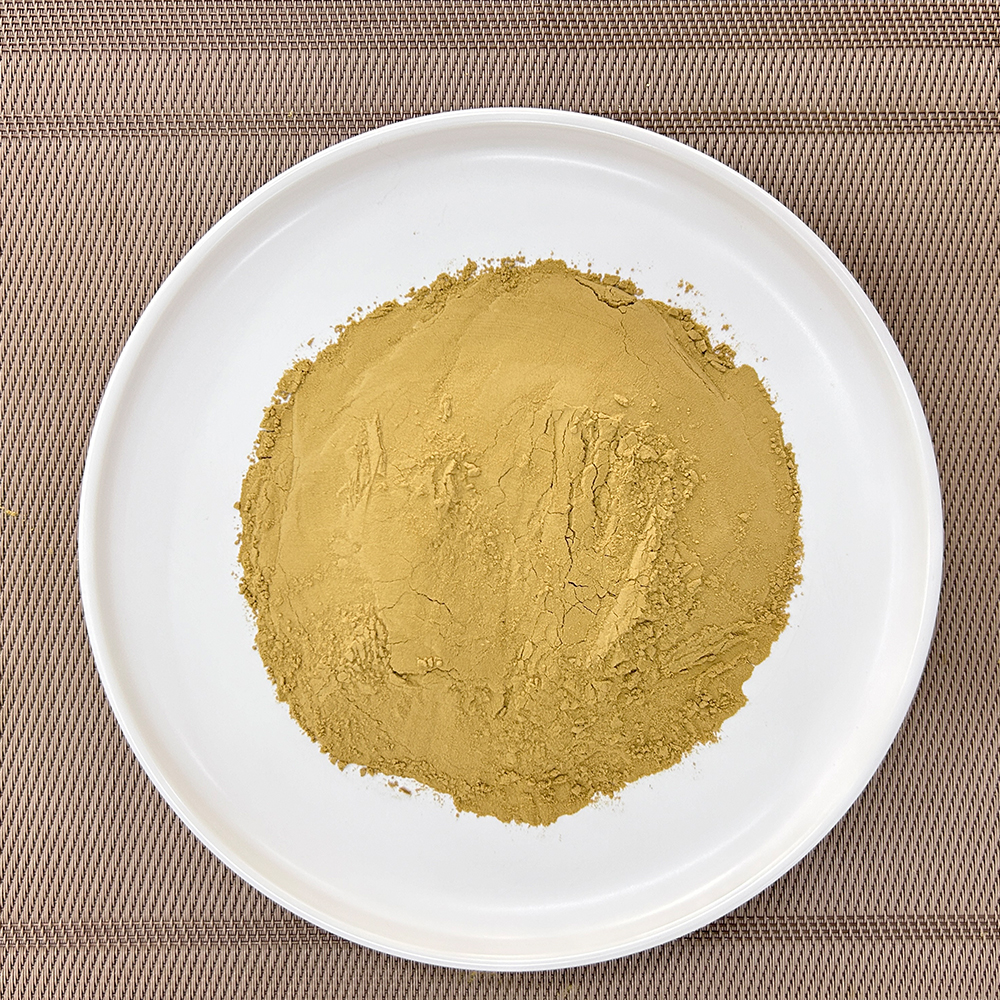
Applying fats and dry flavorings to high-temperature kibble immediately after the drying phase presents distinct mechanical challenges. When the base product is too hot, typically above 50°C, the applied fat remains highly fluid. This low viscosity allows the lipid to absorb too deeply into the kibble matrix. Consequently, insufficient surface lipid remains to properly bind the dry powder. The fat wicks into the center of the pellet, leaving a dry exterior.
The physical consequence of this over-absorption is severe. The flavor coating becomes trapped below the exterior surface, rendering it inaccessible to the pet’s sensitive olfactory receptors and taste buds upon initial contact. Additionally, exposing delicate flavor compounds to excessive heat risks volatilization and thermal degradation. The aromatic top notes flash off into the exhaust system, stripping the product of its intended aromatic profile. You end up with a product that smells bland to the animal, despite applying the correct dosage.
Many facilities implement delayed dry coating on room-temperature, fat-precoated kibbles due to spatial or equipment constraints. Cooler temperatures fundamentally change the coating environment by increasing fat viscosity. Thick, semi-solid fats struggle to distribute evenly across the kibble surface. This causes uneven clumping, poor powder attachment, or "snowballing" of the dry material rather than forming an even, micro-thin coat. The powder sticks to itself rather than the kibble.
Industry studies highlight the risks associated with this delay. Delayed coating on room-temperature pre-coated kibble directly impacts the Palatant Recovery Rate. When the fat lacks the necessary tackiness, the powder fails to adhere. This leads to lower final feeding trial palatability results and higher product waste. The friction of the conveying system easily knocks the poorly adhered powder off the cold fat layer.
Temperature differentials drive condensation within the coating system. When warm kibble meets cool ambient air or cold liquid applications, moisture forms on the equipment walls. This condensation leads to moisture-induced sticking, severe equipment fouling, and elevated microbial risks. The dew point inside the drum must be managed through proper exhaust ventilation.
Premature moisture introduction disrupts the entire adhesion process. High humidity or water ingress prior to fat coating causes dry powders to prematurely hydrate. Instead of anchoring to the lipid-coated kibble, the hydrated powder sticks stubbornly to the drum flights and walls, drastically reducing yield. Operators must frequently shut down the line to scrape the drum, causing massive downtime.
Selecting the right format requires evaluating the thermal stability and adhesion requirements of the specific product. A powder cat food palatant relies heavily on the surface tackiness provided by the fat layer. If the fat is too cold, the powder bounces off. Conversely, a liquid cat food palatant can act as a high-tack primer or tackifier for subsequent powder applications. Temperature heavily impacts the liquid's spray pattern, droplet size, and surface retention. Cold liquids atomize poorly, resulting in large droplets that create uneven flavor distribution. We use air-atomizing nozzles to ensure a fine mist, but these require the liquid to be at the correct temperature to maintain low viscosity.
Applying a liquid dog food palatant onto cooler kibbles presents specific viscosity challenges. As the liquid hits the cool surface, it thickens rapidly, resisting uniform spreading. To maintain optimal application temperatures, facilities must invest in specific equipment requirements. This includes specialized nozzle types, jacketed holding tanks, and heated spray lines, ensuring the liquid remains fluid enough to achieve a homogenous coat. If the lines drop below the target temperature, the liquid congeals, blocking the nozzles and causing uneven application.
Dry extrusion coating challenges differ significantly from those found in wet food systems. Thermal processing profiles in wet applications directly affect palatability. A lower-temperature, longer-cook thermal profile preserves delicate flavors and prevents the degradation of a wet food liquid palatant. In contrast, rapid, high-temperature retort processes risk destroying the volatile aromatic compounds essential for meal attractiveness. The thermal mass of the can or pouch dictates how the flavor compounds react during the sterilization phase.
Operational trade-offs constantly challenge production managers. Speeding up the cooling process increases tons-per-hour output but often sacrifices the adequate dwell time required for optimal fat-palatant binding. Balancing throughput with sufficient mixing time is essential for maximizing PRR. If you push the tonnage too high, the kibble bed depth in the drum increases, reducing the exposure of individual pellets to the spray zone.
Coating Variable | Hot Kibble Application (>50°C) | Ambient/Delayed Application (<25°C) |
|---|---|---|
Fat Viscosity | Highly fluid; risk of deep absorption into the core. | Thick/solid; risk of clumping and uneven spread. |
Powder Adhesion | Poor if surface fat is depleted by wicking. | Poor due to lack of surface tackiness and hard fat. |
Flavor Volatilization | High risk of thermal degradation and flashing. | Low risk, flavor profile preserved. |
Equipment Fouling | Moderate, depending on condensation and exhaust. | High risk of "snowballing" and wall buildup. |
The choice of lipid interacts heavily with kibble temperature. Matching the fat's melting point (titer) to the target coating temperature drives adhesion success. Fats with higher melting points, like beef tallow, require warmer kibble to remain tacky. Lower melting point oils, like certain vegetable oils or poultry fat, can accommodate slightly cooler bases. Furthermore, deciding between sequential versus simultaneous application of liquids and powders depends entirely on these thermal dynamics. Sequential application generally yields better results when precise temperature control allows the liquid to prime the surface before the powder is introduced.
Verify the fat titer matches the target kibble temperature exiting the cooler.
Adjust the weir plates in the drum to increase retention time if coating uniformity is low.
Check the air pressure on atomizing nozzles to ensure proper droplet size for the liquid viscosity.
Monitor the exhaust air temperature from the drum to detect sudden shifts in thermal mass.
Upgrading existing facilities to handle tight temperature tolerances involves significant engineering realities. Adding temperature-controlled fat tanks, installing heated spray lines, or modifying cooling conveyors requires careful planning to avoid disrupting current production schedules. Scalability depends on the existing footprint and the capacity of the plant's boiler and chilling systems. Running heat trace lines along the liquid delivery pipes is a common retrofit, but it requires proper insulation to prevent cold spots.
Incorrect temperature, poor moisture timing, or fat viscosity mismatches inevitably cause buildup on drum walls. Actionable mitigation strategies include adjusting the spray nozzle angles to target the tumbling kibble bed rather than the bare metal. Installing mechanical scrapers or UHMW (Ultra-High Molecular Weight) polyethylene liners reduces sticking. Strictly controlling the ambient humidity within the coating zone prevents the powder from hydrating before it hits the fat layer.
Maintaining high adhesion rates requires rigorous QA procedures. Standardizing temperature checks at the drum inlet ensures the kibble is ready for coating. Operators must continuously measure fat application rates using mass flow meters to prevent over- or under-dosing. Conducting routine palatant recovery audits provides the data necessary to fine-tune the thermal parameters and validate the efficiency of the coating process. We pull samples directly after the drum and again after the packaging bin to measure the friction loss.
Initiate a baseline audit of current coating drum temperatures and ambient humidity levels using infrared thermometers and hygrometers.
Calculate existing palatant recovery rates by comparing the theoretical application weight against the actual retained weight on the finished product.
Schedule a consultation with a technical palatability specialist to review fat melting points and adjust application sequencing.
Calibrate spray nozzles and verify the functionality of heat trace lines to ensure consistent liquid viscosity throughout the delivery system.
A: The ideal temperature typically ranges between 35°C and 45°C (95°F - 113°F), though it depends heavily on the specific fat's melting point. This range balances the need to keep the fat fluid enough to coat the surface evenly while preventing it from absorbing too deeply into the kibble matrix.
A: Cooling increases fat viscosity, causing it to solidify. This loss of surface tackiness drastically reduces dry powder adhesion. Industry studies show this delay leads to poor palatant recovery rates, excessive dusting in the bag, and ultimately lower palatability scores during feeding trials.
A: Yes. In a sequential coating process, applying a liquid palatant first acts as a high-tack primer. The liquid increases the surface moisture and tackiness of the fat-coated kibble, creating an ideal binding layer that captures and holds the subsequently applied dry powder.
A: Excess dust is a direct symptom of poor adhesion. This usually correlates with incorrect kibble temperatures, mismatched fat melting points, or insufficient mixing time. When the powder fails to bind securely to the lipid layer, friction during conveying and packaging knocks it loose.
A: While wet food processing does not involve dry kibble coating dynamics, thermal degradation is a shared risk. In wet applications, a lower-temperature, longer-cook retort profile is favored because it preserves delicate volatile flavor compounds that rapid, high-heat processing might otherwise destroy.
A: Adhesion is measured using the Palatant Recovery Rate (PRR). This involves analyzing a sample of the finished coated kibble to determine the actual percentage of palatant present versus the theoretical amount applied. Visual inspections and coefficient of variation (CV) testing also verify coating uniformity.


 phoebe@tdtbio.com
  +86-18972222769
 Haowangzhuang Town, Wucheng County, Dezhou City, Shandong Province, China