

Views: 0 Author: Site Editor Publish Time: 2026-05-31 Origin: Site


Securing initial high consumption rates during early feeding trials is just the first hurdle. Maintaining that peak performance across an 18-month shelf life demands strict formulation discipline. You simply cannot afford to alienate the pet owner along the way. Unstable palatants inevitably lead to fat oxidation, fluctuating intake ratios, and costly product returns. A premium Pet Food Palatant must perfectly bridge the gap between biological craving and chemical stability. Finding this balance prevents waste and protects your brand reputation. This article equips pet food formulators and manufacturers with a robust scientific framework. We will explore how to thoroughly evaluate flavor methods for maximum commercial impact. You will learn how to select the right components based on the base food matrix. Finally, we will outline actionable steps to ensure long-term flavor stability in your commercial production.
Effective palatability requires satisfying the pet’s retronasal olfaction (taste/smell) while passing the owner's orthonasal olfaction (scent acceptance).
Liquid and dry palatants serve sequential roles: liquids drive the "First Approach" aroma, while dry powders sustain the "Intake Ratio" (IR).
Flavor stability is heavily matrix-dependent; a palatant that excels in extruded dry kibble may degrade entirely under wet food thermal processing.
Scientific evaluation has moved beyond simple consumption to measuring emotional palatability and exact coating uniformity.
Formulators face a unique sensory dilemma every day. They must satisfy two entirely different audiences simultaneously. The biological triggers appealing to dogs and cats often disgust human buyers. Animals naturally crave organ meats, aged animal fats, and strong protein notes. However, you must carefully balance these intense biological triggers against the sensory boundaries of the purchaser.
Human buyers rely on orthonasal olfaction. They smell the food directly from the newly opened bag. If the scent feels overly pungent or slightly rancid, they will likely refuse to serve it. Pets rely heavily on retronasal olfaction. They process the aroma inside their mouth as they chew. A successful formulation satisfies both pathways. Research shows a massive correlation between owner scent-acceptance and predicted pet preference. If the owner hates the smell, your product will fail.
Once you nail the initial flavor profile, you must protect it from environmental degradation. Several invisible forces constantly threaten shelf-life performance.
Oxidation: This remains the silent degrader of premium pet diets. Fat molecules break down over time upon oxygen exposure. This chemical reaction produces volatile aldehydes. These aldehydes create rancid off-notes. Dogs possess highly sensitive olfactory receptors. They detect these rancid notes long before humans do, which drastically reduces consumption.
Microbial Spoilage: Bacterial breakdown acts as an absolute flavor killer. When microbes break down proteins, they produce biogenic amines like putrescine and cadaverine. These compounds destroy palatability instantly. Notably, this sensory rejection happens well before microbial counts breach legal safety thresholds.
A viable palatant strategy requires comprehensive protection. You cannot just spray on a flavor and hope it lasts. Your formulation must include built-in or synergistic antioxidant protocols. These antioxidants act as a shield. They preserve the core flavor profile from the factory floor all the way to the feeding bowl.
Animal digests remain the undisputed industry standard for palatability. Manufacturers create them through targeted enzymatic hydrolysis of proteins and fats. This process breaks complex molecules into free amino acids and small bioactive peptides. These smaller components heavily drive Maillard reactions during thermal processing. The heat transforms them into rich, savory compounds.
This category offers distinct dual benefits. You achieve exceptional taste enhancement alongside noticeably higher nutrient digestibility. Pets digest these smaller peptide chains much easier than intact raw proteins.
Yeast extracts provide essential tools for modern clean-label or functional formulas. They naturally contain high levels of glutamic acid and specific nucleotides. These compounds act together to significantly boost umami flavors. More importantly, yeast extracts provide a phenomenon known as "flavor masking."
Formulators often struggle to hide bitter notes from functional ingredients. Yeast extracts safely mask these unpleasant flavors. They also reduce the formula's dependency on excess sodium and fat. You can create a healthier product without compromising the overall taste experience.
Formulators must strictly avoid one-size-fits-all adoption strategies. A palatant's performance highly depends on the surrounding food matrix. Thermodynamic conditions dictate success or failure.
Consider the synergy between specific yeast palatants and sodium pyrophosphate. This combination shows immense synergistic performance when applied to extruded dry kibble. However, if you apply this exact same blend to a high-moisture wet food, it often fails entirely. The intense thermal processing and elevated moisture levels destroy the delicate flavor compounds. You must test every palatant within its specific physical environment.
Palatant Category | Primary Mechanism | Best Suited Application | Key Formulation Benefit |
|---|---|---|---|
Animal Digests (Hydrolysates) | Enzymatic breakdown yielding free amino acids. | Extruded kibble, premium dry diets. | Strong Maillard browning, high digestibility. |
Yeast Extracts | Umami synergism via nucleotides and glutamic acid. | Clean-label diets, low-sodium functional foods. | Excellent flavor masking for bitter functional ingredients. |
Amino Acid Blends | Targeted specific taste receptor activation. | Hypoallergenic or limited-ingredient diets. | Precise flavor tuning without animal protein allergens. |
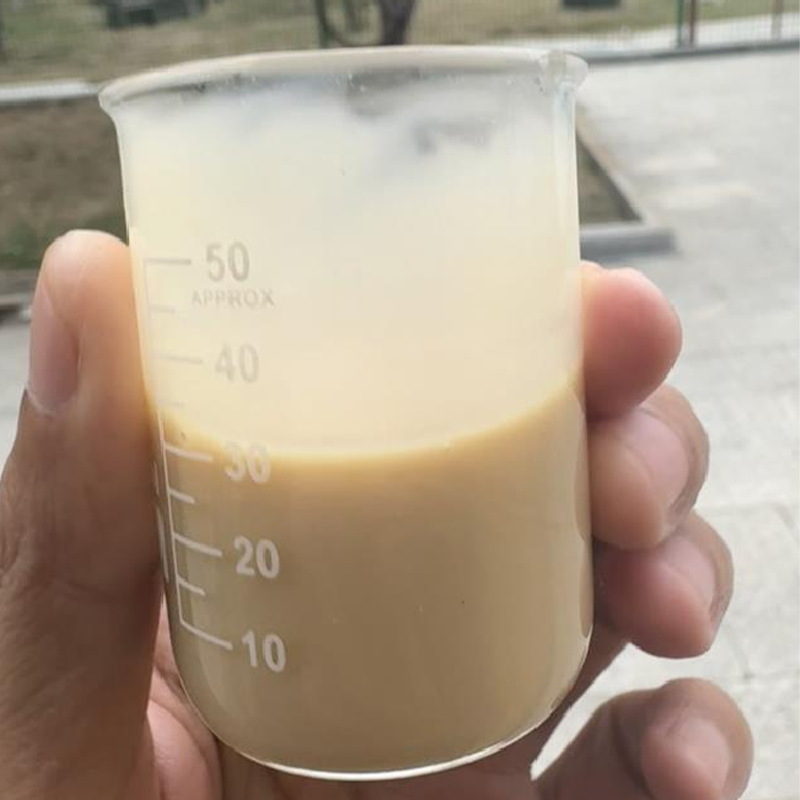
The sequence of palatant application severely impacts final product performance. Proper enrobing mechanics require a strict multi-stage approach. Liquid and dry elements play entirely different psychological roles for the animal.
Manufacturers should apply liquid digests first. The fat content in the liquid coating binds aggressively to the porous kibble surface. This liquid layer provides the immediate, volatile aroma. It drives the pet's "First Choice" decision. Once the liquid settles, you must follow up quickly with dry powder coatings. The powders adhere to the tacky liquid surface. They lock in sustained flavor and provide a highly satisfying granular texture.
Even the best palatant fails if applied incorrectly. Poorly calibrated sprayers represent a massive operational risk. Clogged nozzles lead to severely uneven palatant distribution across a kibble batch. Some kibbles become overloaded with flavor, while others remain completely bare. This inconsistency causes massive batch-to-batch intake variance. Pets will eagerly eat one bag but refuse the identical product bought a month later.
Mechanical energy plays a surprising role in taste perception. Let us compare extrusion versus static baking. Extruded kibble expands rapidly under high pressure and steam. This violent process creates distinct cellular crispness and unique structural cohesion.
The porous nature of extruded food interacts uniquely with applied fats and topical palatants. The liquids seep into the micropores, protecting the flavor from rapid ambient oxidation. Baked formats lack this high-expansion cellular structure. They typically feature a denser, flatter surface. Palatants sit awkwardly on top of baked diets. You must adjust your application rates and viscosity parameters accordingly.
You cannot measure modern palatability simply by checking if the bowl is empty. Formulators must demand precise, rigorous, industry-standard metrics from their palatant suppliers. These metrics isolate different stages of the eating experience.
Intake Ratio (IR): This measures the volume of specific food consumed versus the total food offered in a two-pan test. It represents sustained dietary satisfaction.
Consumption Ratio (CR): This provides a direct mathematical A versus B comparison. It reveals the exact magnitude of preference between two competing diets.
First Choice (FC) & First Approach: These metrics track immediate behavioral indicators. They reveal the sheer power of the initial aroma appeal before the pet even takes a bite.
We must clarify a common research and development misconception. Two formulas can easily achieve an equal Intake Ratio of 0.5. Many formulators mistakenly assume this means the products taste identical. They do not. Equal preference absolutely does not mean identical formulations.
Consider human food. You might enjoy a slice of pizza and a beef burrito equally. Your preference ratio is fifty-fifty. However, the flavor profiles remain completely distinct. Pets experience the exact same phenomenon. You must look beyond the macro ratio to understand the true sensory profile.
The industry standard evaluation lens has shifted dramatically. Formulators now assess much more than just bowl-emptying speed. We now measure emotional palatability. This concept evaluates pet behavioral satisfaction during and after the meal.
Researchers track a specific happiness index. They look for eager tail wagging, prolonged lip licking, and lingering around the bowl after finishing. These positive behavioral cues serve as a direct proxy for owner repurchase intent. When owners see their pets visibly happy, they remain deeply loyal to your brand.
When auditing a new vendor, buyers should look far beyond the basic price sheet. A comprehensive assessment prevents massive manufacturing headaches later.
Label Claims: Ensure the ingredient strictly aligns with natural or clean-label market trends. Today's consumers scrutinize every chemical-sounding name on the back of the bag.
Functional Add-ons: Determine if the hydrolysate offers bioactive peptides. Premium solutions provide better overall nutrient absorption alongside excellent taste enhancement.
Never ignore the ambient storage conditions of the palatant itself prior to application. Many facilities leave liquid fat totes sitting in hot warehouses for weeks. This introduces pre-oxidized, rancid fats directly into a freshly extruded kibble batch. You will ruin perfectly good base kibble by spraying degraded flavorings onto it. Strict temperature control in the storage warehouse is non-negotiable.
We strongly advise manufacturers to conduct small-scale, two-pan testing immediately. You must test the new palatant using your specific base matrix. Do not rely entirely on the vendor's generic data sheets. Validate the chemical synergies internally before committing to full-scale, costly production runs.
Securing long-term flavor performance requires much more than simply adding meat aromas. Formulators achieve true stability through rigorous matrix-matching, highly controlled enrobing techniques, and aggressive oxidation management protocols. You must balance the biological desires of the animal with the sensory expectations of the human buyer.
Ultimately, successful flavor optimization protects your company's bottom line. It drastically reduces costly product refusals and minimizes damaging consumer complaints. We encourage all formulation teams to thoroughly audit their current palatant application protocols today. Reach out and request updated, matrix-specific compatibility data directly from your suppliers.
A: Manufacturers measure stability through routine two-pan testing against a frozen control batch. You should schedule these tests at specific 3, 6, and 12-month intervals. Furthermore, sensory testing must always run alongside strict chemical peroxide value testing. This dual approach accurately tracks both behavioral rejection and underlying lipid oxidation over the product's shelf life.
A: Liquid and dry formats serve sequential, complementary roles. Liquids primarily drive the initial aroma release and strongly boost First Approach metrics. Conversely, dry powders adhere to the liquid layer to provide sustained taste enhancement. The powder format also adds a satisfying physical coating texture that heavily influences the final Intake Ratio.
A: Cats exhibit extreme sensitivity to kibble shape, texture, and specific free amino acids. They are notoriously strict texture-eaters. Dogs, however, respond much more heavily to overall fat content. Dogs also react strongly to retronasal olfaction triggers like rich meat broths. A formula optimized for a dog’s olfactory receptors will often lack the precise textural crunch a cat demands.


 phoebe@tdtbio.com
  +86-18972222769
 Haowangzhuang Town, Wucheng County, Dezhou City, Shandong Province, China